
What do trampolines, braille and fairy lights have in common? They were invented by children!
The 17th of January is Kid Inventors Day, so we thought this would be the perfect time to tell you a little bit about it, and why it is a valuable occasion to celebrate with your kids.
Kid Inventors’ Day is a day to acknowledge the contribution and accomplishments of child inventors and celebrate the ingenuity and value of our youngest creators.
It is celebrated on the 17th of January and commemorates the earliest known kid inventor Benjamin Franklin’s birthday, in honour of his invention of the first swim fins/ flippers almost 300 years ago, when he was 12 years old.
Kid Inventors’ Day is a brilliant way to start a dialogue with your child about the incredible things kids have accomplished, and the unique value they add to our society. It is important to recognise kids’ contributions and encourage their creativity through conversations like these to inspire them to think outside the box.
Many children and adults alike have no idea that children are responsible for the invention of things we use in everyday life, like earmuffs and ice blocks, and it can be exciting and confidence-boosting for children to learn that kids just like them have created some incredible things.
Celebrating Kid Inventors’ Day is all about bringing out your child’s creativity by supporting their inventions and designs, so you can absolutely let them lead the way. Some children will come up with hundreds of ideas on their own, some will just need the resources to be provided and others will require more structured activities to engage with their innovative side.
Here are some of our Choklits-approved suggestions for activities you can do with your child to encourage them to invent and innovate.
Collect paper towel rolls, dominoes, cardboard boxes, tunnels or flat panels to create ramps and channels for a ball to roll through. You can adjust this activity to be age appropriate with the size of the ball (larger for younger children and smaller for those who are older) and the level of assistance you provide in making the course.
You can make an insect hotel free-form in a spot in the garden, or in a box or container with ventilation holes, depending on what suits your situation. Collect materials like sticks, branches, leaves and bark to create a cosy home for insects to enjoy. To attract critters like lady beetles and bees, try placing a shallow dish of sugar water (a jar lid works perfectly for this) in or beside your hotel and wait for the bugs to come!
This one is more suited to slightly older kids, kindy age and up, as it requires more advanced thinking skills. They can design a new game board for a game they already love, or create an entirely new game with their own rules for play. The opportunities are endless, and all they need is paper and pens!
Encourage your child to use items in and around your home to create an obstacle course inside or outside. You can prompt them to think divergently and encourage them to problem solve by posing questions like “can you get to the other side without touching the floor?” or “can you do it on your tip toes?”.
Play dough is a tried and true favourite of children, and you can reinvent it to be like new by adding extra materials, like beads and paddle pop sticks to open a whole new world of possibilities for creations.
Putting together an inventors box is simple; all you have to do is find items around the house – paper towel/ toilet paper rolls, scrap paper, egg cartons, boxes, buttons, ribbons, paints, glue, sticky tape and then give your child free reign to create whatever their heart desires. You’ll be amazed at what they come up with!
Kid Inventors’ Day is all about trying new things and having fun! We’d love to hear from you and your little ones about what they’ve invented recently; tell us about your creations when we see you next at Choklits Child Care Centre.
Routines are beneficial to all human beings, as they help us to manage the continual flow of decisions we face each day and provide predictability, which is precisely what makes them so valuable for young children. For children and toddlers, change, transitions and uncertainty can be difficult to process and cause stress. Routines combat this as they provide children with comfort and stability; key ingredients for learning, play and happiness.
The core focus of routine is to organise and structure, which allows jobs to get done efficiently, for children, allowing time for play. With this organisation comes a sense of safety and sureness which is crucial for children’s wellbeing. Safe and secure environments foster growth, development and learning, thus routines are a key part of kindergarten. This blog will cover what routine is, how it relates to early childhood learning and why routine is important for children and parents.
Routine is a series of actions, processes or tasks that are followed in a consistent order. They are set of instructions that become recurrent throughout daily life and, when implemented regularly, elements of the routine can become seamlessly integrated into the day. Routines at home may look like reading a story before bedtime or cleaning their teeth after breakfast. Here at Choklits, some routines we implement are our arrival procedure, which involves signing in, putting bags away and then moving to your child’s designated area, putting plates away after mealtimes and putting hats on before going outside.
Babies, toddlers and children are experiencing massive changes in their brains as they learn and grow at an incredible rate. To put this in perspective, at birth, a baby’s brain is about a quarter of the size of an adult’s, and in their first year of life alone it will double in size. By the time they are three years old, their brain will have reached 80% of it’s adult size and will be almost fully grown (90%) by five years of age. They are processing new information constantly and developing at a rapid pace, which is why early childhood learning is so crucial.
Routines have two key roles in supporting children’s early learning; firstly, routines provide predictability, creating a safe space which promotes learning, and secondly, through direct engagement with routines, children learn about structure and order.
Children learn about how daily life and tasks are organised through their observation of and participation in them, and they have a chance to copy and practice these mechanisms repeatedly when following routines, reinforcing valuable learning. Furthermore, the familiarity that goes hand in hand with a regular routines provides security, maximising a child’s ability to learn, as when stress is reduced, more capacity is available for learning.
There are a multitude of benefits associated with the regular use of routine for children, including the development of trust. Here at Choklits, we use routine to promote trust-based relationships between children and educators. With routine, children feel safer and find reassurance in their daily schedule that is implemented by our caring educators. This helps to develop trust, as our educators provide consistent care and accommodations relevant to the needs of each child. This establishment of trust through dependability creates a comfortable environment and gives children the confidence to explore and learn new things.
Another benefit of routine is that they set consistent and easily comprehendible expectations for children. As these expectations are reliable, each day children become more familiar with them and therefore tasks are more easily achieved. Children attain a sense of accomplishment and feel in control when they are able to do things independently, and regular association of tasks with a routine increases the likelihood of success.
In addition, routines are especially important during times of stress or change as they provide consistency, allowing children to have something familiar and steady to rely on. When big or small changes occur, such as transitioning from kindergarten to primary school or a change in family dynamics like a new sibling, routines keep some tasks or aspects of daily life the same, providing predictability. Therefore, routines can reduce children’s stress and help provide a sense of safety, especially in times of change.
Routines can lower parents’ stress, particularly during busy times, as they reduce the brain power that must be devoted to decision making, allowing a greater availability of ‘brain space’ for other activities. For example, if Tuesday is taco night, you won’t need to think about what’s for dinner. Routines make more time available for fun or enjoyable activities, as they increase efficiency, which can make daily chores run smoothly, thus allowing more time to be spent having fun.
Routines are a staple in school and learning environments such as kindergarten, but are also incredibly beneficial for families at home. Routines are simple in nature, so executing them does not have to be difficult. Starting a new routine could be as simple as getting your child to take their plate to the dishwasher after a meal, which is not only helpful for you, but is also instilling a lifelong healthy habit and giving them a sense of agency and independence. It’s important to remember that implementing routines requires consistency to ensure they become a regular part of daily life, and that your child isn’t necessarily going to remember or ‘get it right’ on the first or even twentieth try. The key idea is that you continue to model and support them consistently to aid their understanding.
Here at Choklits, we seek to provide the best possible environment to nurture and support the development and learning of our children. Incorporating routines in our nursery, toddler and kindergarten programs is just one of the many tools we use to achieve this as routine is important for children to have a dependable and happy space. Daily routines not only assist with the efficiency of the day, but also ensure the individual comfort and security of each child by establishing a well organised and reliable environment to foster learning.
It is a great time to take advantage of the good weather and get out and about to enjoy some fun summer activities for kids in Melbourne. When you have a day to spend with the kids, sometimes it can be difficult to decide what to do, so we have compiled a list of some of our favourite activities to take a look at this summer.
Werribee Open Range Safari Zoo is only 30 minutes from the Melbourne CBD, making it easily accessible for families. You’ll see monkeys, lions, gorillas, cheetahs, giraffes, zebras, rhinos and more, as well as our favourite Australian animals like koalas, emus and kangaroos.
What makes this location particularly perfect for a hot summer’s day is the hippo splash water park, a fun water play area for kids, complete with sand. Even better, during the school holidays, children’s tickets are free (adults are $36).
Werribee Zoo – K Rd, Werribee South VIC 3030
Open daily 9am-5pm (kids entry is free on weekends, Victorian school holidays and Victorian public holidays)
The National Gallery of Victoria is a great activity for children, especially on those days when it is too hot or rainy to be outside. The fountains out the front are lots of fun, as is the waterfall by the front door. The children’s gallery is very easy access with ample space for prams.
During the school holidays, from the 15th to the 23rd of January 2022, the NGV Kids Summer Festival is on, with nine days of free activities for children and families, including artist-led workshops and performances.
While you’re there, don’t miss The Gecko and the Mermaid: Djerrkŋu Yunupiŋu and her Sister exhibit, which introduces two significant contemporary Yolŋu artists from Northeast Arnhem Land to young visitors. The award-winning artists share their culture, stories and language through art and hands-on activities, on display from the 17th of December 2021 to the 25th of April 2022.
National Gallery of Victoria – 180 St Kilda Rd, Melbourne
Open daily 10am-5pm
The St Kilda Breakwater is home to a colony of approximately 1200 Little Penguins, and they are seriously cute! Just before dusk, you can watch the penguins swimming in at the end of the day and climbing the breakwater to pop back into their nests. There are also volunteers available to answer any questions curious young minds might have. To see them, head to St Kilda Pier and at the breakwater, walk along the gravel and then down the wooden stairs. Remember to bring a jumper as it gets chilly by the water once the sun goes down.
St Kilda Breakwater
Just before dusk
ArtVo is an immersive art gallery called a ‘trick-art’ gallery and is the first of its kind in Australia. It is perfect for kids, because unlike traditional art galleries, visitors are actively encouraged to interact with the artworks, and are welcome to explore them through touch. Part of the concept is that people are able to become part of the artwork, and take fun photographs and videos of themselves in the elaborate scenes. ArtVo is home to 11 different themed zones which house interactive 3D artworks painted directly onto the floors and walls of the room. You’ll come home with hilarious photos of your children you’ll treasure for a lifetime and wonderful memories of fun. For children under four, entry is free!
ArtVo – 26 Star Cres, Level 1, The District, Docklands
Open daily 10am-6pm
In the Pauline Gandel Children’s Quarter at the State Library Victoria, there are fun fitness-themed playdate sessions held every Wednesday morning. These free interactive classes are run by the bubbly Happy Feet Fitness instructors and are suitable for children aged 3-5 years. Come along for some active fun, designed to encourage kid’s social interaction, participation and growth.
State Library Victoria – 328 Swanston St, Melbourne
Wednesdays, from the 19th of January – 2nd of March 2022
We hope you’ve enjoyed our list of fun summer activities for kids in Melbourne! Rain or shine, there should be something here to suit your family and we’d love to hear about your experience if you do check them out!
December and January are an exciting and joy-filled time for many of us, when we look forward to celebrating and spending time with family, loved ones and friends. However, during this time, emotions are often running high (not necessarily in a bad way) and children will be faced with many unfamiliar sights, sounds, smells, situations and people, which can be a recipe for stress. All this new information they are processing can be overwhelming and can lead to overstimulation when there are too many sights, sounds and people for a child to handle.
As parents, we naturally want to share our joy with our children, and make the holiday season as wonderful a time for them as it is for us, so it’s pertinent to remember that little brains don’t understand and respond to situations in the same way we do. Keep reading for information about how to recognise when your child is overstimulated and the Choklits team’s top tips for managing overstimulation to make these months an enjoyable time for parents and children alike!
The simplest way to manage overstimulation in children, or people of any age for that matter, is to change the environment. This will look different depending on the situation and location, but is almost always helpful in reducing the stressors that are causing them to feel overwhelmed.
Prepare your child for the event or activity – explain what will happen and what they’ll do, show pictures of the people you’ll be visiting and play videos of unfamiliar sounds they will encounter, like fireworks.
Give them the words to communicate with you – remind them to tell you “I need a break” or use a cue word so they can let you know when they’re feeling overwhelmed and need to take some time to reset.
Pay attention to your child’s behaviour – they may not be able to identify when they need to ask you for a break, so it’s important to watch their behaviour for early warning signs of overstimulation, so that you can help them to reset somewhere quiet. Remember, catching it early is vital to preventing overstimulation from reaching a meltdown point, and will allow your child to take a quick breather rather than needing half an hour to come back down.
Get ready for transitions in advance – let your child know when you’ll be leaving to give them time to prepare in terms they’ll understand, such as “we’re going to have dessert, then give Grandma a hug and get in the car” or “we’re going home after the fireworks”.
Bring activities with you – if you’re going to a party or event, bring a game that they enjoy or a toy they’re interested in so they can focus on something familiar if they need to calm down.
Make sleep a priority – all these fun events, like getting up early to see what Santa has brought or staying up late to watch the New Year’s Eve fireworks, can disrupt your child’s sleep. Try to make sure they’re still getting enough sleep, and supplement with an extra nap nap or quiet time the next day to help them make it up if needed. When a child is tired, their emotional threshold is already higher, and they are more likely to become overstimulated.
Manage your own stress levels – the holiday season can be a super stressful time for parents, between cleaning, cooking, travelling and making time to be present with your family, there is a lot going on! Keeping your own stress levels in check, by allowing extra time to get ready, sleeping enough, eating well and being realistic about expectations will help your child to follow your lead and stay calm.
The holidays are a wonderful and special time to share with your children, and learning to recognise and mitigate overstimulation can help to keep them an enjoyable experience for everyone. We hope these tips give you some ideas about how to meet your child’s needs in the presence of unfamiliar stressors so you can all get back to the holiday fun!
We are very proud of our community at Choklits. Proud because it’s where so many of us have found home. We are a diverse group. We are all different and we each have our own set of life experiences, beliefs and personalities. So, how does being so different work so well?
It works because we have common values. We believe the strength of our community as a whole lies in the power we see in and respect we have for each other. To our way of thinking, if each one of us thrives, we all thrive.
So, what does that look like? How do we ensure everyone is heard, everyone is valued and each one of us feels safe and understood?
It starts with our attitude. You’re included at Choklits from day one. There’s no proving yourself or need to make a good first impression. If you join our community as a team member, a child, parent, career or grandparent one thing remains consistent, we want to learn from you.
We want to learn from you because that’s the way we learn ourselves. It’s often said that no one is perfect and that’s true at Choklits. There’s things we can all do better and be better at. The secret is a commitment to learning everyday. The more we learn from others the more we can teach others too. It’s like life itself, the more you put in the more you get out.
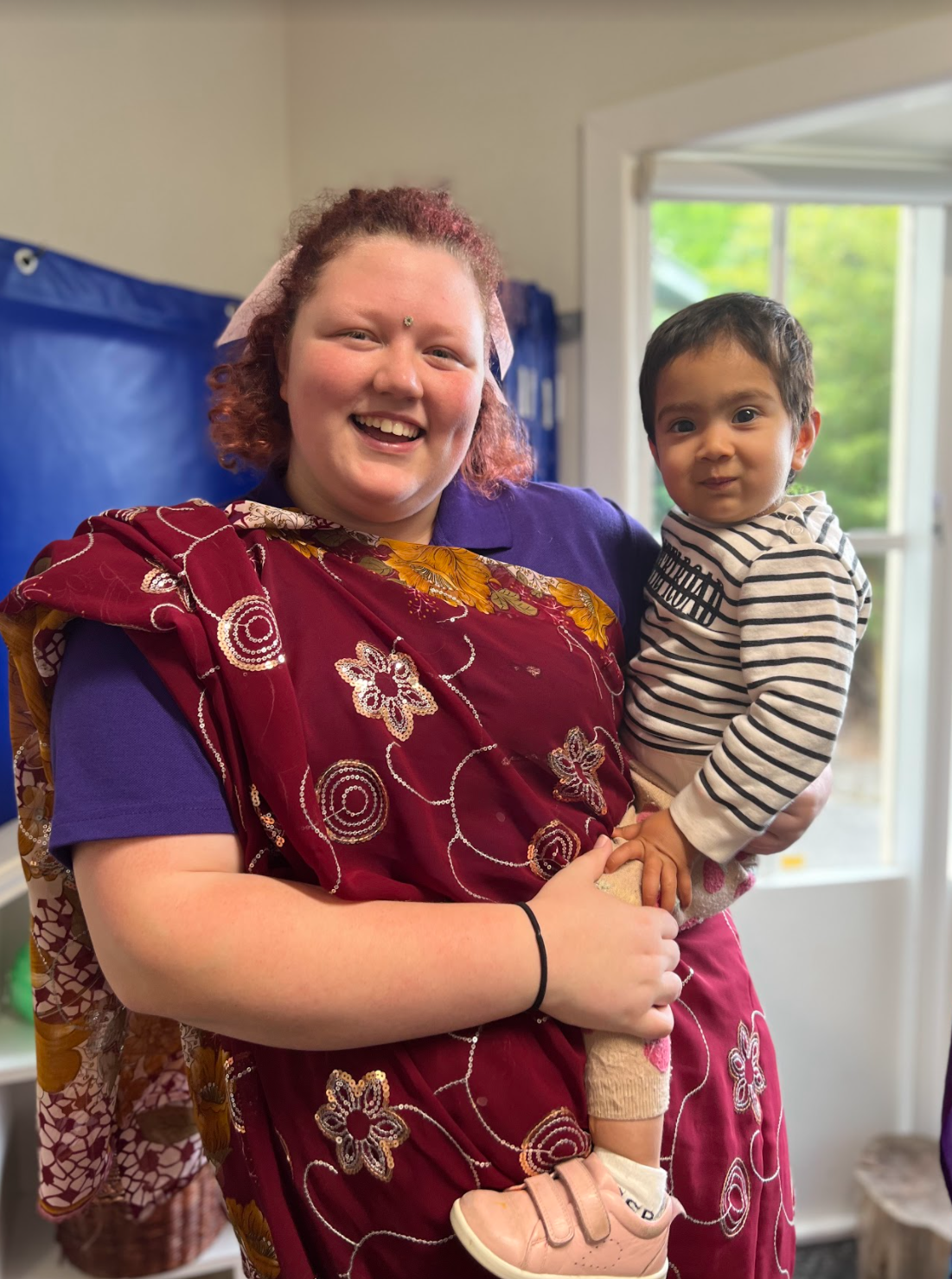
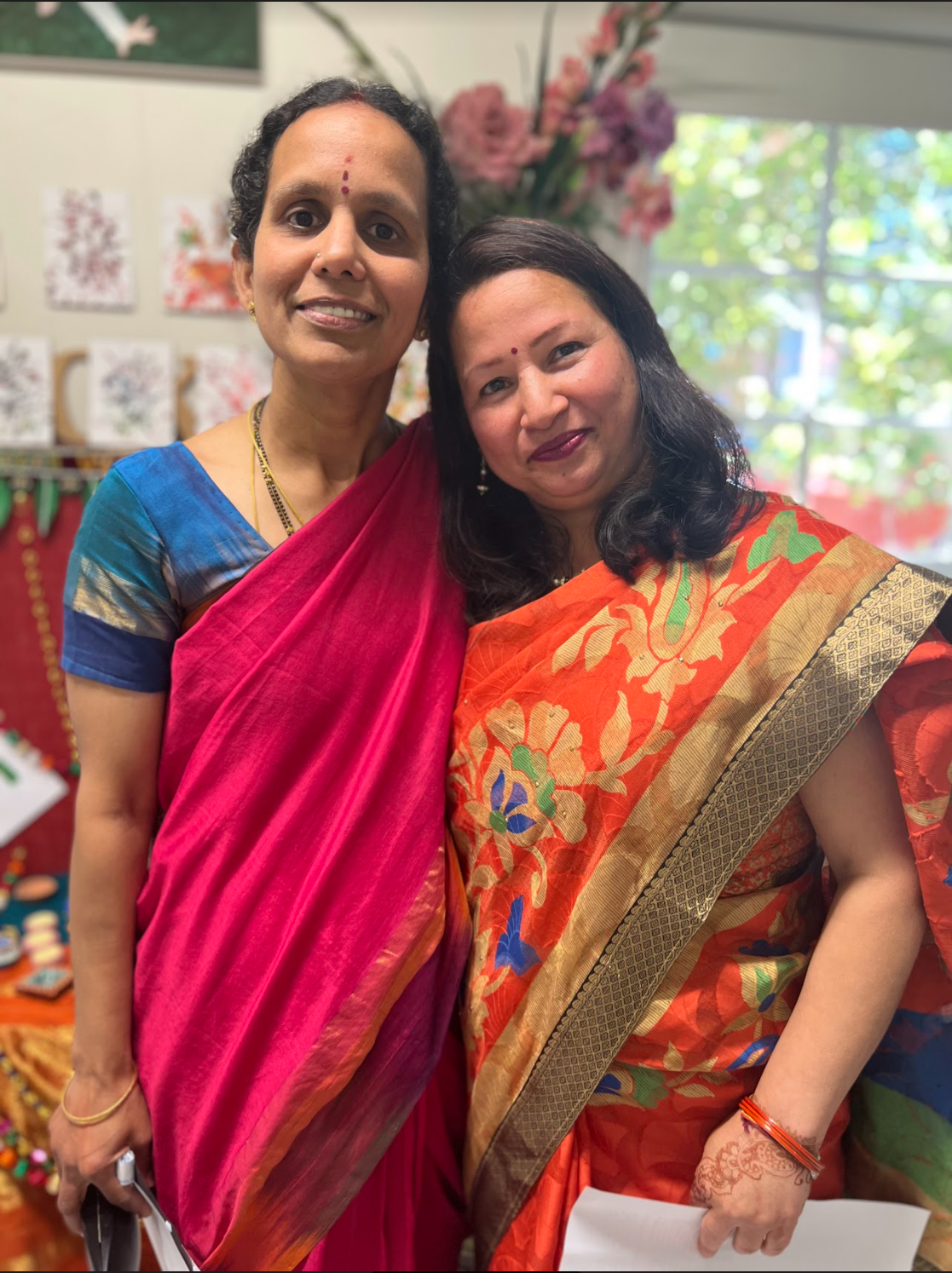
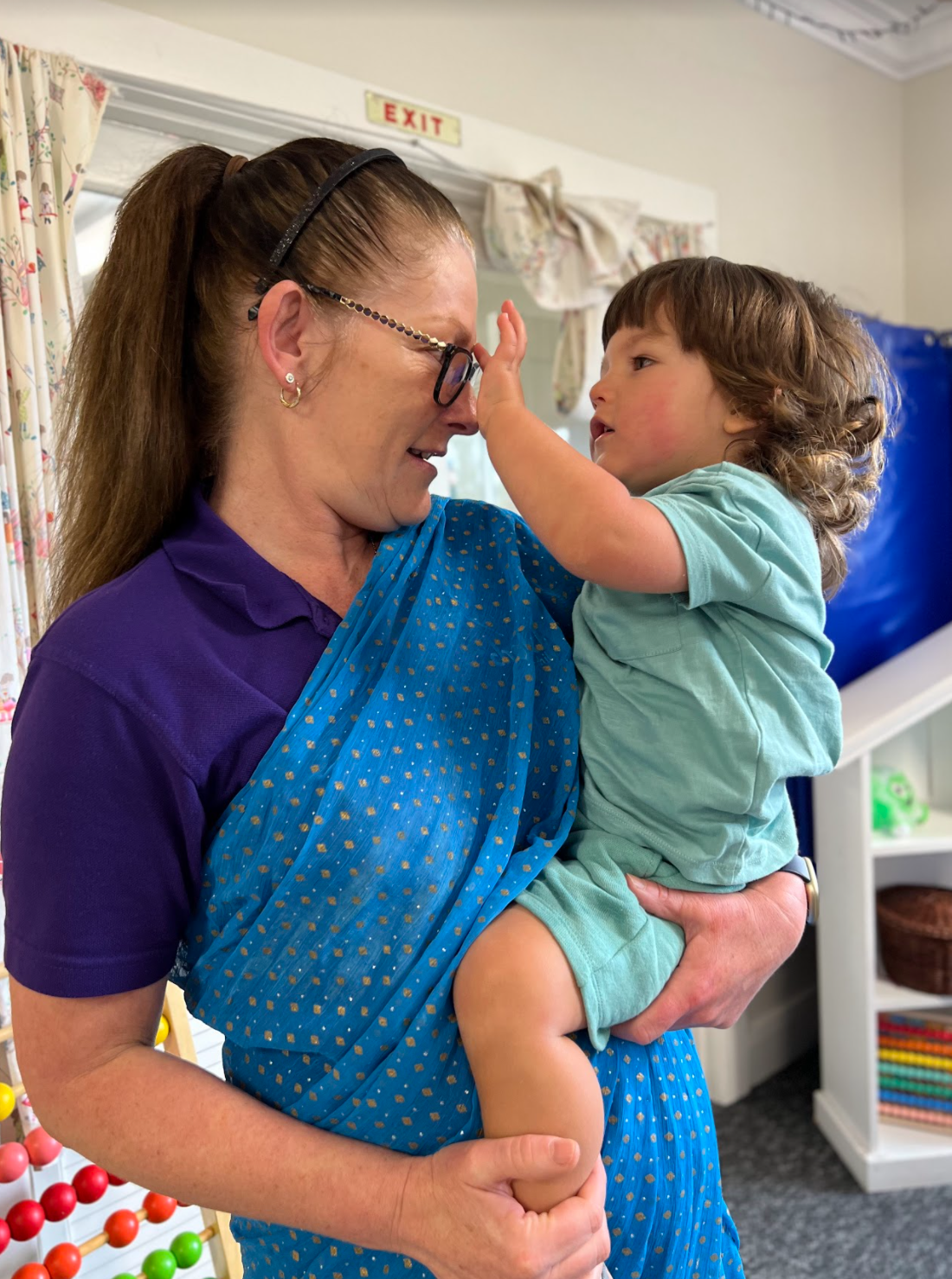
If everyone who sets foot in Choklits feels welcome, valued and safe, then we know we are on the right path and we know we are giving everyone an opportunity to do their best ever work.
Culture has many themes including tradition, beliefs, attitudes, values, customs and rituals. We know that understanding our own culture is critical in understanding the culture of others.
For example, before we began the process of creating our own Reconciliation Action Plan (more here), we first looked at how we were already embedding Aboriginal and Torres Strait islander perspectives at Choklits. What did our foundational thinking look like, and what did it reveal?
We started with our leadership team and we examined what culture means to us. Here are some of our thoughts;
“Cultural competency is the ability to understand and interact effectively with people from other cultures. To have cultural competence, you need to have a basic understanding of your own culture. (It’s difficult to understand another’s culture if you aren’t familiar with your own), a willingness to learn about the cultural practices and worldview of others, and a positive attitude toward cultural differences and a readiness to accept and respect those differences.”
~ Janine
“To me, understanding culture means developing your own actions to support everyone represented in the community. It means making sure that all feel like their diverse way of being are welcomed and valued. It also includes learning about others with an open mind.”
~ Dee
“Awareness of one’s own cultural influences, beliefs and practices and at the same time understanding different cultural values, beliefs and practices of others. It also means showing respect for diversity and interacting with others in such a way that promotes relationships and meaningful exchange of information.
~ Jaya
“I think culture is a very important part of everyone’s identity and who they are. As this is very important to us, it is important we respect how important other people’s views, values, and identity is to them. To fully understand and embrace this, you need to be willing to learn, listen to others’ views with acceptance and an open mind, while being willing to be vulnerable when openly sharing your culture with others.”
~ Courtney
“Cultural competence is a lifelong learning about my own views and how they influence my actions and decisions; learning to accept, celebrate and respect different ways of being; and building on my own knowledge about different cultures and traditions.”
~ Elena
“To me, cultural competence means respecting and celebrating diversity and valuing the differences between people. I believe it is a journey of gathering information, of personal reflection and understanding. Understanding that people come from diverse backgrounds, have different values and different traditions helps me create an environment where everyone belongs.”
~ Jodi
“Cultural competence to myself is being aware of oneself’s history. Whether that is religion, family orientation, beliefs, traditions or culture. Through understanding our own cultural competence, we can be more open and aware of others’ culture and their beliefs too.”
~ Amy
We then extended the exercise to our entire team at Choklits. As part of our team meeting our leadership team facilitated group discussions about culture, encouraging everyone to share their own thoughts on culture and what it means to them. As we opened up and explained our own feelings many of our differences became clear. Many of our family traditions are different, we celebrate different times of the year and we speak many different languages at home. We all learned a lot about each other. On many subjects, we believe different things.
It can take courage to share your feelings and explain your differences but the openness and wisdom shared by our team was evidence of the inclusive environment we have created; one in which we can learn and grow together.
When you are willing to share you give others an opportunity to learn.
We also discussed the meaning of ‘cultural responsiveness’ which refers to the ability to learn from and relate respectfully to others. Being responsive, we decided, is not enough. A response is, by definition, a reaction. It requires someone or something to go first.
We are now working towards ‘cultural competence’ which is the ability to understand and interact with people or belief systems different from our own. If we are proactive, if we are open and we can improve little each day we will become competent and our whole community will benefit.
And, when our community thrives, we all thrive.
We will continue examining and sharing our thoughts as we expand and build on our cultural competence further. Until then, I’ll leave you with the question we all asked ourselves; what does culture mean to you?
Self care is often only discussed in the context of how it can benefit and be practiced by individuals, as the name ‘self’ suggests. However, this is a very limited way to view it, as enjoying self care as a family can do wonders for the wellbeing of both parents and children.
As a parent, you need to meet your needs to be able to meet your child’s needs, and self care can help to address both of these. Practicing self care means that we are more likely to be physically, emotionally and mentally able to handle the pressures of everyday life. For busy families, prioritising self care means that parents are better able to care for their children and children will have positive examples of emotional regulation, gratitude, healthy eating, exercise and kindness explicity modelled for them, whch will help them learn to replicate these behaviours.
Self care offers a holistic approach to wellbeing and is all about taking care of your body and your mind. Though you may not have purposefully engaged in family self care, chances are you already do some of these things! The most fundamental aspect of self care for families is spending quality time together with the only expectation being to enjoy each other’s company. This can be as simple as sharing a meal together, playing a board game or reading a story. To take care of your physical health, eating nutritious food that you enjoy and engaging in movement together is where it all begins.
It is important to make time for self care on a regular basis. If you feel like your family’s life is too busy for self care, its likely that self care is exactly what you need!
Think of family self care as an ongoing wellbeing plan, not a reactive response to when things are getting to be too much. By building self care into your family’s schedule and routines, it will easily become habitual. In making self care a priority, you’ll be improving the happiness of everyone in your home and instilling life long patterns of positive wellbeing for your children.
Practicing self care as a family can be hugely beneficial for parents and children alike as it helps to keep a positive, balanced emotional and physical state for everyone in the home. We hope you’ve learnt something new about self care in this blog about the importance of self care for families, and have some ideas about how to implement it into your family routine or expand your existing self care activities in the future.
Children are often really excited to pick up an implement and write, whether it be on paper, concrete or even, to parents’ dismay, the walls and furniture. To write successfully, children need to develop dexterity and strength, which they will achieve through repetition.
Making marks on a surface is inherently satisfying because children perceive the immediate visual input correlated with their movements. This makes fostering a love of writing easy, as, when presented with developmentally appropriate activities, children naturally gravitate towards it. We’ve discussed preliminary writing skills, or pre writing skills, previously in our blog on The Path to Developing Preliminary Writing Skills for Children, and in this blog, we’re going to elaborate on what exactly the pre writing skills are, why pre writing is important, the key shapes and lines that come before writing and the expected pre writing milestones by age.
Pre writing skills are important for:
The main goal of pre writing is to build competence in the areas needed to be successful in writing, ensuring that writing is a positive experience, and hence building self-esteem and self-efficacy.
Additionally, fine motor activities like those practiced in pre writing stimulate the prefrontal cortex, which is the part of the brain that helps with self-regulation and executive functioning, both of which are important for children to develop.
Before beginning to work on writing letters and numbers, there are a number of developmental milestones that children will move through first. These include imitating, tracing, copying and replicating a variety of shapes and lines which are the building blocks of the written English language. The chart below shows each of the key shapes and lines which children need exposure to and repetition of to have success in their future writing endeavours.

It is vital that children are developmentally ready before learning to write letters, otherwise it is likely to end in frustration and refusal from the child, which does not build positive associations. To ensure writing is a positive experience, focus on the aspects your child enjoys, and support them to master each milestone before encouraging them to move on.
Australia is home to a diverse range of beautiful environments, from picturesque beaches to lush rainforests to sweltering deserts to windswept coastlines to undisturbed bushland. We are lucky to have nature’s rich, captivating playground on our doorstep, and here at Choklits Child Care Centre, we believe in capitalising on the opportunity it provides to support children’s learning and development.
Engaging with nature is beneficial to children’s developing minds for a multitude of reasons, as learning outdoors helps to foster positive relationships with their peers and the environment. Engaging students in active, practical and interesting learning experiences in natural outdoor settings promotes the development of their knowledge, understanding and skills to interact safely and respectfully with the environment, laying the foundation for a connected and sustainable future. The connection with their peers and the environment that learning outdoors provides children is incredibly valuable for their personal wellbeing, and the sustainability of our society and our environment.
In this blog, were going to delve into why engaging with nature is beneficial for children through discussing the value and importance of outdoor learning for developing minds.
Learning outdoors by spending time in a natural environment and making use of natural materials provides opportunities for children to explore their world and let their curiosity run free. The inherent qualities of the outdoors support creativity and encourage the development and implementation of problem solving skills, concurrently furthering children’s social development, particularly in the areas of teamwork, communication and cooperation.
Having practiced skills in these areas also aids kindergarten age children in their early literacy and numeracy development as it improves their coordination, persistence and ability to focus, all of which are essential life skills. Additionally, learning outdoors aids children in developing their emotional regulation capacity, as it reduces stress levels and increases happiness, supporting a calm, positive baseline from which confidence in dealing with more difficult emotions can be built.
Spending more time outside in nature allows children to form a stronger connection with the environment, which sponsors their enjoyment of outdoor recreation and their interest in the natural environment. This relationship is a key foundation in their continual enjoyment of outdoor activities and experiences that involve nature, which improves personal health and wellbeing. Furthermore, the robust connection with the environment that learning outdoors fosters is the first step in developing children’s ecological literacy, which is about the knowledge, empathy, and action required for sustainable living.
Learning outdoors has a host of positive impacts on children’s social and academic learning, and their physical and emotional health. First and foremost, children have a natural affinity for being outside, as it stimulates their senses and provides a multidimensional learning experience, making it exciting and engaging. Hence, spending more time outside translates to increased enjoyment of learning and builds their motivation, both of which are instrumental factors in children reaching their educational goals, whether that be learning to build a sandcastle as a toddler, write their name in prep or do times tables in year four.
A relaxed and happy state is conducive to better learning and building positive relationships with peers, which is another benefit of leaning outdoors. Having strong relationships with other children helps to build social skills and collaboration, furthering their resilience and capacity to work cooperatively and autonomously. This teaches children about independence and interdependence, and supports the development of foundational leadership skills. Furthermore, as learning outdoors often involves activities that are challenging and interesting, it builds essential personal and social capabilities like self-confidence, teamwork and initiative.
The adventurous nature of the outdoors leads us to another facet of the unique benefits of learning in a natural environment; developing a healthy respect for the Australian environment. During outdoor experiences, children develop a connection with nature, encouraging environmental stewardship and paving the way for them to grow into environmentally conscientious citizens who are engaged in sustainable living.
Spending time in nature also helps children to build confidence and competence in engaging with the outdoors, specifically in the way of practical skills and risk management. Instilling habits like using sun protection and wearing appropriate clothing to ensure safety outside is a great way to build children’s and parent’s confidence in a child’s ability to navigate the outdoors, in conjunction with risk management. We’ve discussed the importance of allowing children to explore their capabilities by taking risks before on our Choklits blog, and learning outdoors is an excellent tool in teaching children to assess risks and make judgements about how to manage them safely.
Lastly, being outside in nature facilitates physical engagement, so by learning outdoors, children are encouraged to remain in touch with their desire to be active and express themselves through movement, which translates to fostering a love of healthy, non-competitive, physical activities. This is incredibly beneficial as it teaches them the value of outdoor recreation, helping to build a lifelong enjoyment of physical activity to support their health and wellbeing.
Building regular time spent outdoors and in nature into children’s lives is more important than ever as, on average, the time children spend in nature is reducing, and their sedentary time is increasing. At Choklits, we understand how integral learning outdoors is to children’s development, so it is incorporated into our schedule each day in varying ways, including spending time outside in our play areas, such as the sandpit and playground, exploring the vegetable garden and going on excursion to the park. We hope that this blog has prompted you to think about the multi-faceted benefits of learning outdoors, and has given you a more in depth understanding of why engaging with nature is so beneficial for children.
Project based learning is becoming increasingly popular with educators around the world, and for good reason. Its an innovative and research backed teaching method which engages children’s minds in solving a problem or complex question, leading to them developing sound, real-life knowledge and critical thinking skills. Like most educational techniques, project based learning is not a standalone method, rather one meant to be incorporated into children’s learning to support their development of knowledge, literacy, numeracy, problem solving, critical thinking, teamwork and real-life skills. In this blog, we’re going to discuss the benefits of project based learning for children, by explaining what PBL is and how it positively impacts children’s learning.
Project based learning, or PBL, is a dynamic pedagogy designed to promote children’s engagement through interest, deeper learning through real-life applications and high quality communication. According to the Buck Institute for Education, “Project Based Learning is a teaching method in which students gain knowledge and skills by working for an extended period of time to investigate and respond to an authentic, engaging, and complex question, problem, or challenge”. As its name suggests, this learning method centres around a focus question or problem that children work together to solve.
It is important to understand the distinction between authentic project based learning and projects themselves. For a traditional educational project, educators will present the unit content, and students will produce a project at the end to showcase their learning. However, in project based learning, the project forms the basis for the entire unit of work, as it is the vehicle for teaching the desired knowledge and skills that are being developed.
There are a multitude of benefits of project based learning for both children and educators alike.
Project based learning encourages children to become more independent and take on greater responsibility for their learning, the first step to lifelong learning. By enticing them to be excited about furthering their knowledge, it fosters a love of learning so they remain active in seeking new skills and information.
While kindergarteners obviously are not ‘assessed’ in the way that school children are, part of an early childhood educator’s role is to track children’s progress and development. Project based learning aids this process, as it presents many opportunities for children to demonstrate their knowledge and skills in ways that align with their learning styles and show their capacity while working independently. Additionally, project based learning gives educators valuable insights into who a child is a person, and what they are interested in, fostering a positive, meaningful connection.
Project based learning is, at its core, informed by the children who are engaging in the project, and as such, it provides a multitude of opportunities for children to be active in their learning. It supports them to think critically about questions as they are related to topics of interest, building their confidence and perseverance. Project based learning also lends itself incredibly well to accommodating a wide variety of learning styles, ages and stages together, which encourages cooperation and teamwork, building valuable social skills that your child will require throughout their life. Furthermore, through promoting a feeling of ownership of their work, project based learning encourages children to be vocal about their opinions, developing their autonomy as problem-solvers and instilling a sense of pride in their work.
Project based learning supports children to become comfortable managing obstacles through developing robust problem solving skills and strong self-confidence, as reflection on one’s conclusion is instrumental in a continual inquiry process. This extended learning is possible because children are working to solve real-life issues which are important to them, and it provides opportunities for deep learning and comprehensive understanding of topics and concepts.
As we mentioned above, project based learning fosters a love of learning in children, and this is achieved through nurturing curiosity and creativity. Questions are celebrated in project based learning as they spark new methods of inquiry and new learning, allowing children’s natural curiosity to flourish. Through the exploration of many possible solutions, project based learning creates an environment where creativity thrives, fuelling children’s desire and capacity for innovation.
Here at Choklits Child Care, we seek to instil a love of learning in every child who enters our centres, and project based learning is one such vessel to achieve our purpose of building meaningful connections with children and fostering their independence, curiosity, critical thinking, self-confidence, capability and creativity.
Preliminary writing skills, often referred to as pre-writing skills, are the foundational literacy and motor skills children need to develop before learning to write. You might be surprised that learning to write doesn’t start with letters, but rather much, much earlier, from when your child is able to move independently. In this blog we’ll discuss the vital preliminary writing skills children need to develop before writing, including gross motor skills, fine motor skills, hand muscles, stamina and pencil grip.
To be able to learn to write, children need to have well developed gross motor control in order to advance their fine motor skills. They key parts of children’s gross motor development related to writing are having good seated posture which comes from stable core control, bilateral coordination, hand-eye coordination, midline crossing and hand dominance.
Having good seated posture is important for writing, as without it, children will tire easily, increasing their frustration and making it difficult for them to focus on the task at hand. Crossing the midline, or the imaginary line that bisects the body, separating it into the left and right sides, is something that takes children time to become comfortable with, and goes hand in hand with developing a dominant hand. This skill is important for writing as children will eventually be writing on the left side of the page with their right hand, or vice versa.
Bilateral coordination is particularly pertinent from early on in a child’s writing journey, as they’ll need to be able to stabilise the material they are writing on, like their piece of paper, with one hand, whilst manipulating their writing instrument with the other. Hand-eye coordination is also required, as they eyes are used to guide and direct hand movements in conjunction with muscular control.
Children start building their gross motor skills from when they are born, and this development continues throughout childhood. The majority of gross motor development happens through free play, where children are spending time moving around for the joy of it. For ideas on how to support your little one’s gross motor development, check out the physical play and nature play sections in our blog on the Key Types of Play for Children’s Development.
Before even thinking about your child holding a writing utensil, it is important that they build up their fine motor skills, hand muscles and dexterity first. This will ensure it is a positive experience, as without these, their hand muscles will be weak and lacking in control, which leads to strain and fatigue, making any kind of drawing or writing less enjoyable.
Solid fine motor control helps to prepare children for drawing, writing, painting, cutting, tying shoes, colouring, buttoning and doing up zips, among many other skills. Here are some activities you can try to help develop your child’s fine motor skills.
The single most important way to incorporate writing implements into your child’s play is to offer a variety of utensils. For children who are just beginning, larger utensils are perfect, like egg-shaped crayons, large thick-handled paintbrushes, jumbo crayons and sidewalk chalk sticks.
Once your child has mastered and is comfortable with these, you can introduce smaller and thinner implements, like traditional pencils, smaller paintbrushes and crayons. Practice here is key – the more your child uses different utensils, the more stamina they’ll develop.
The way a child grips a writing utensil will progress as they develop the hand muscles and control to manipulate it more effectively without needing so much stabilisation.
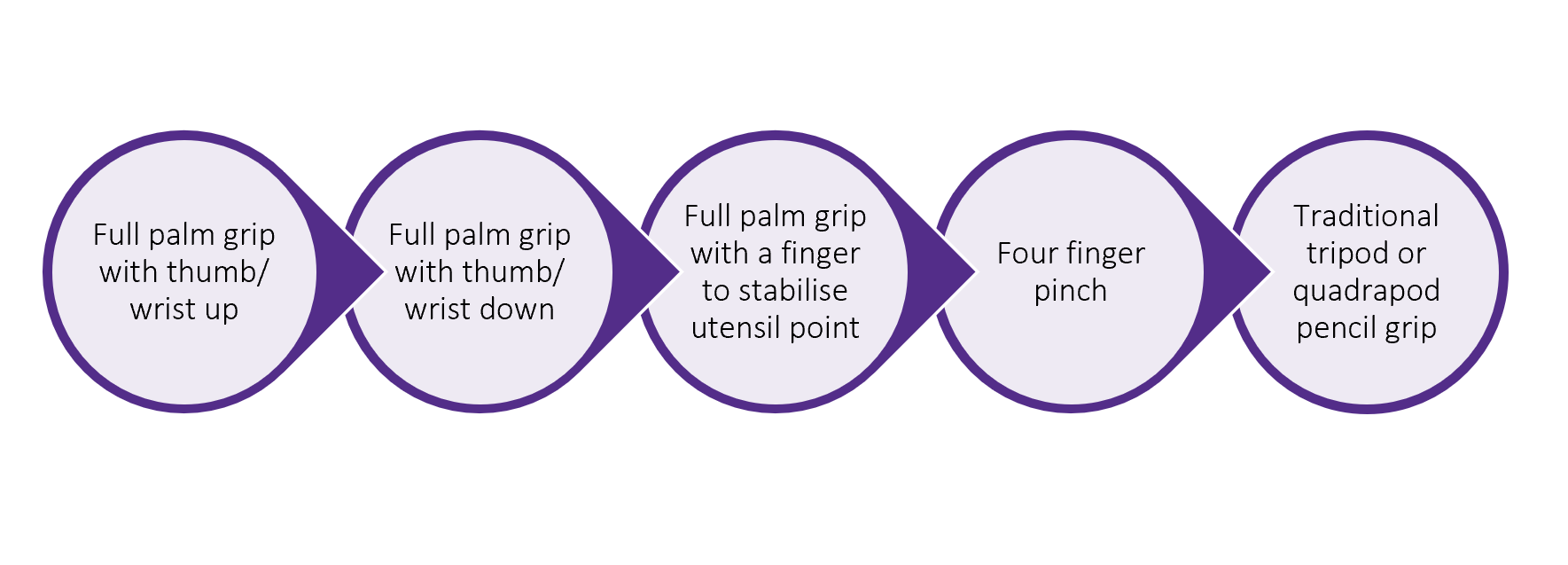
The progression through the first four stages of a pencil grip usually happens quite naturally, however many children have trouble moving from a four finger pinch to a traditional pencil grip, often because their fingers are spread out along the length of the utensil to stabilise it.
Having the fingers condensed is the most important element to transitioning to tucking the fourth and fifth fingers. To encourage a more effective writing grip, providing children with shorter utensils is important as it encourages them to move their fingers closer together.
Most importantly, keep things fun! The more a child enjoys an activity, the more often they’ll want to do it, and as practice and repetition are the key to developing preliminary writing skills, keeping your child engaged and excited about it are paramount. With a solid foundation of gross motor and fine motor skills, children will be able to use writing implements with confidence to enable them to make the transition to writing specific shapes when they are developmentally ready.