
If you have any experience with children, you’ve probably seen a toddler have a meltdown. Sometimes called tantrums, meltdowns are unpleasant and often distressing experiences for parents, children and carers alike, but are an inevitable part of children growing up and learning about their emotions. In this blog, we’re going to explore meltdowns in depth, including when and why they occur, why they can actually be important opportunities to teach emotional management and how to model positive emotional coping skills.
Meltdowns usually begin sometime after a child turns one and before they reach the age of four. They can be short, only a minute long, or can last for several hours. Meltdowns often include vocal signs like crying, screaming, yelling, and physical behaviours like stamping feet, hitting (themselves, others or objects), rolling on the floor, breath holding and hiding. To parents, it can feel like they frequently occur in the most public of places, such as the supermarket, the park or at family events, but they’re also just as likely to occur at home; in the kitchen at lunchtime or the bath before bed.
Times of change or transition, like when preparing to leave for example, are often triggers, and make the management of tantrums extra tricky because they often happen at incredibly inconvenient moments. When your child has a meltdown, it can be shocking, embarrassing and upsetting, so many parents may resort to yelling, pleading or bribery in an attempt to stop the behaviour. While these are completely natural responses, they are unfortunately more likely to unintentionally hurt rather than help in a meltdown situation.
Meltdowns are a response to a child or toddler being overwhelmed, and, in almost all cases, are not something they have the ability to control. They usually happen when a child’s brain is over-stimulated and is getting more information than it can cope with, whether that be from sensory input, such a sights, sounds or tastes, or emotional input in the form of strong feelings. This is known as sensory overload.
It’s hard to know exactly how your toddler feels in these instances, because they can’t explain in a way that you can understand, but they probably feel frustrated, scared, angry, worried, jealous, bored, confused or sad, and most commonly all of these things at once. They might also be hungry, thirsty and tired, all of which are things that reduce our tolerance of uncomfortable situations and emotions.
It’s easy to understand why an overload situation is very overwhelming, especially for toddlers who do not yet have the language or understanding necessary to be able to express their feelings, and usually these intense feelings come out in an intense way, like the behaviours we mentioned above.
Although often highly disruptive and difficult to experience, meltdowns present valuable opportunities to help teach children how to recognise and manage their emotions, which aids them in learning about themselves.
Every child is wired differently, some are naturally calm, and easy-going, and might have meltdowns very rarely, while others are more easily frustrated or overwhelmed, which can make them more prone to meltdowns. This difference in temperament is also often linked to emotional management; some children have a natural aptitude for self-regulation and others will struggle with it more, depending on the way in which they experience the world around them.
Self-regulation is the conscious control of your thoughts, feelings and behaviours, or more simply, the ability to handle your emotions and attention in a way that allows you to manage behaviour, complete tasks, participate in activities, solve problems and control impulses. Unsurprisingly, it’s a difficult skill for children to master.
Initially, children’s capacity for self-regulation is small, so they rely heavily on others in their lives, like their parents and educators, to provide co-regulation. Co-regulation is the practice of providing comfort, support and modelling to aid children in understanding, expressing and controlling their feelings and actions. It requires one to pay close attention to the child and be able to recognise the cues they are giving to respond with the appropriate level of support that the child needs in the situation.
When co-regulation is practiced effectively it allows children’s needs for things like comfort to be met and teaches them that the adults in their life (parents, family members, educators etc.) will be there to provide support when they need it. Consistently having their needs met helps children to build trust and facilitates an environment in which they feel valued (through being responded to), which paves the way for learning socio-emotional concepts like self-regulation.
Children’s ability to self-regulate grows over time, and their dependence on external regulation diminishes as they learn to independently execute the skills that have been modelled for them. Slowly, they will be able to manage everyday scenarios autonomously and will only rely on co-regulation in unfamiliar or stressful environments.
Co-regulation is a meaningful and purposeful way to aid children in managing their emotions, however, modelling emotional coping skills is another important aspect of the issue. It is well known that children learn through observation, both of the things we want them to pick up on, and the things we’d rather they not notice, but have you ever stopped to think about what you are teaching your child when you react and respond to stimuli?
We’re often conscious of the ways that we demonstrate certain skills and behaviours to children, like washing our hands before eating or putting shoes on to go outside, but we are also subconsciously modelling our values, attitudes and responses 24/7. When children observe the adults in their life expressing and managing difficult emotions like sadness, irritation, anger and worry in constructive ways, they absorb that information, which is a form of learning how to cope with those things themselves.
The most important thing to remember is that children are not having meltdowns deliberately, and are likely just as distressed and upset by them as you are, if not more so. Even when it is difficult, responding with empathy and acknowledging and validating their feelings goes a long way towards helping them to feel supported and creating an environment which fosters the development of self-regulation skills.
Meltdowns are truly a tricky topic, and there’s no single solution to managing or preventing them that is guaranteed to work for every child. We hope this blog has helped you to understand why toddlers have meltdowns, and that the information provided has been useful in understanding how to manage them to help keep you and your child happy!
Excursions are a big part of our education process here at Choklits Child Care Centre, for both the wonderful fun and incredible learning opportunities they provide. We know how valuable it is for children to have experience with a wide array of different situations and people, particularly when it increases their connections within their community as it helps give them the confidence to explore that environment further.
Recently, Elena, our kindergarten teacher, facilitated an excursion to the post office. The idea to take the kindergarten children at Choklits to our local post office stemmed from the amazing relationship we have developed with the people in aged care at Estia Health Ringwood. Prior to the Covid-19 pandemic, we visited the aged care home once a month, which the educators and children loved. The children formed wonderful relationships with the residents, and they created such a great energy with the kids by teaching them new games and conversation skills.
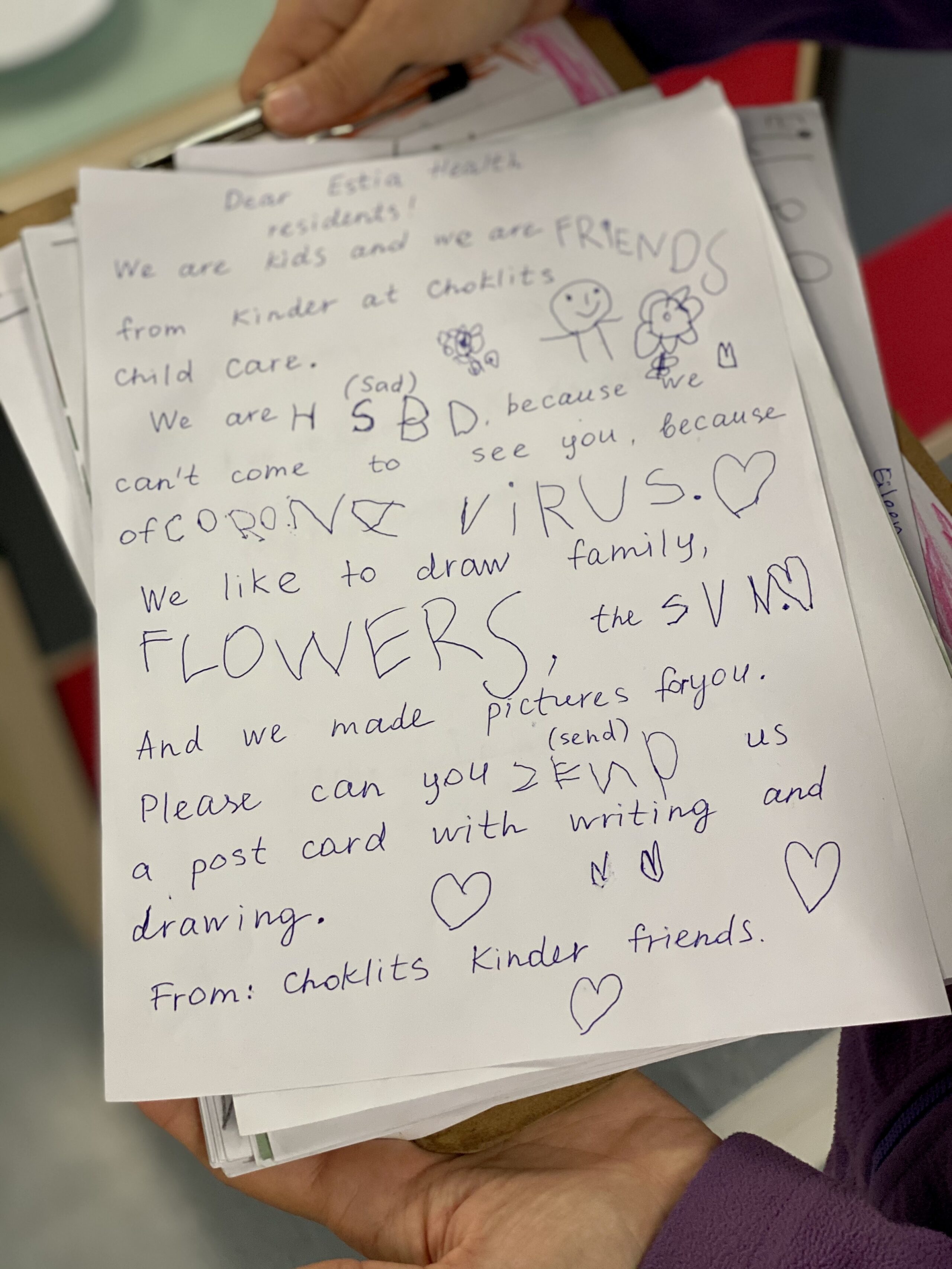
Unfortunately, restrictions still do not permit us to visit at this stage, and the children are really missing those connections, so we decided to try becoming pen-pals and writing letters instead. Kindergarten aged children are so enthusiastic about going out and meeting people in the community, so we thought this was a great opportunity to explore further by going to the post office to send our letters.
Each of the children wrote a letter introducing themselves, with their name, what they like to do, their favourite colour and where they are from. This was a valuable opportunity to practice their writing skills, with help from their educators of course. They painted pictures to include as well. The children also wrote a big letter together with Elena, about why we are unable to visit and asking the Estia Health residents to send a post card.
Elena also used this as a learning opportunity to explore money and counting. The children helped Elena to count out money to pay for the postage, which sparked a great conversation about the different coins and notes. The kids observed the different numbers and values, and noticed the animals and the queen on the currency.
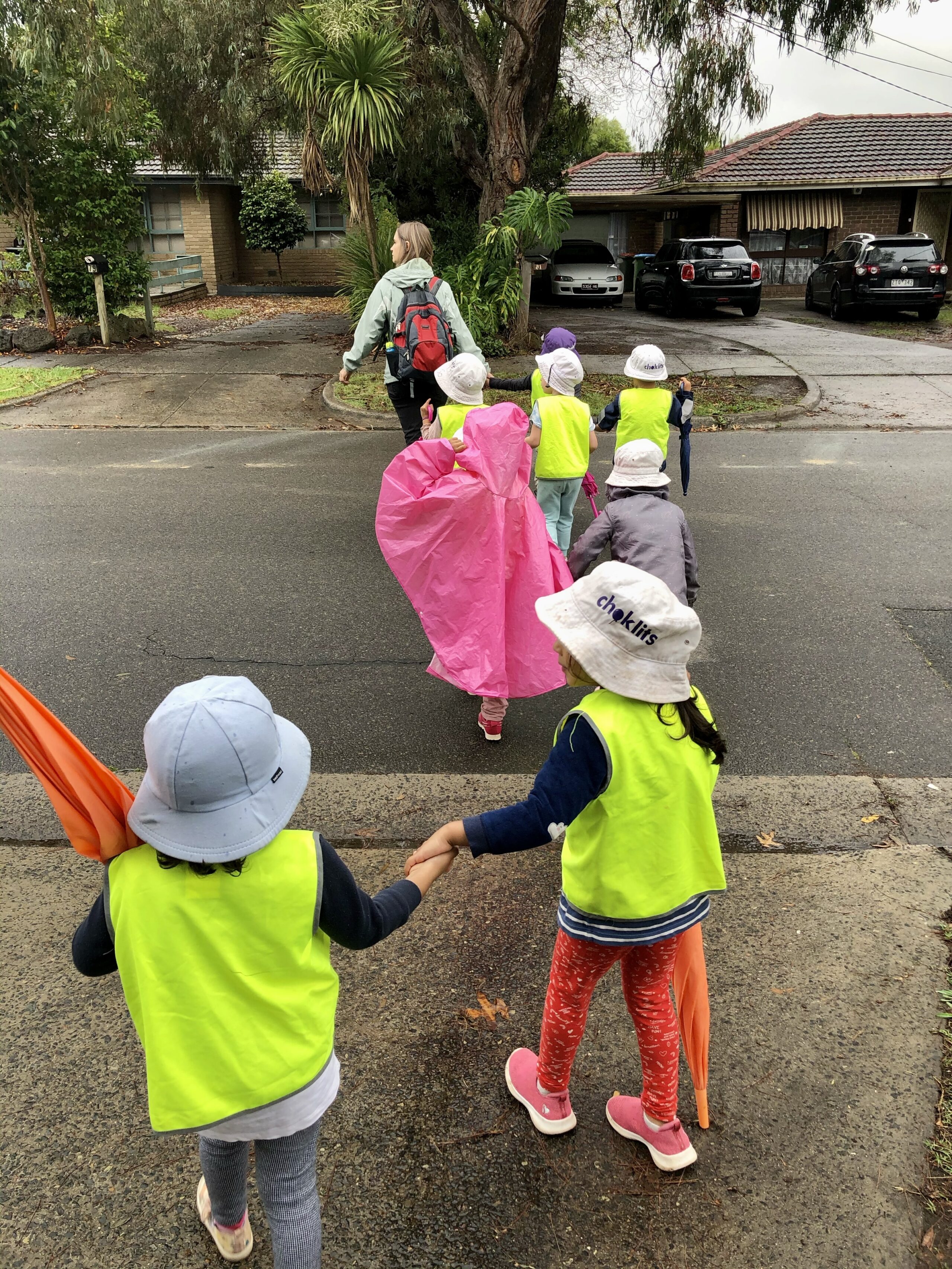
The post office is nearby Choklits Child Care Centre at Ringwood, so we were able to walk there. On the way, Elena took the time to answer the children’s questions they had about about the situations they encountered. For example, when we left the centre, we walked through a carpark to take a quieter route away from the main road, and we met a person at the gate who was walking their dog. The children we very excited to talk to her which was lovely, and they had great fun introducing themselves to her dog. As we continued on our walk, we saw a construction site, which the children were very interested in. They enjoyed waving and introducing themselves to the construction workers, who stopped to talk to them.
We also walked past lots of houses and looked at the numbers, which led to a conversation about their own homes; the types of houses they have, their gardens and fences, and their differences and similarities. This was a great chance to discuss a topic not frequently discussed at the centre, and one which the children love chatting about!
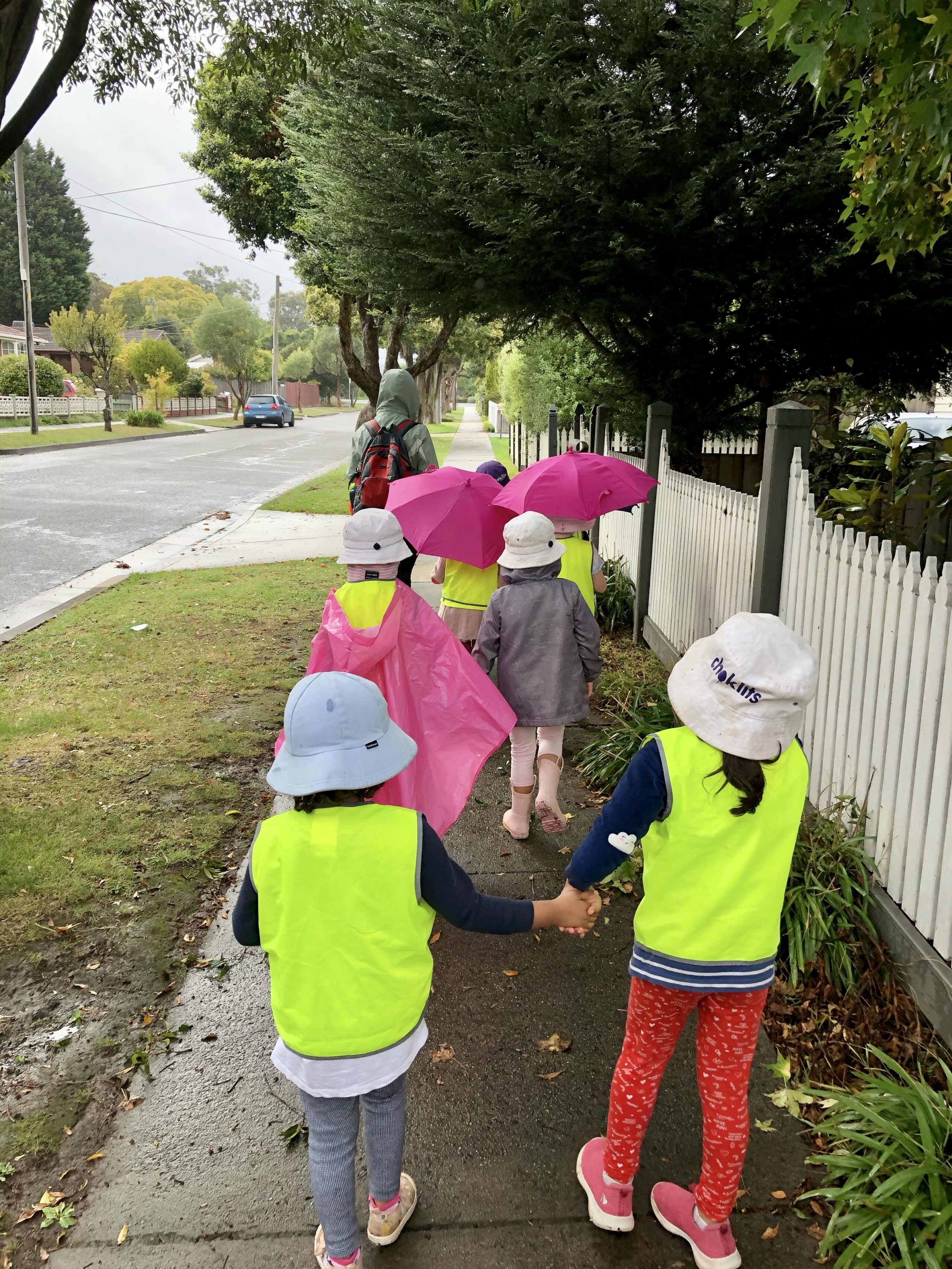
We could smell the eucalyptus trees and different flowers which brought about an excellent sensory discussion and a conversation about how different weather conditions, like the rain, can change the way things smell. The children also enjoyed observing the deciduous trees and their leaves changing colour with the seasons.
During our walk, we encountered traffic lights when we needed to cross the road and talked about road safety, and the indicators that it is safe to cross a road. We also passed roadwork signs which sparked another conversation about construction work, and furthered our discussion about safety. The children were particularly excited by the digger that was there and loved talking to the construction workers about their machines.
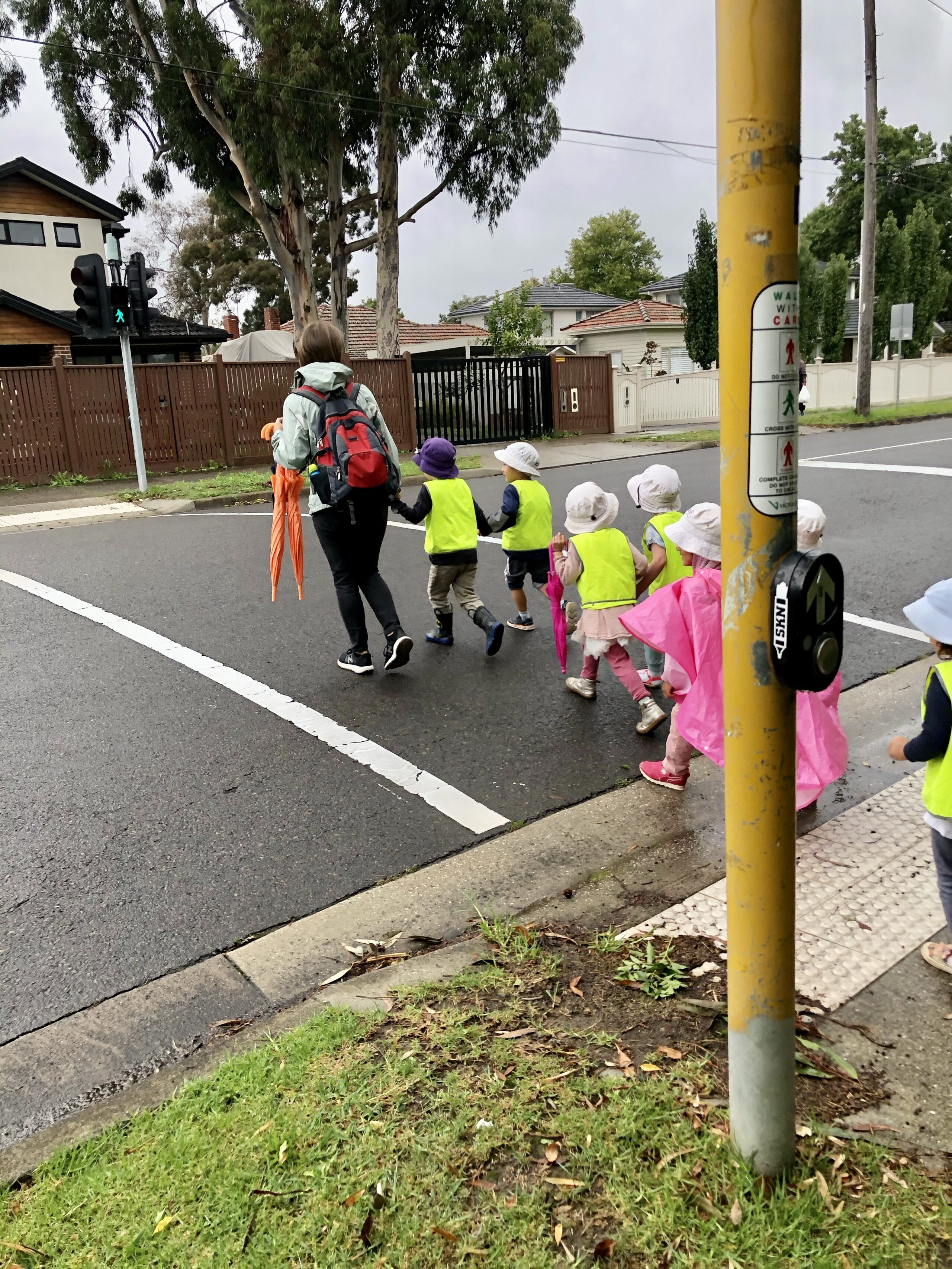
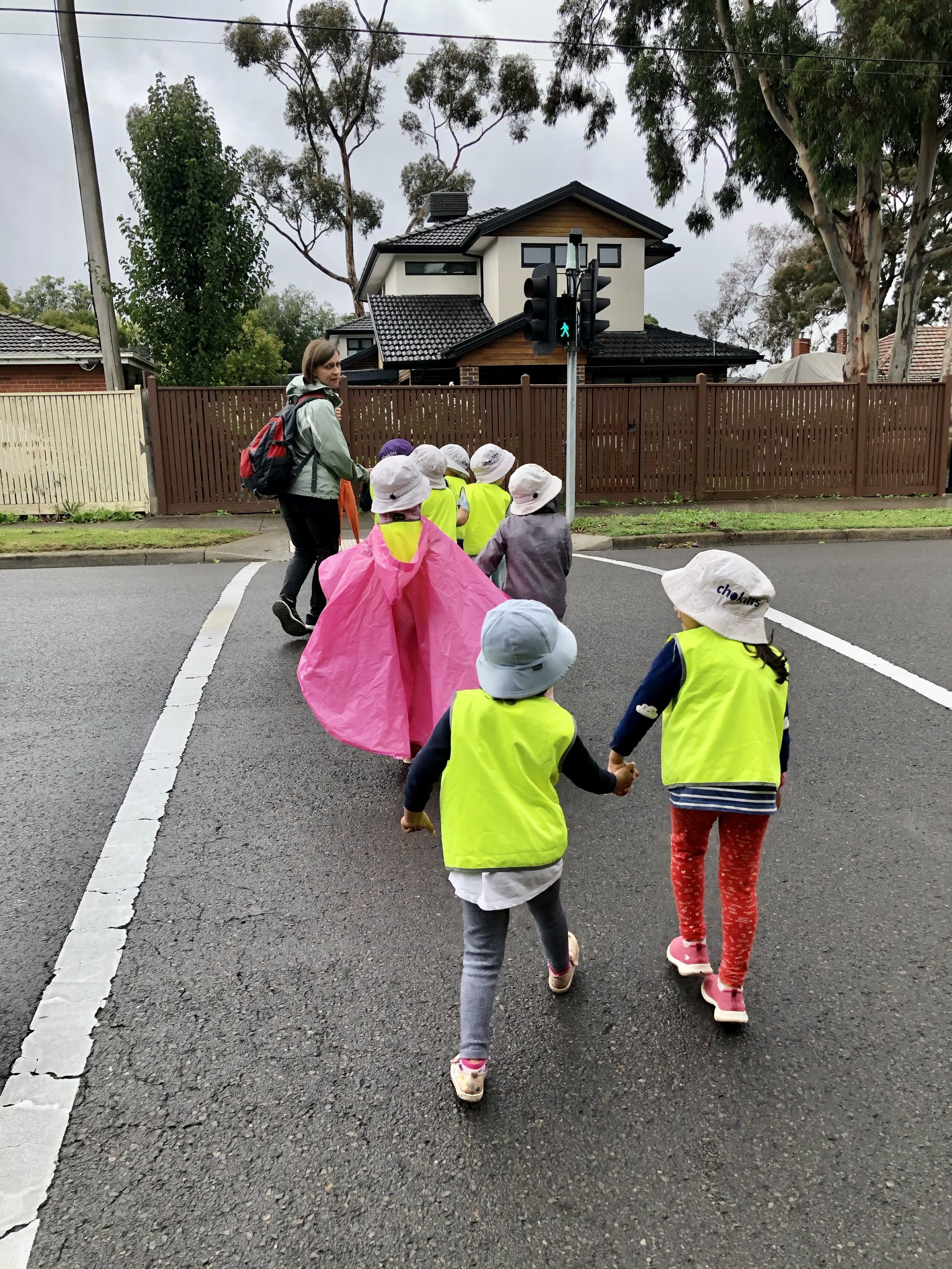
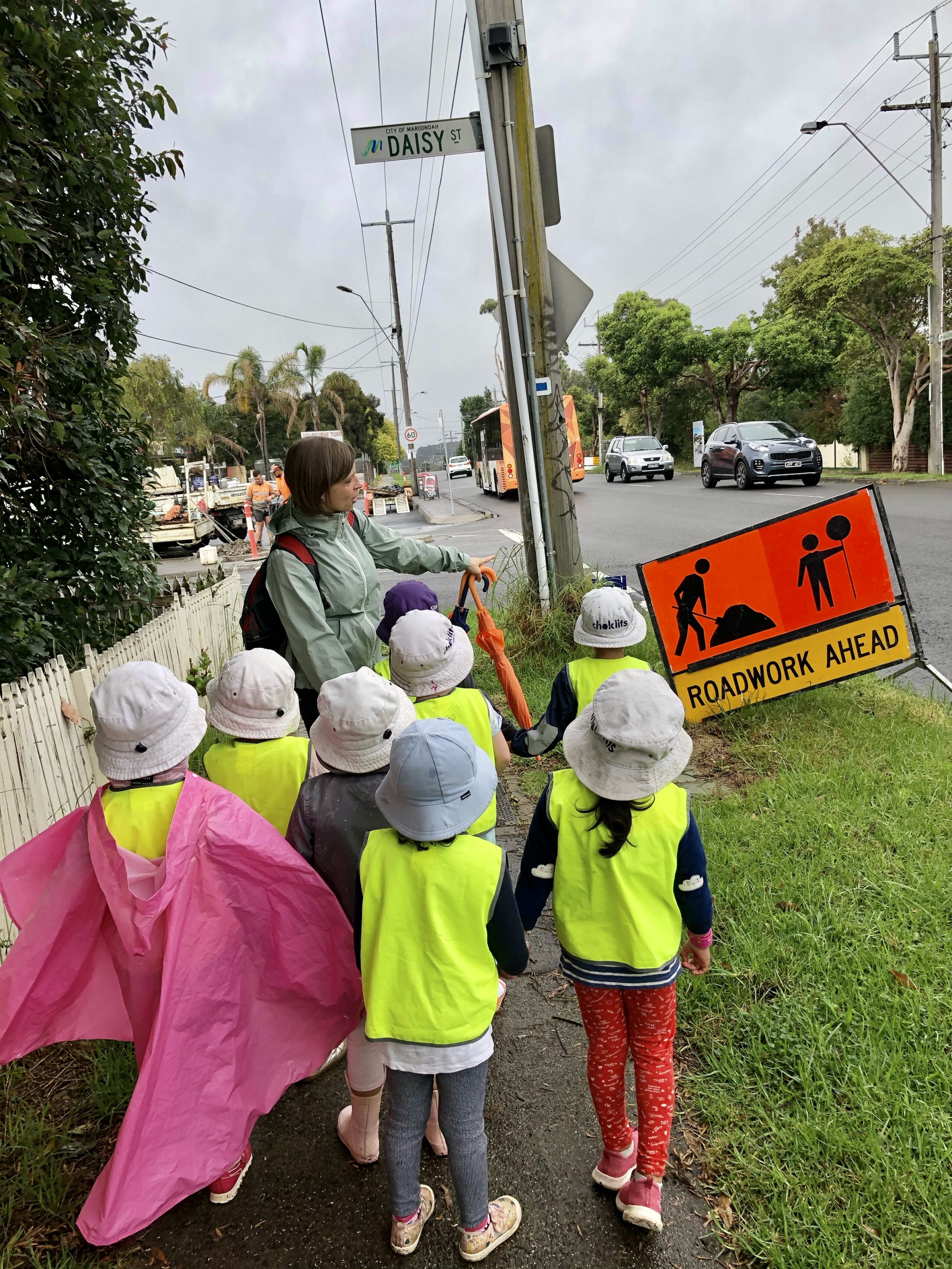
We had many interactions with community members on our short walk which was just fantastic as we had such a wonderful response from people in the community. Everyone stopped to smile and wave, which was a great chance for the children to connect. Our kinder kids are very inquisitive and curious about their world, and this was a great opportunity to build their confidence in communicating with others.
Our educator Sam spoke to the postmaster before our visit, and asked if he could speak to the children about his job. He was very excited to do so, because he actually worked as a teacher when he lived in India previously.
All of the children were very polite and well-mannered, and introduced themselves to him without being prompted to. Elena facilitated a conversation between him and the children, where he showed us the different types of envelopes and explained how to send letters. He also talked about the journey a letter takes from the post office to it’s recipient, which the kids found really interesting.
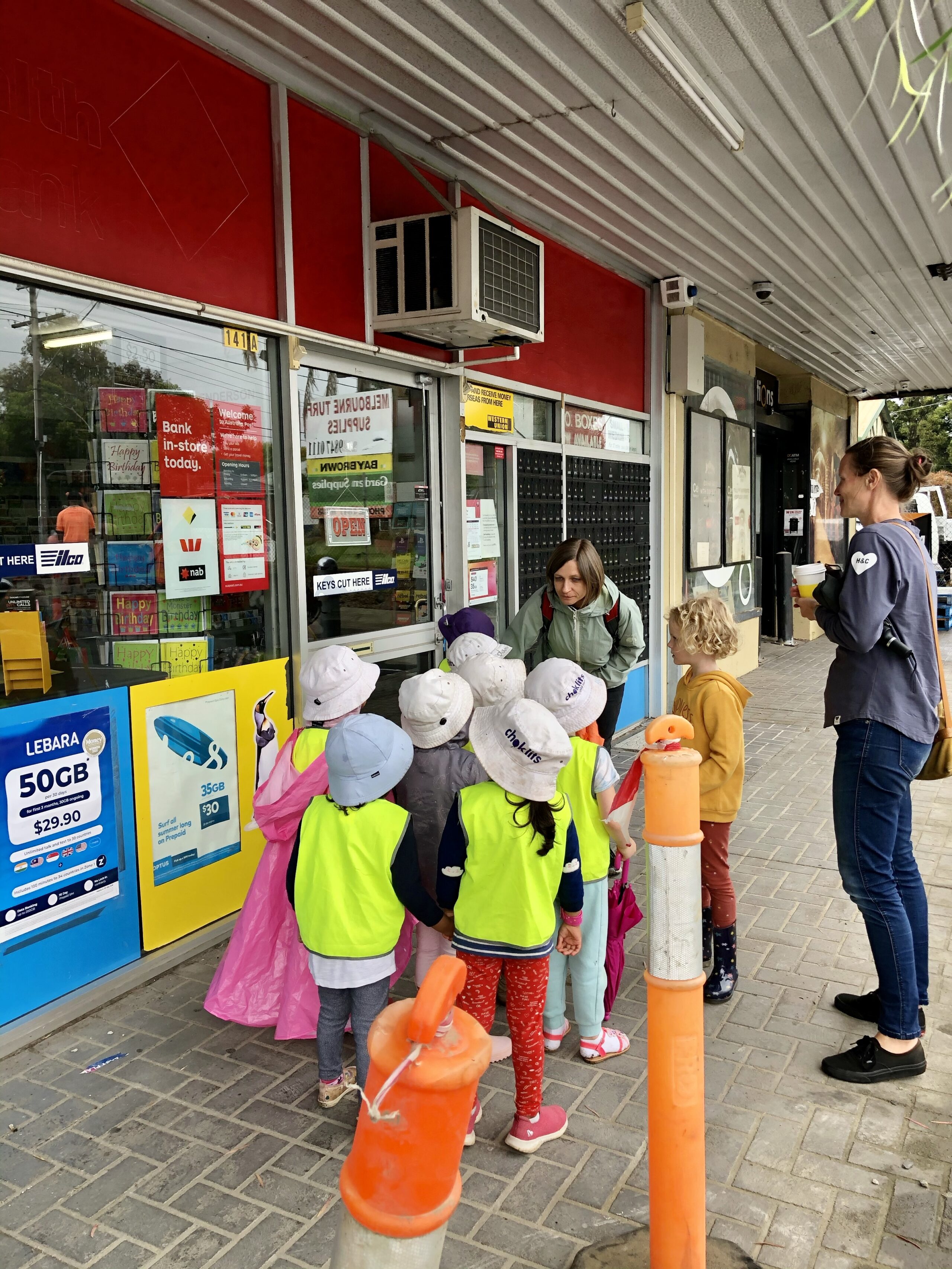
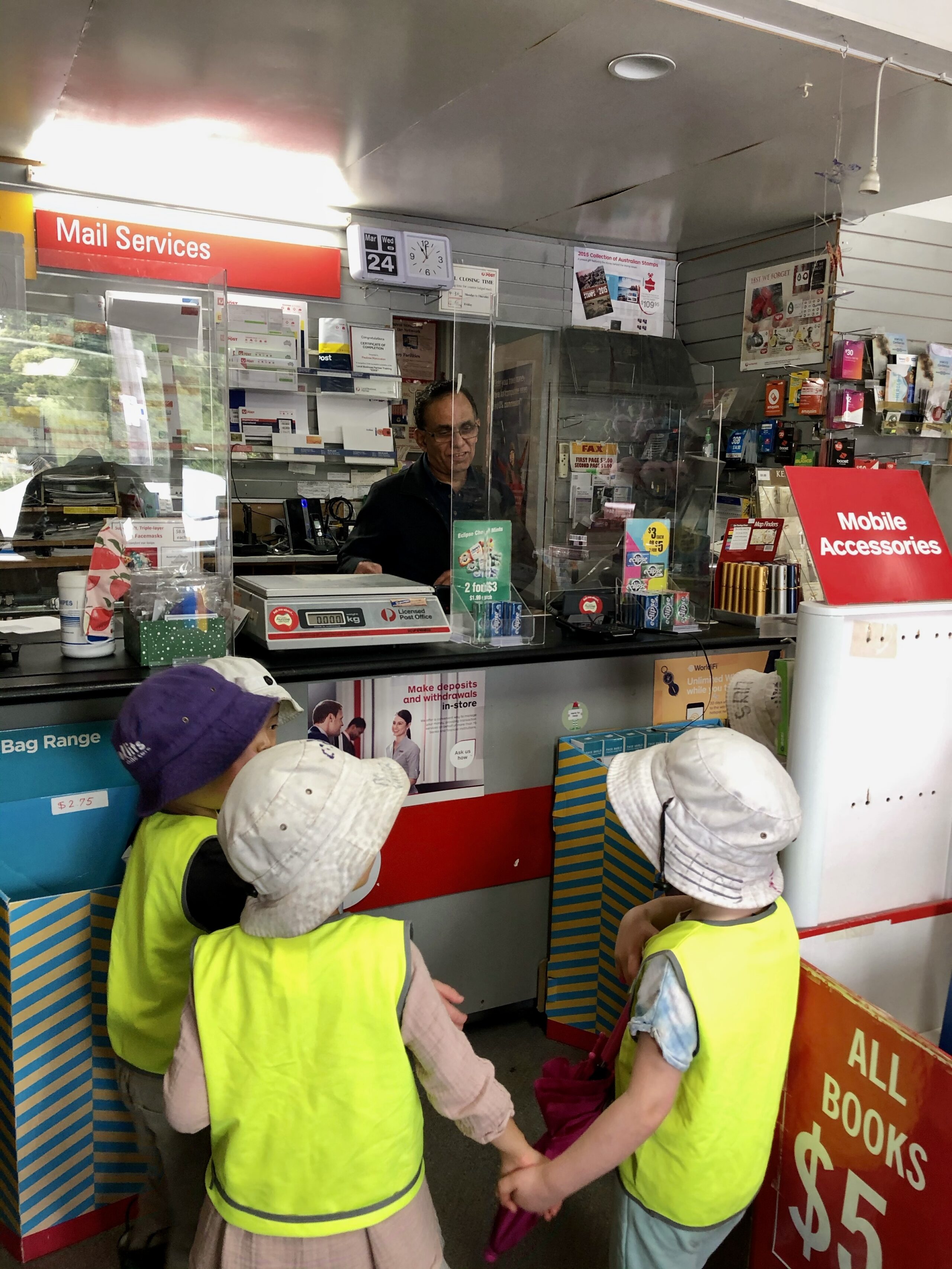
When we were ready to send our letters, we looked at the stamps and talked about writing the address to send it to. We handed it in at the post office and sent it off. Now the kids are eagerly awaiting the response of the Estia Health residents!
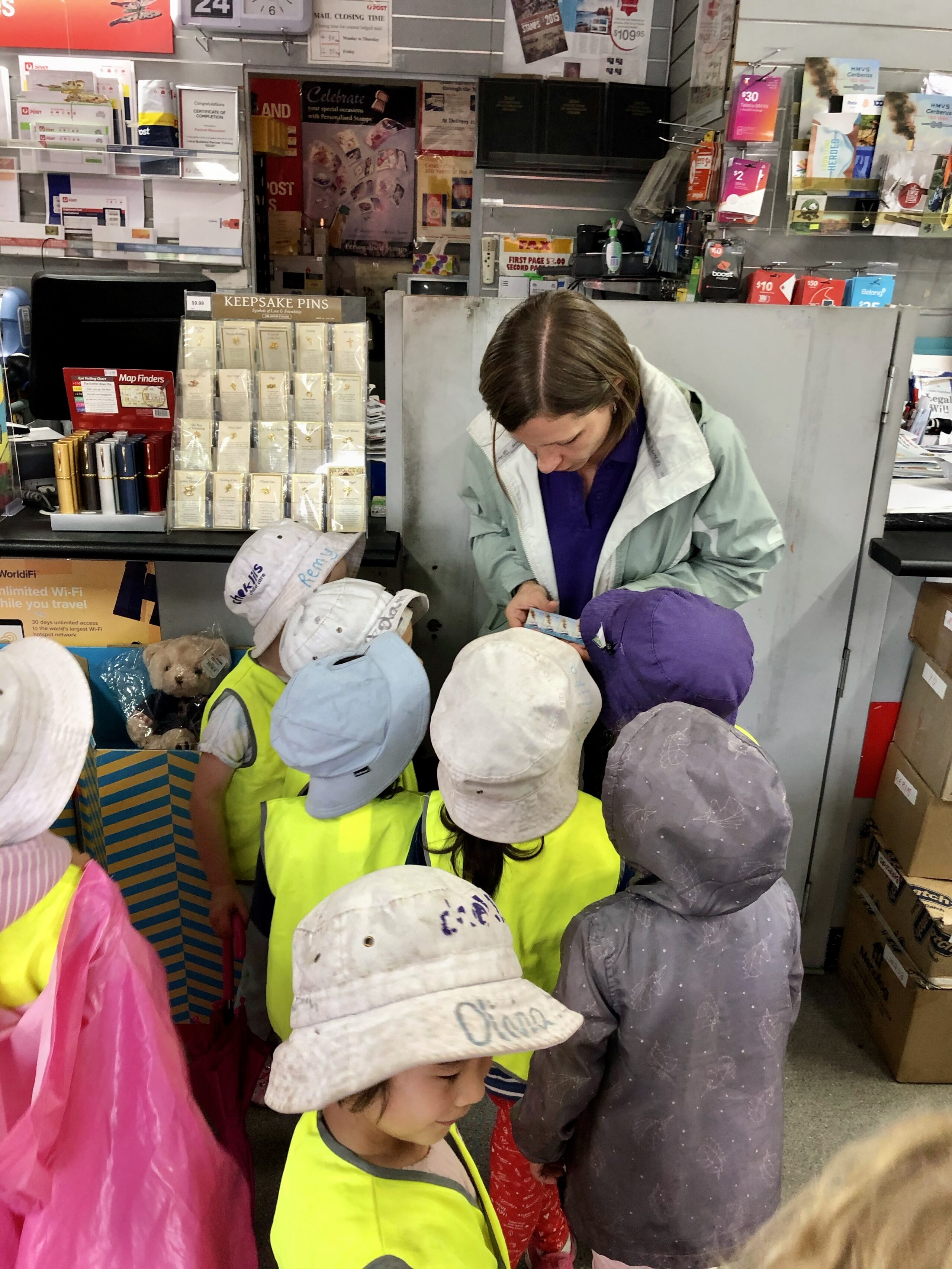
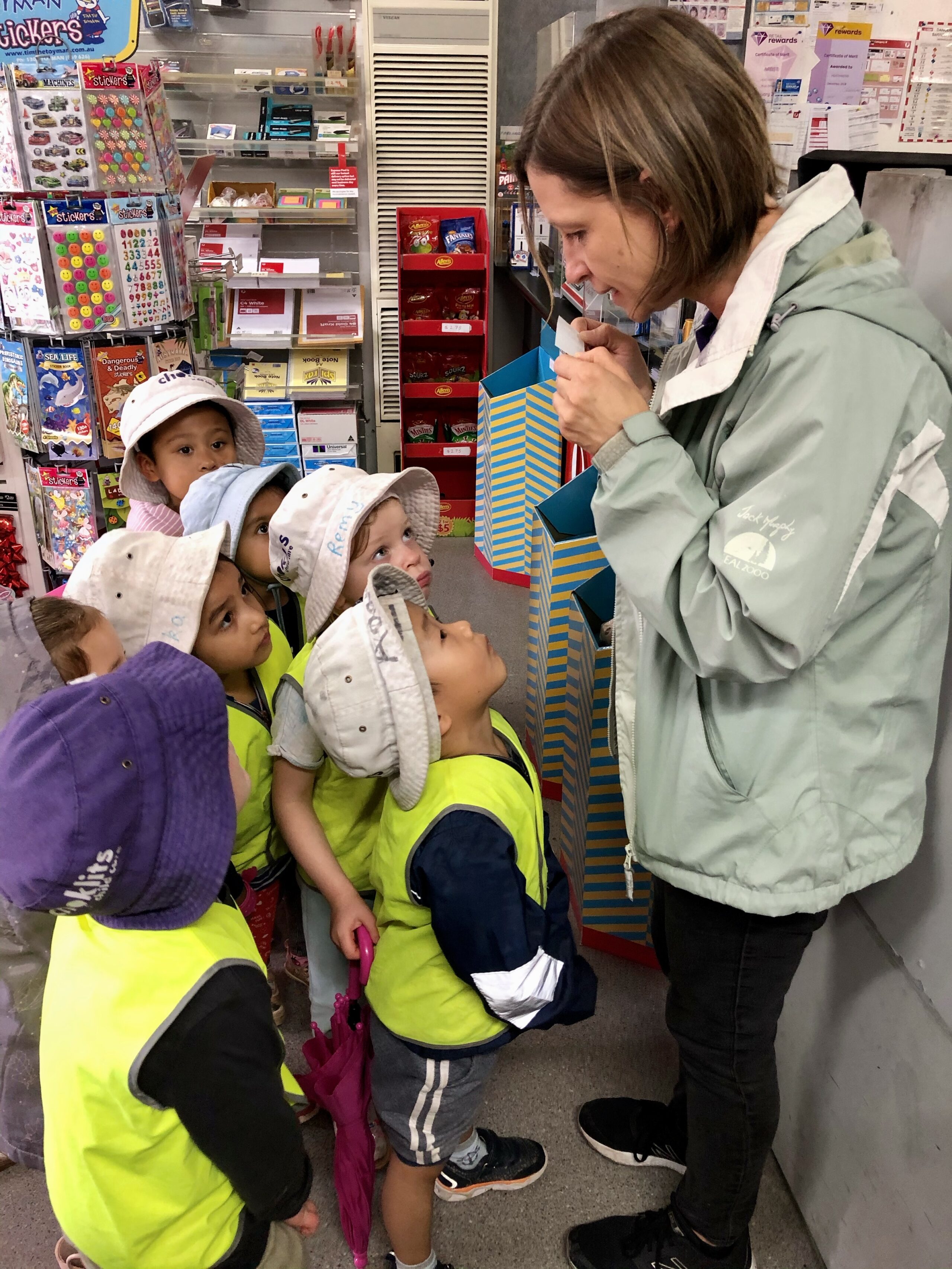
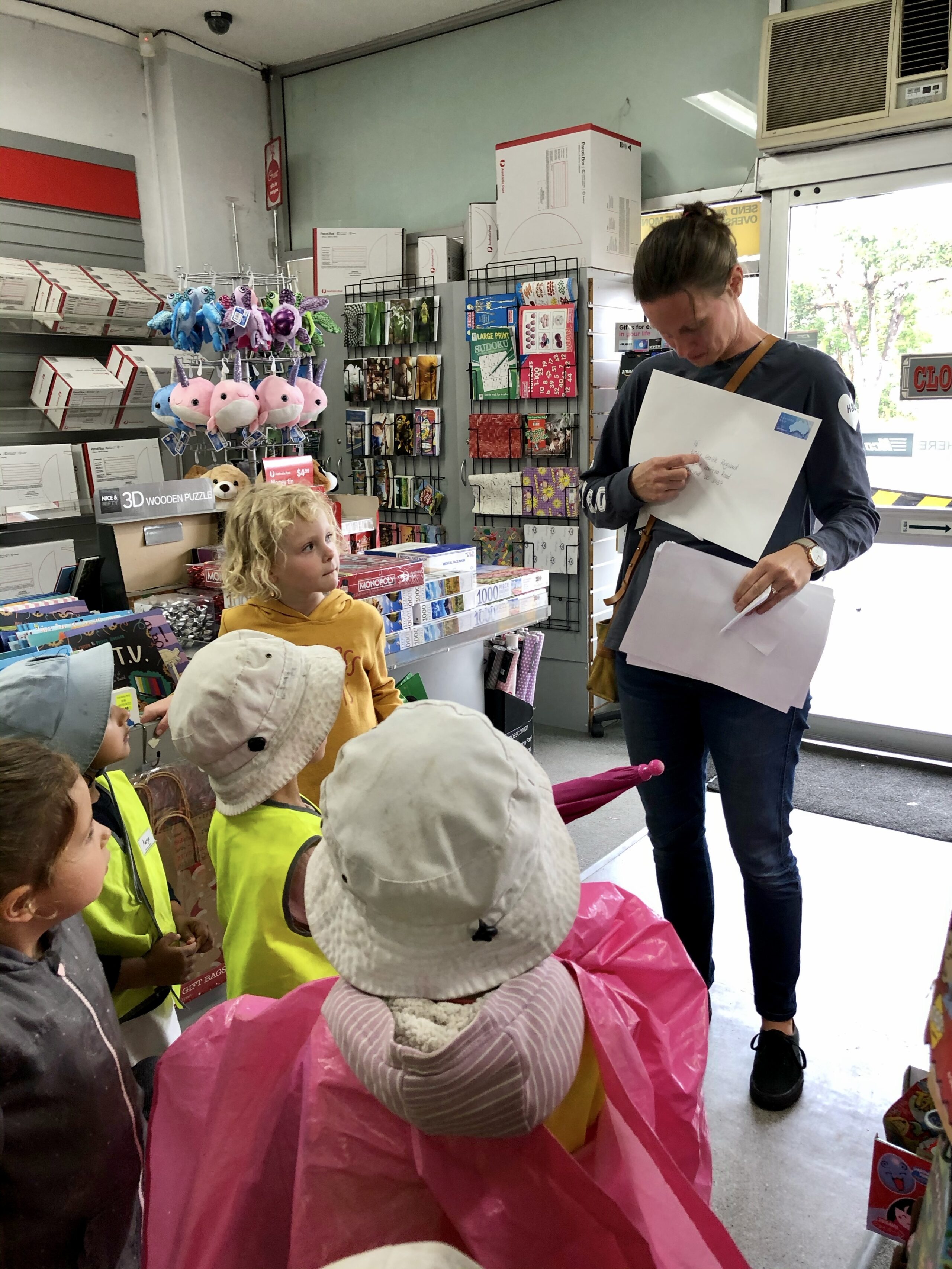
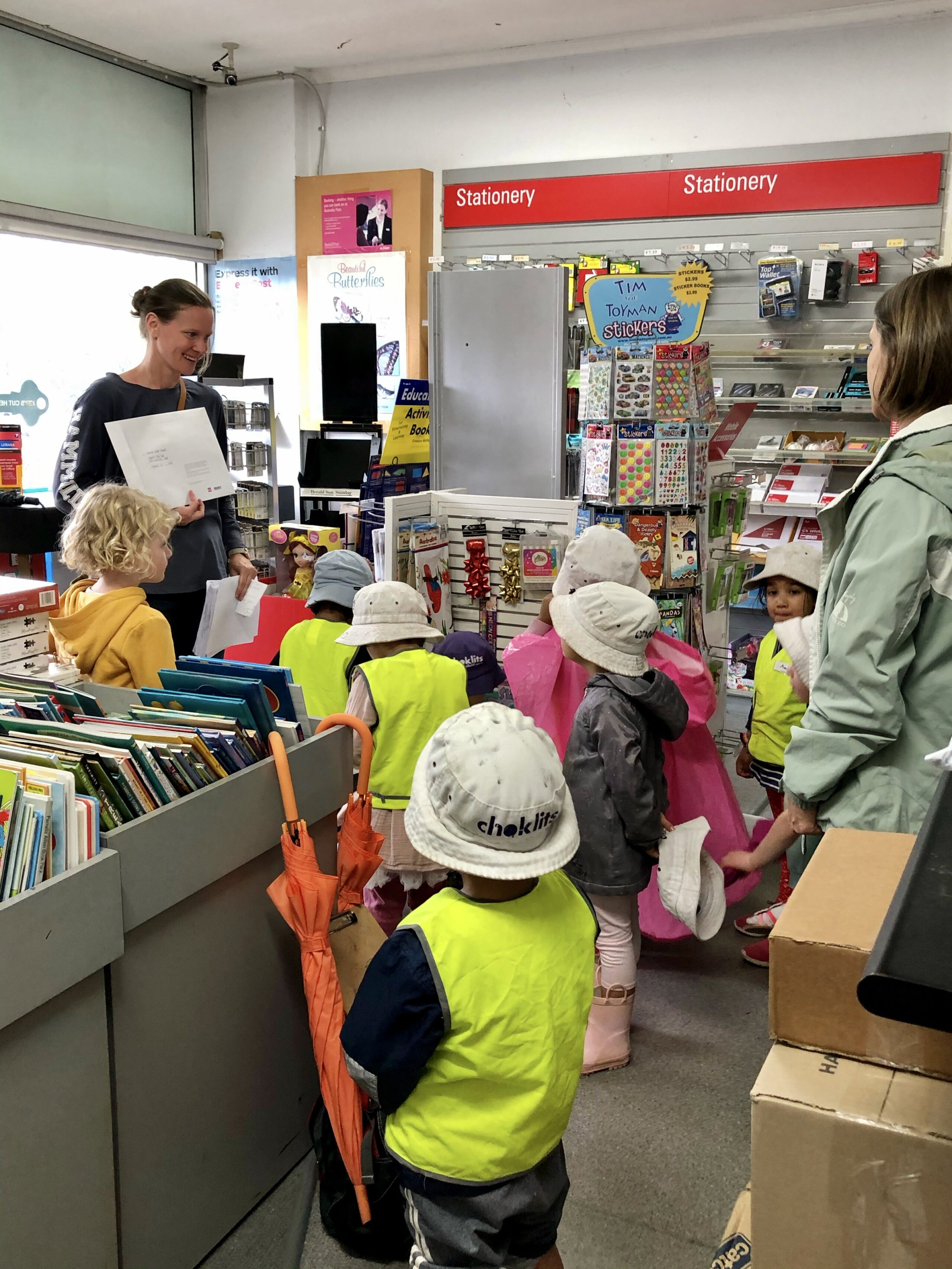
In everyday family life, we often only go into the post office momentarily on the way to and from other activities, which leaves little time for learning experiences or exploration of the environment. Taking the time to turn it into an excursion was a great opportunity for the children to learn more about post offices the people who work there and how mail works. This increases their general knowledge and understanding of the world around them, and they were very proud of the new things they learnt!
With collaboration at the forefront of many of Choklits’ projects, it’s no surprise to see it trickle down into the experiences and learning opportunities for the children.
“Collaboration; everyone in our community has the opportunity to appropriately contribute to everything we do and we involve others in our tasks because we believe in the power of many.”
By offering small group experiences (alongside planning for individual goals and achievements), we are able to include the theories of learning that lead to the best outcomes for the children. Opportunities for cooperation invite practicing social skills like taking turns with equipment, communicating your thoughts to those around you, negotiating roles and sharing physical spaces with others.
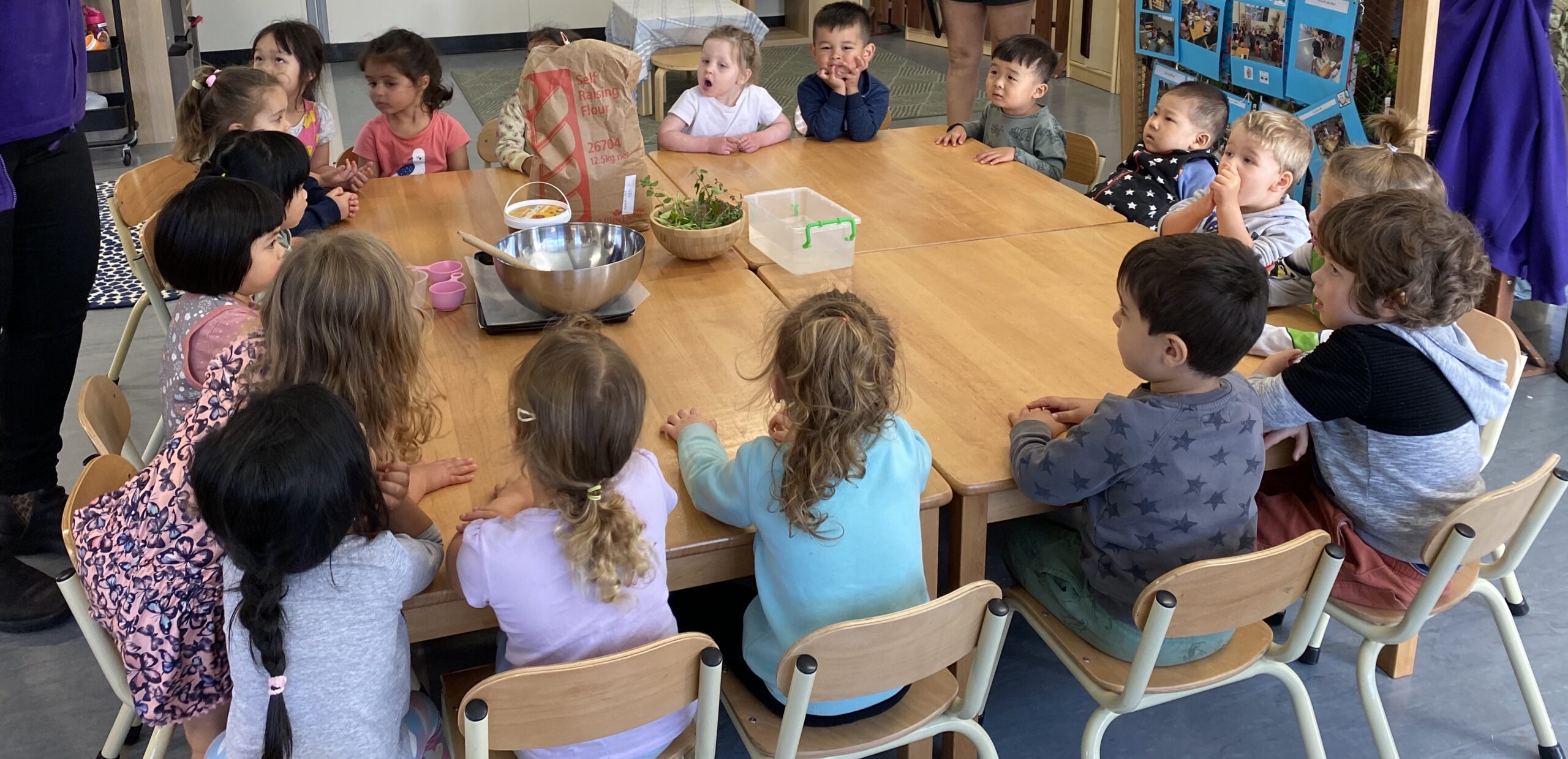
The educators are not the only learning guides in the environment; the children themselves are great supporters and instructors! This drives their individual as well as shared learning. Setting up children based on their individual skills and abilities allows them to take on the roles of learning from and teaching one another. Our knowledge of each child allows us to maximise the learning by pairing them with children who they can guide or be guided by.
This approach also utilises the strong relationships they have formed. If you’ve ever seen a group of young learners together, you’ll understand the observed need they demonstrate to connect with each other. They actively seek social ways of being and exploring the world with others!
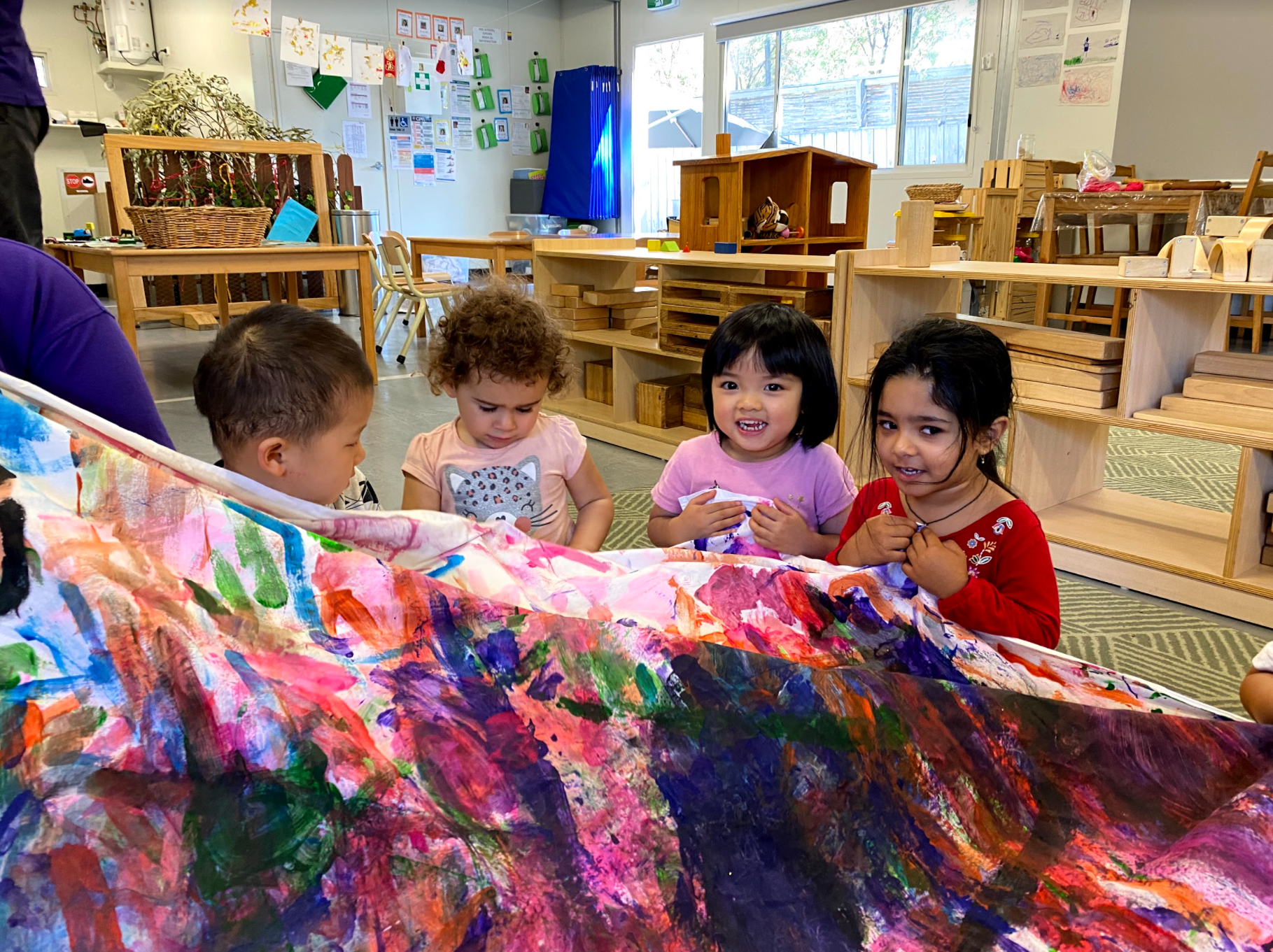
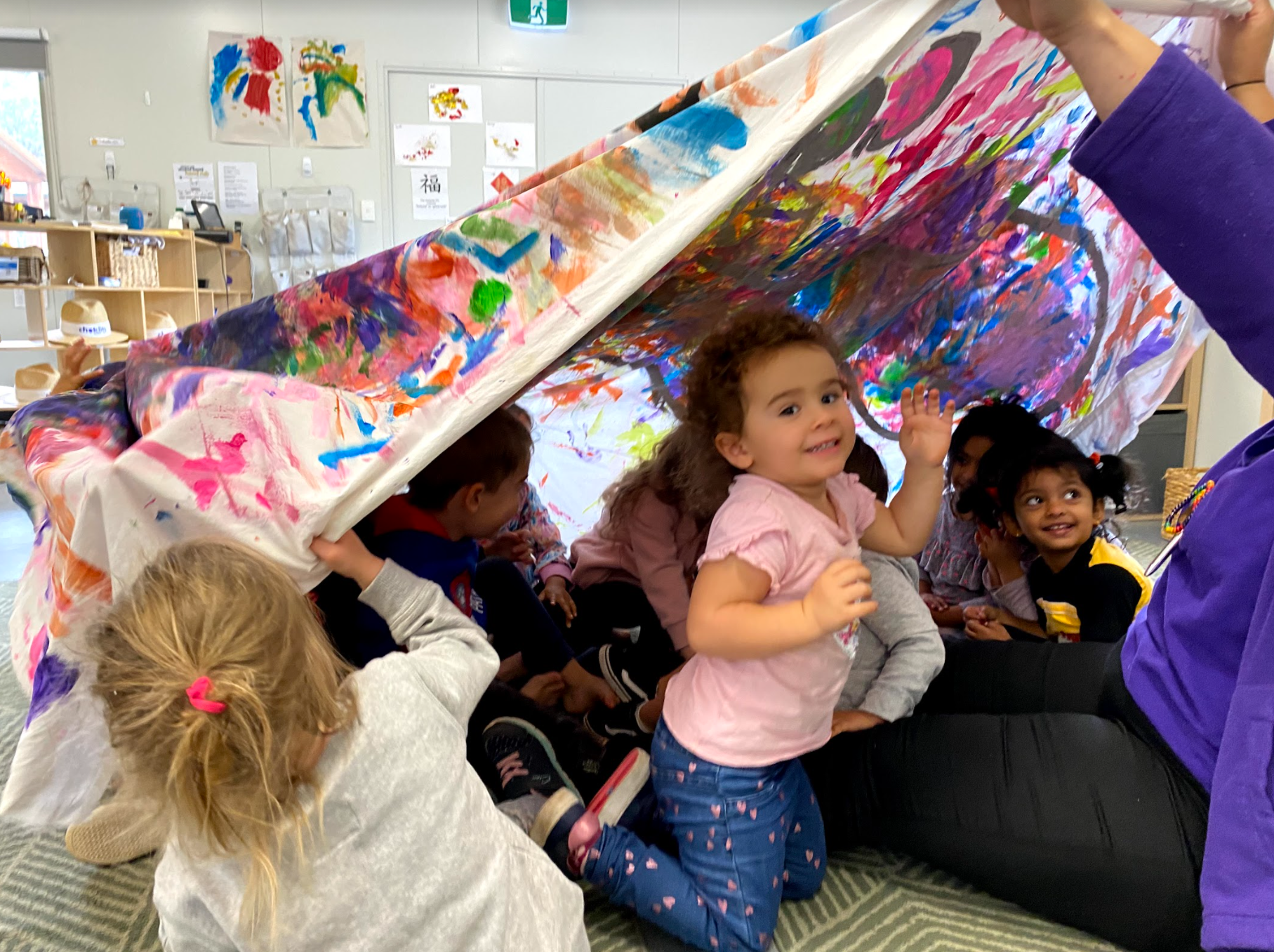
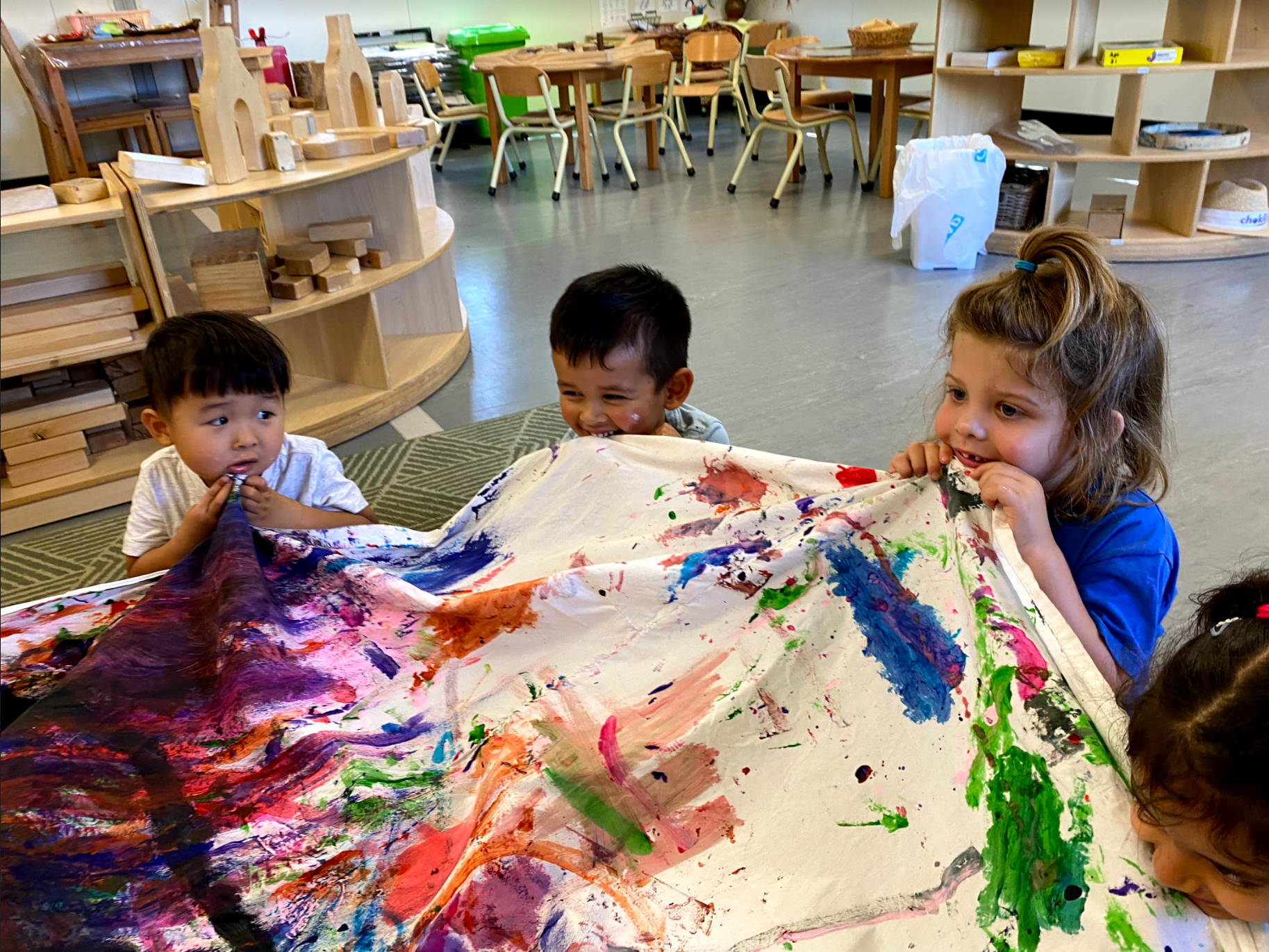
There is also a special pleasure in contributing to a common goal. As they work to achieve an outcome together, the children enjoy the shared benefit of making it happen with the efforts of many hands. The shared learning allows them to walk the journey together, and on completion, celebrate and take pride in their hard work.
Some of the projects in the Pre-Kindergarten room this year have included:
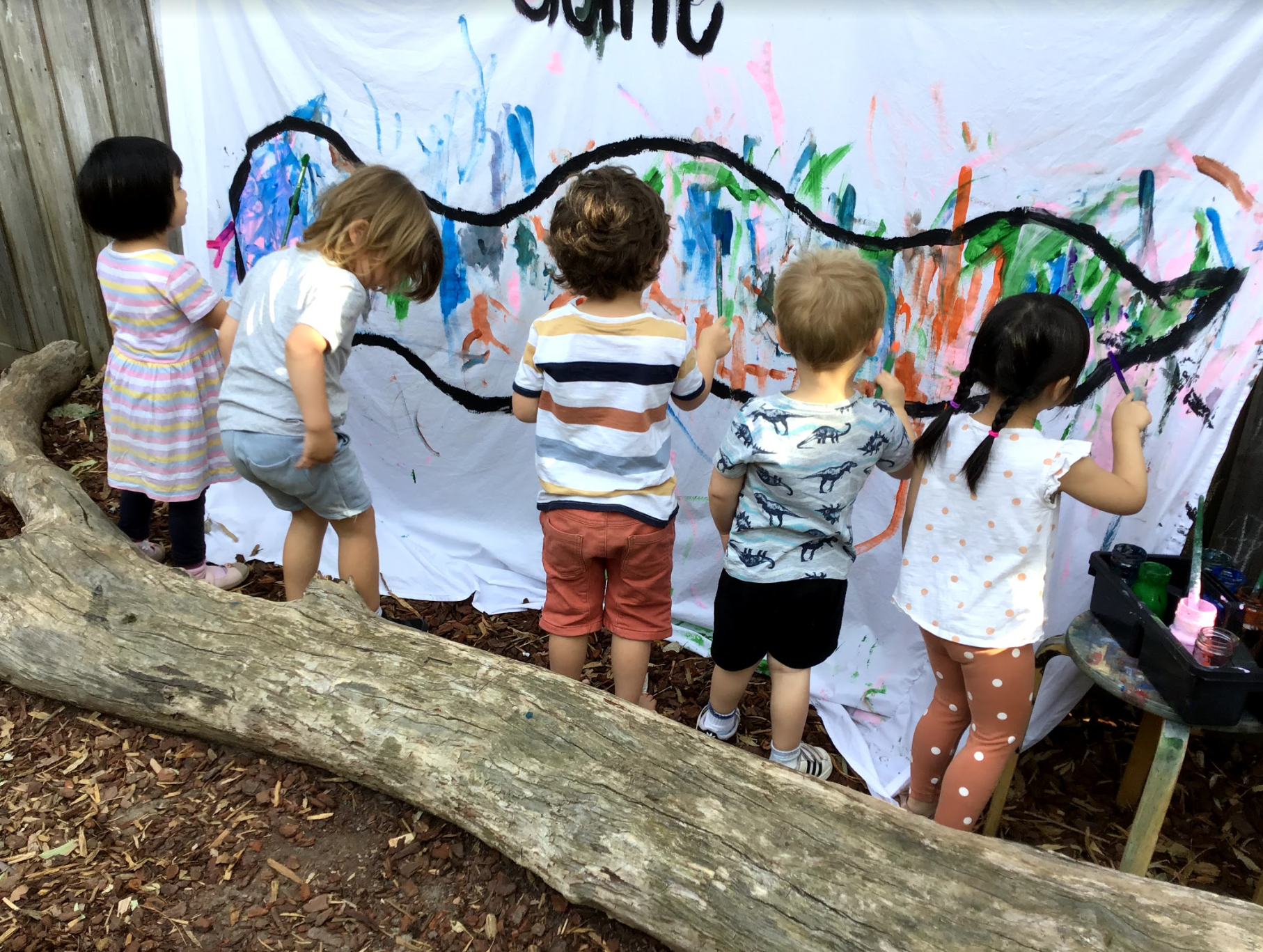
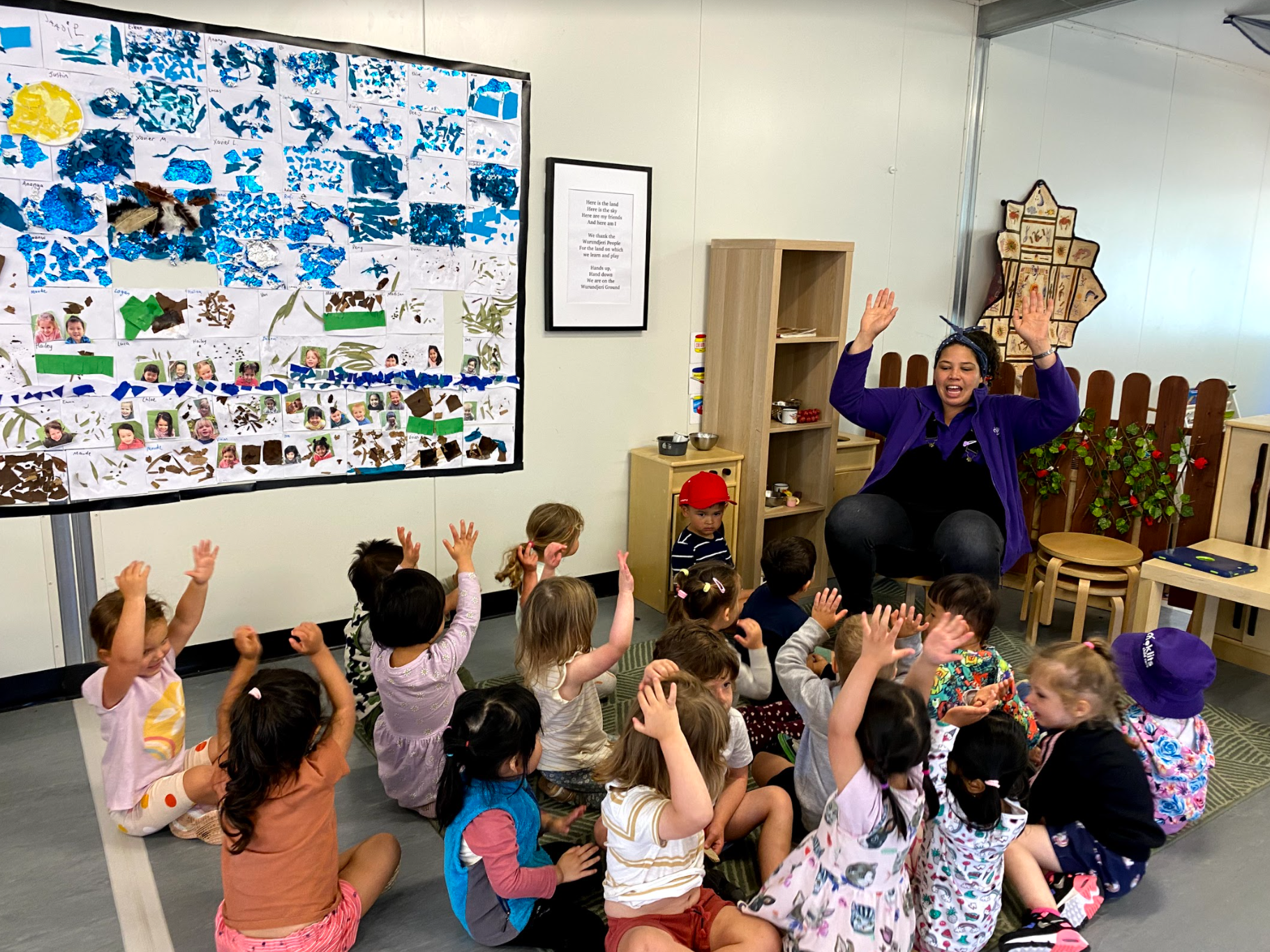
Both are proudly displayed and used within the learning program – and seem all the more sweeter because of the collaboration and pride in having created them together.
Author: Dee, Choklits Pre-Kinder Room Leader
Mothers and fathers are usually the most central people in children’s lives, and Mother’s Day is a fantastic opportunity to recognise, celebrate and appreciate the things that mothers do and the people they are.
At Choklits Child Care, Mother’s Day is one of our favourite events to celebrate and is usually a top pick amongst the children too! We also make a fuss of fathers on Father’s day and have a special grandparents day (COVID permitting) at Choklits as well which is usually quite a hit.
Mothers are so very special, so it’s really important that we celebrate them. We love talking with the children at the Choklits about their Mums, and the things they love most about them, and the kids love to show how much Mums matter to them and this was demonstrated in the effort they made in creating this year’s Mother’s Day gifts.
Craft is a much-loved activity of educators and children alike at Choklits Child Care Centre, and we thoroughly enjoyed incorporating it into our Mother’s Day gifts this year. Arts and crafts provide excellent opportunities to develop creativity, individual self-expression, hand-eye coordination, fine motor skills, colour recognition and naming.
The Mothers Day craft activities varied by age group, and we had several gift ideas, with a range of skills being put to use.
Some of the children who come to Choklits Child Care Centre are very young, and come to the centre five days a week, so from a practical standpoint we recognise that it can be really difficult for parents to prepare for Mother’s Day when they are working all day, so Choklits play an important role to help out here, as well as helping all our children to learn through these experiences.
These included two types of ornaments, one of which was made with a soft dough. The soft dough was a favourite with the children enjoying experimenting by squeezing and poking the dough to change the shape and also immersing their fingers to explore the different texture. They used heart-shaped stamps to make an impression in the dough and then painted their ornaments once they had set, and, of course, added glitter as well.
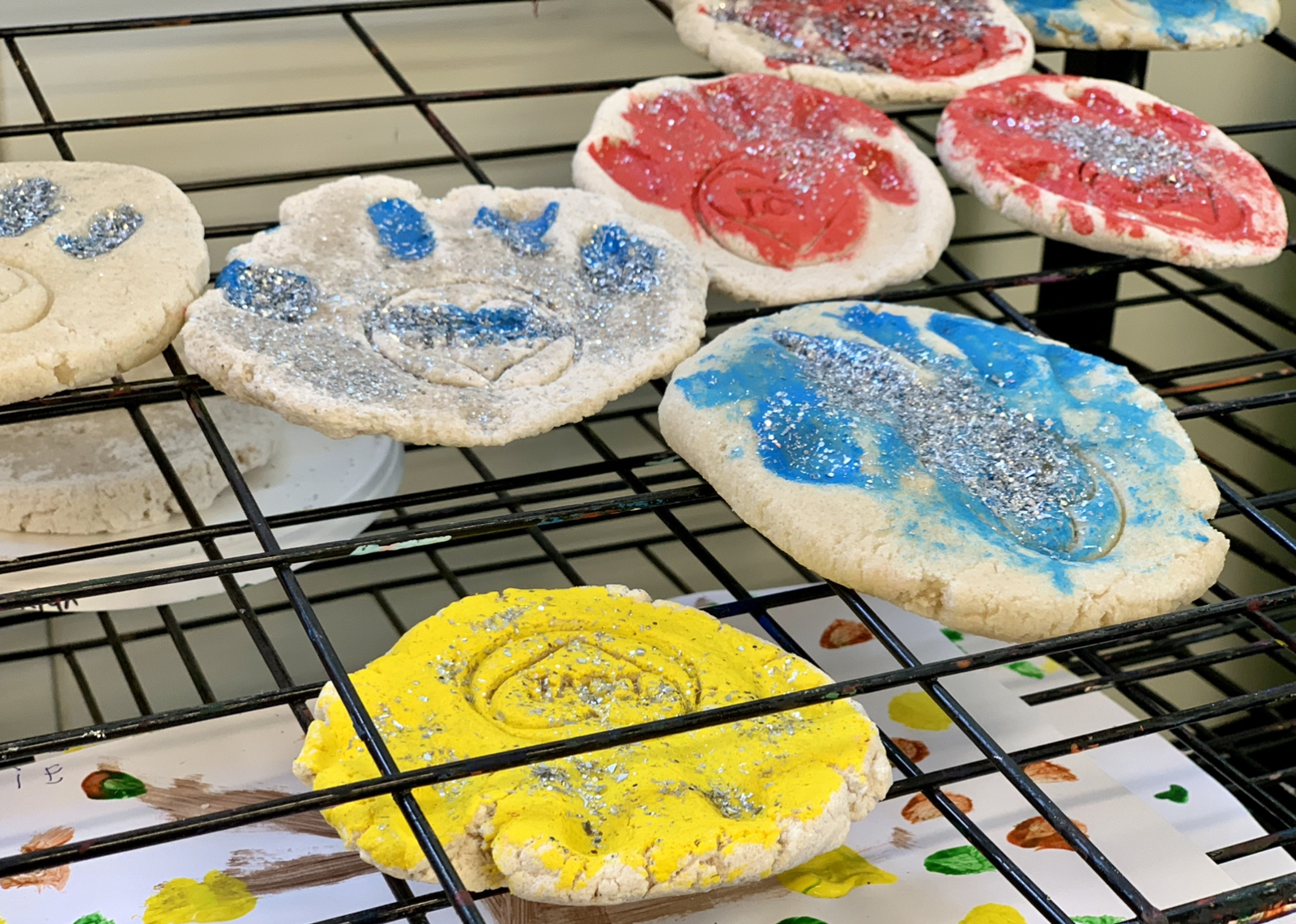
Jodi, our nursery room leader and educational leader led the youngest children through their gift making. They made hand-print ornaments, which involved placing their hand in a tray of paint and then onto the flat ornament to make their handprint, and naturally adding glitter after it had dried. Glitter is really popular with our kids, maybe because it is so messy! Lots of the children particularly enjoyed interacting with the paint in different ways and were excited to use their fingers and the paintbrushes. Look at the concentration in the photos below!
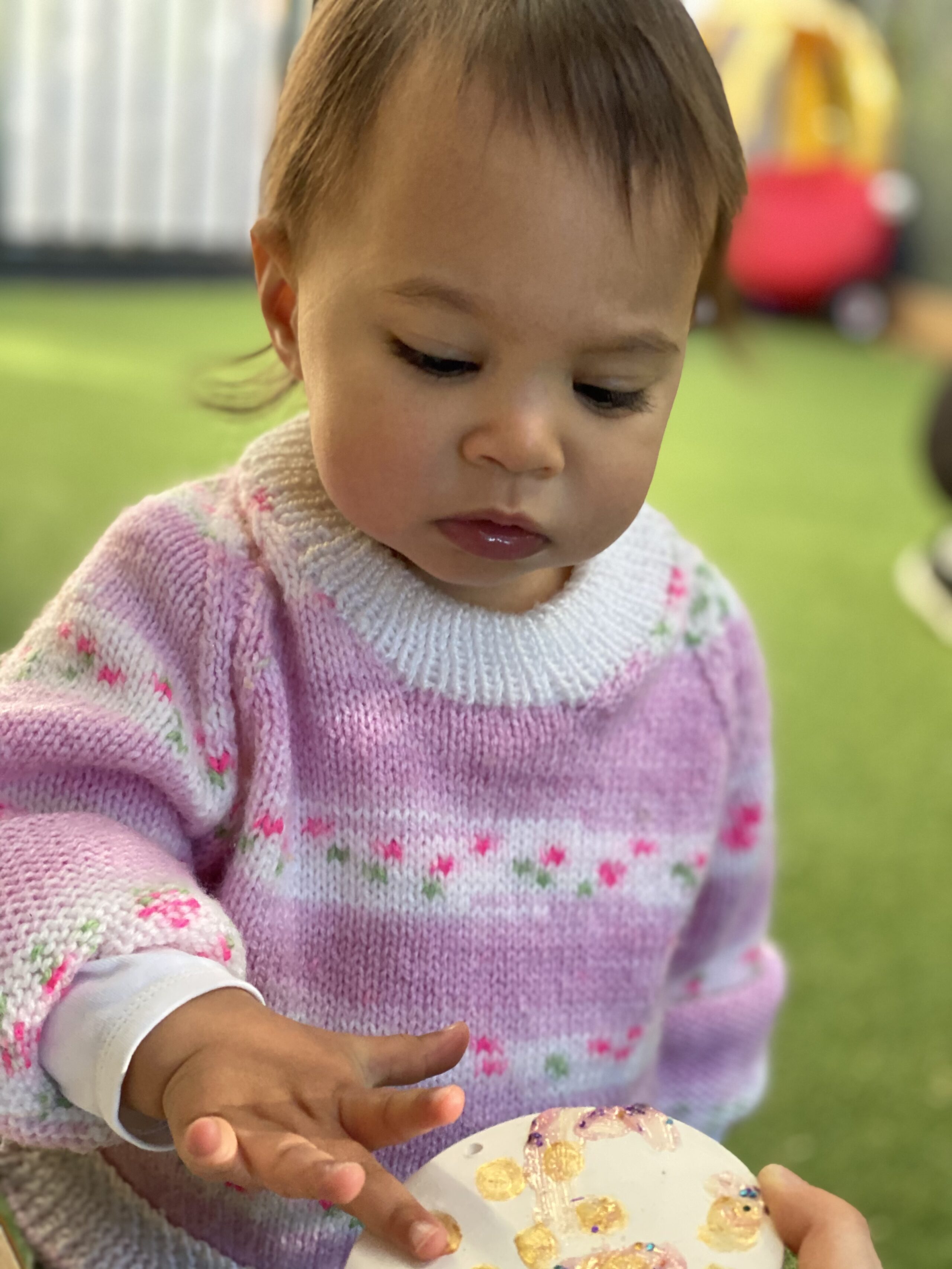
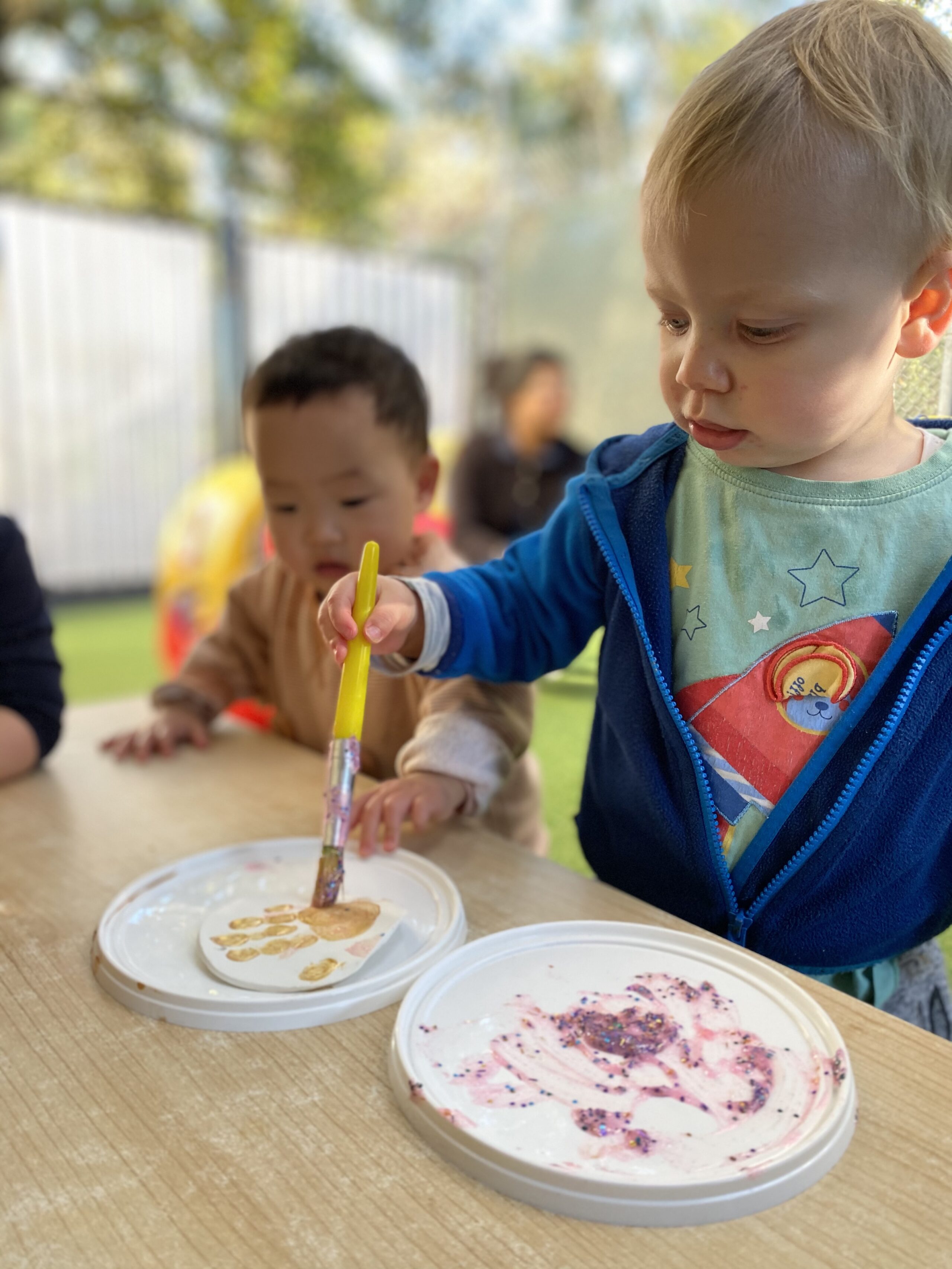
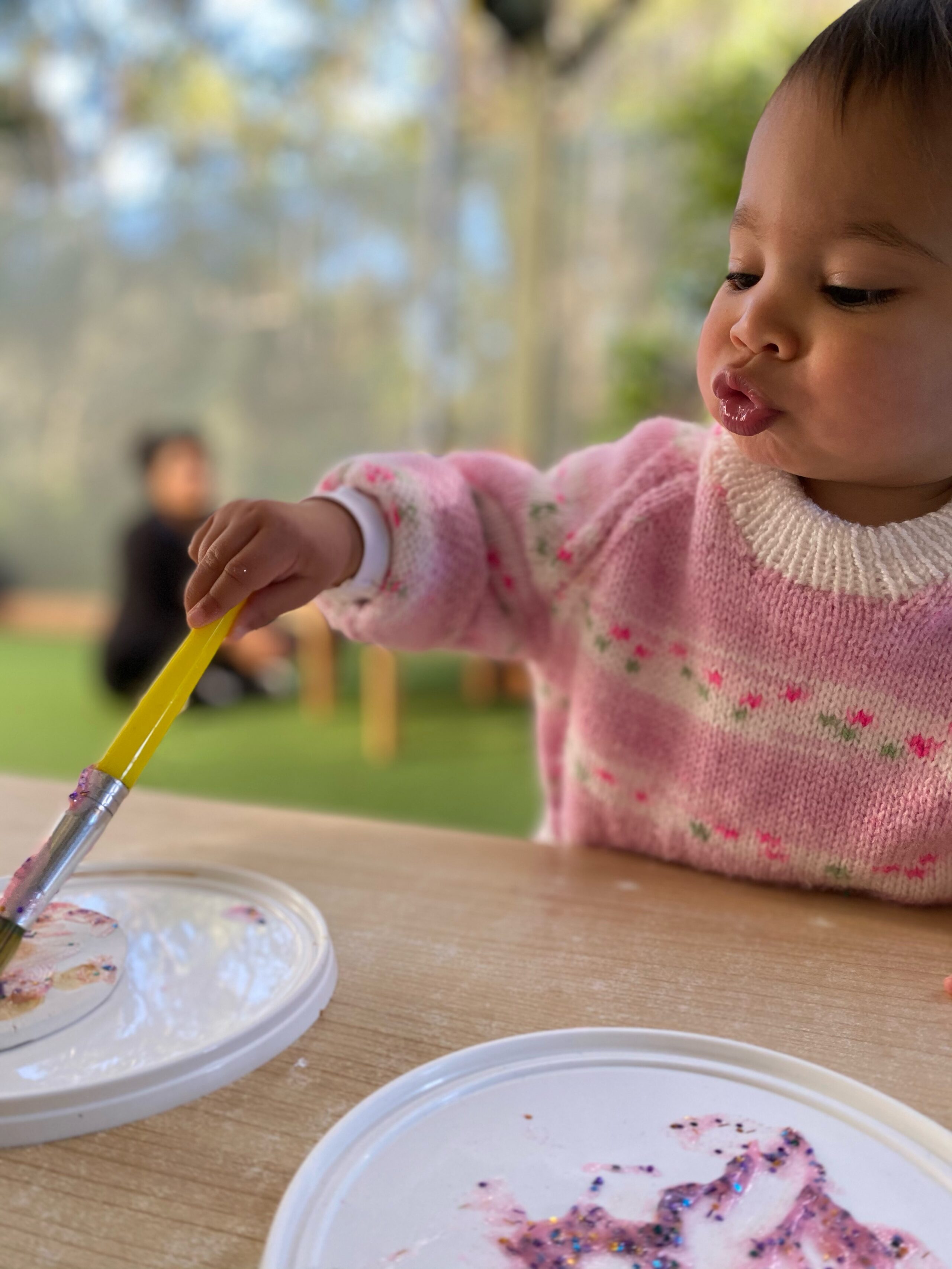
The children also made cards for their Mums using the stampers, which their educators helped them to write a message in. The educators then packaged up the gifts for the children to give to their Mums at our Mother’s Day afternoon tea.
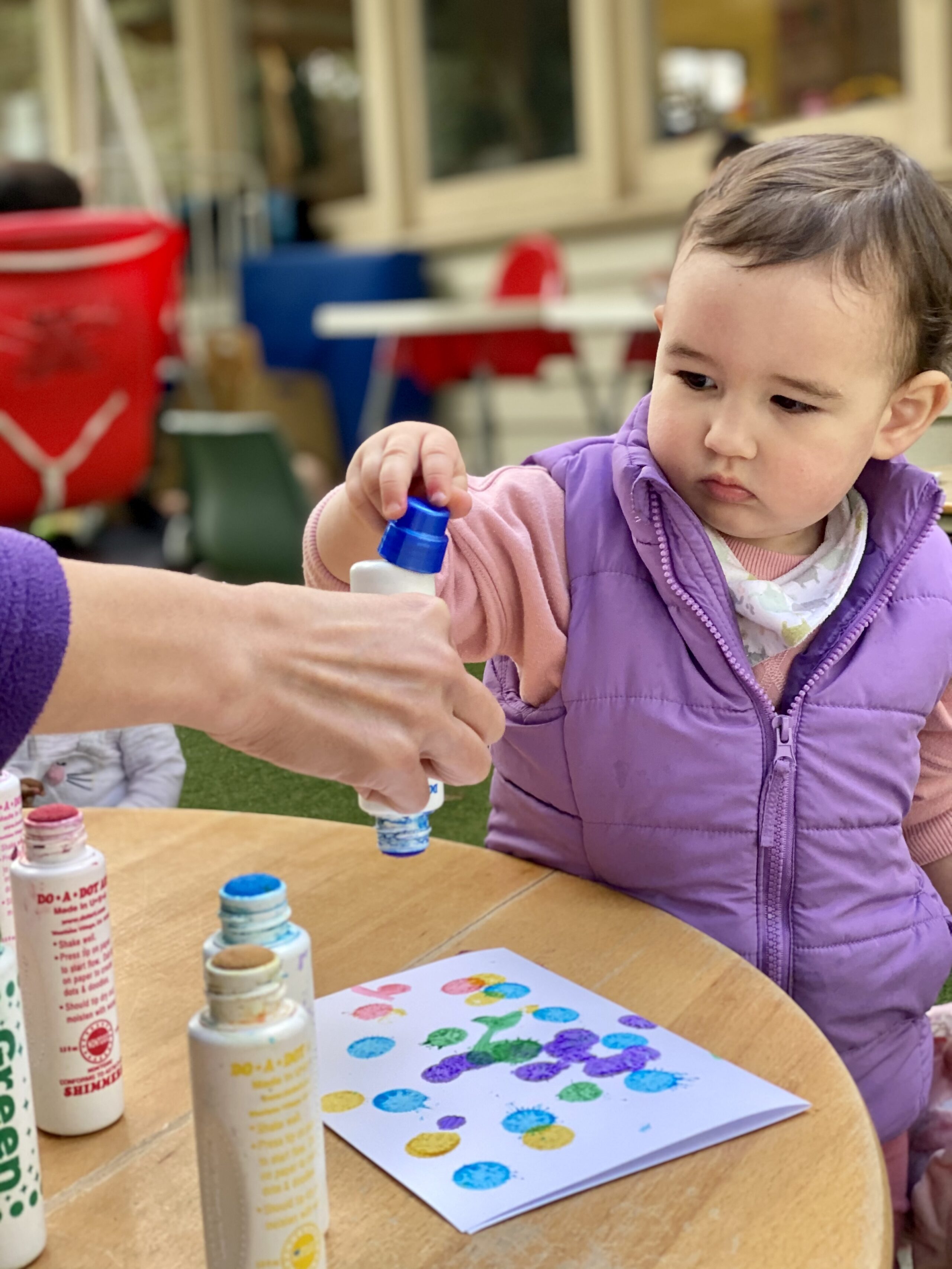
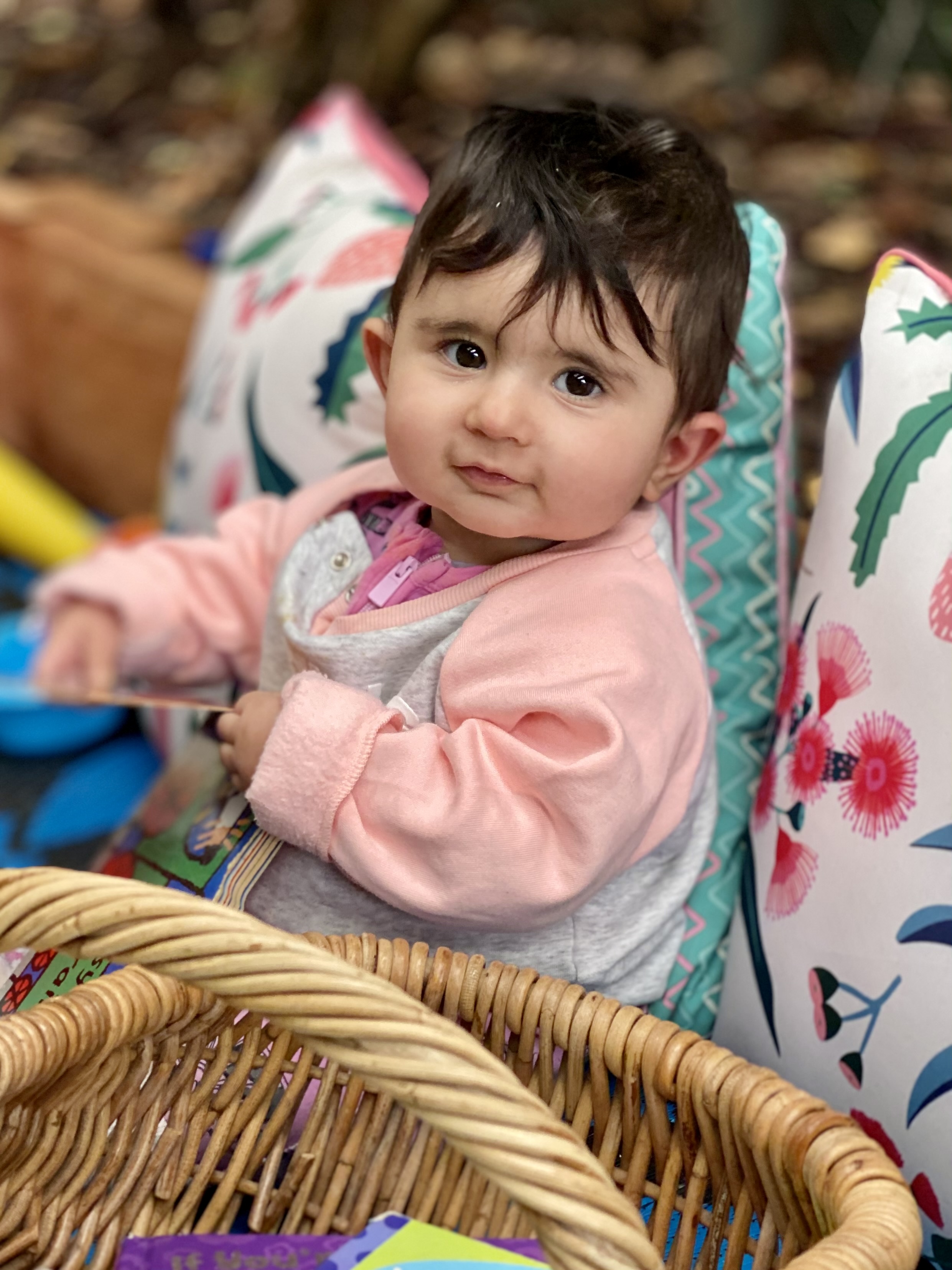
In the nursery, it’s all about developing senses when we do craft. As many of these children are very little and not necessarily talking yet, we focus on talking to them about the activity, so they become familiar with the words and materials. We talk a lot about the different senses because its something that they can connect to and understand. When working with the hand printing, we look at how the paint feels on their fingers, whether it tickles or might be cold. We talk about the different colours and affirm their choices with the colour name.
Some children really enjoy the sensory aspect of paints, while others are more apprehensive. The positive relationships they have with the educators in combination with talking about the process really helps them to be become more comfortable participating in these types of activities.
Activities like these are setting kids up for their future years as they become familiar with things like paints, the different colours, textures and feel as well as becoming more open to new experiences.
Community is really important to us here at Choklits Child Care Centre, and getting people together as often as we can is one of our favourite ways to connect. We celebrated Mother’s Day with a special afternoon tea, where parents were able to collect a prepared snack box and spend time with their children participating in activities out in the garden.
We are thrilled to say that we had a fantastic turnout for this event, which is wonderful for a number of reasons. Having time to spend with your child in a structured environment, particularly outside of the home is hugely beneficial, as well as being able to watch your child interacting with their peers, educators and other parents. It’s also a great opportunity for our parents to feel part of the wider Choklits community and build connections with other families.
We certainly see that many of the children here get together outside of Choklits on the weekends and many parents are good friends, so events like these are really important for the social aspect they provide, particularly for parents who aren’t as yet in the local community as it introduces them to those who are.
We also took some wonderful pictures of our Choklits children with their Mums which turned out beautifully! The addition of signs and silly glasses was lots of fun. We love to be able to give parents mementos like these to remember special moments like Mother’s Day.
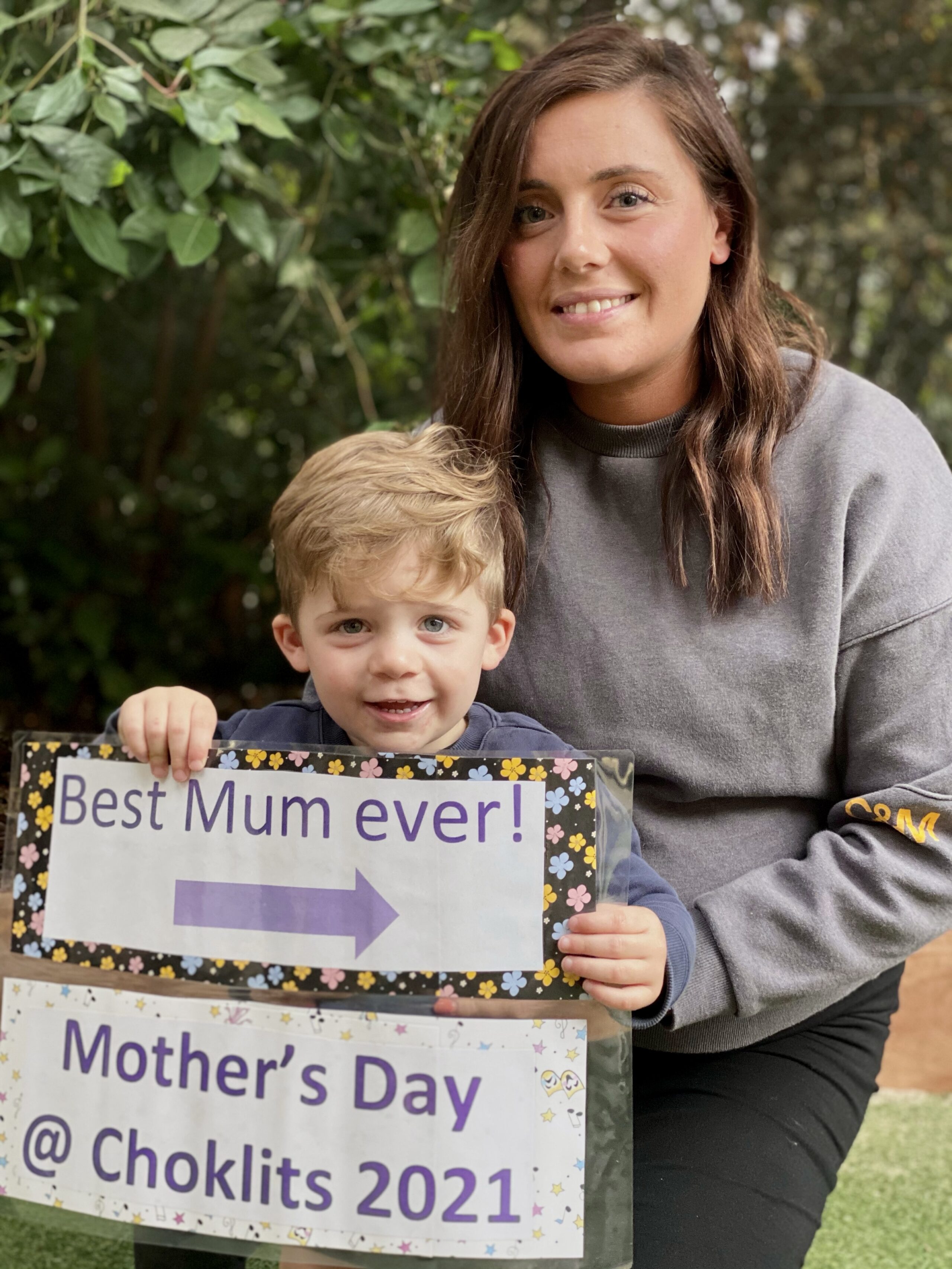
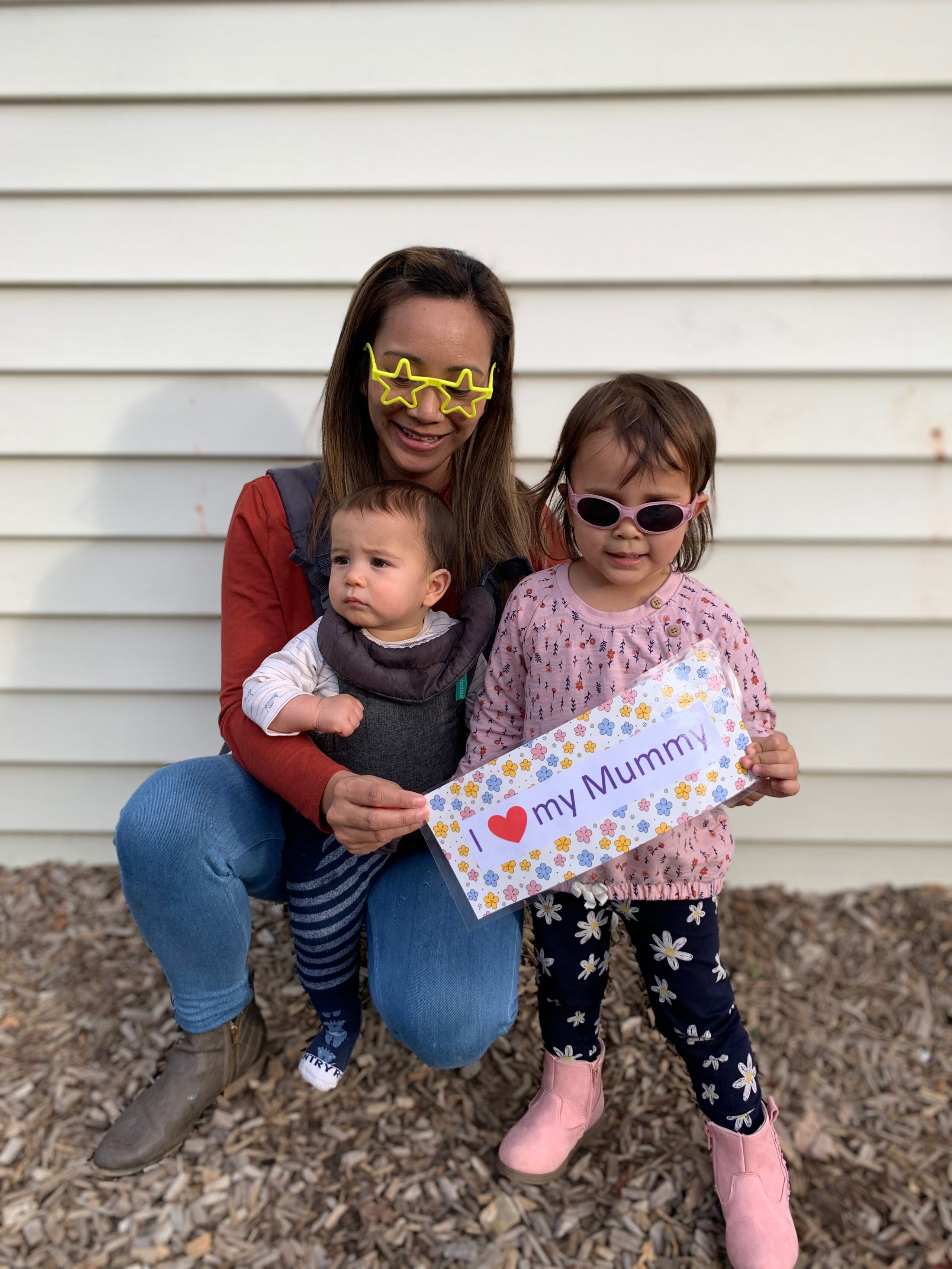
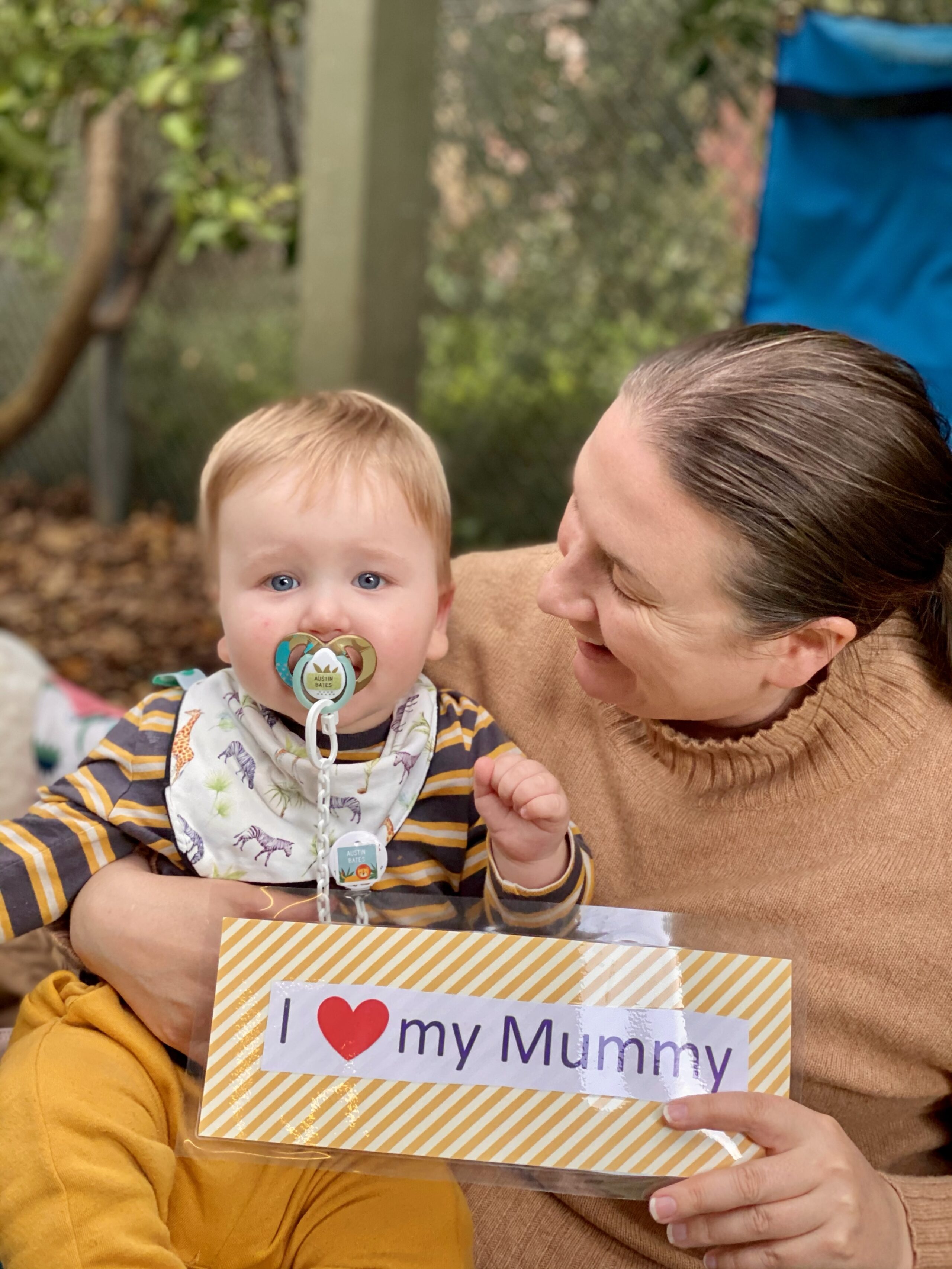
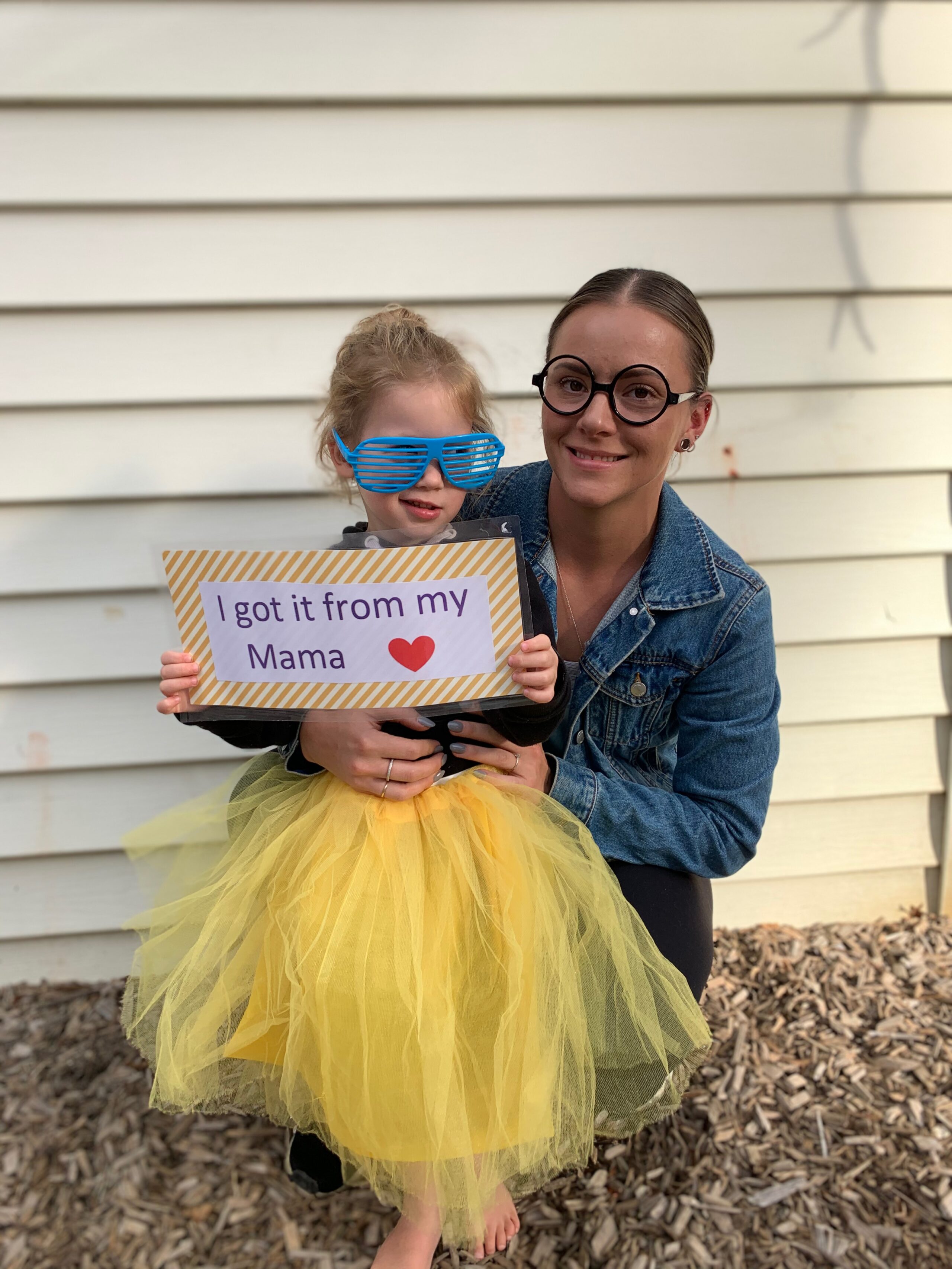
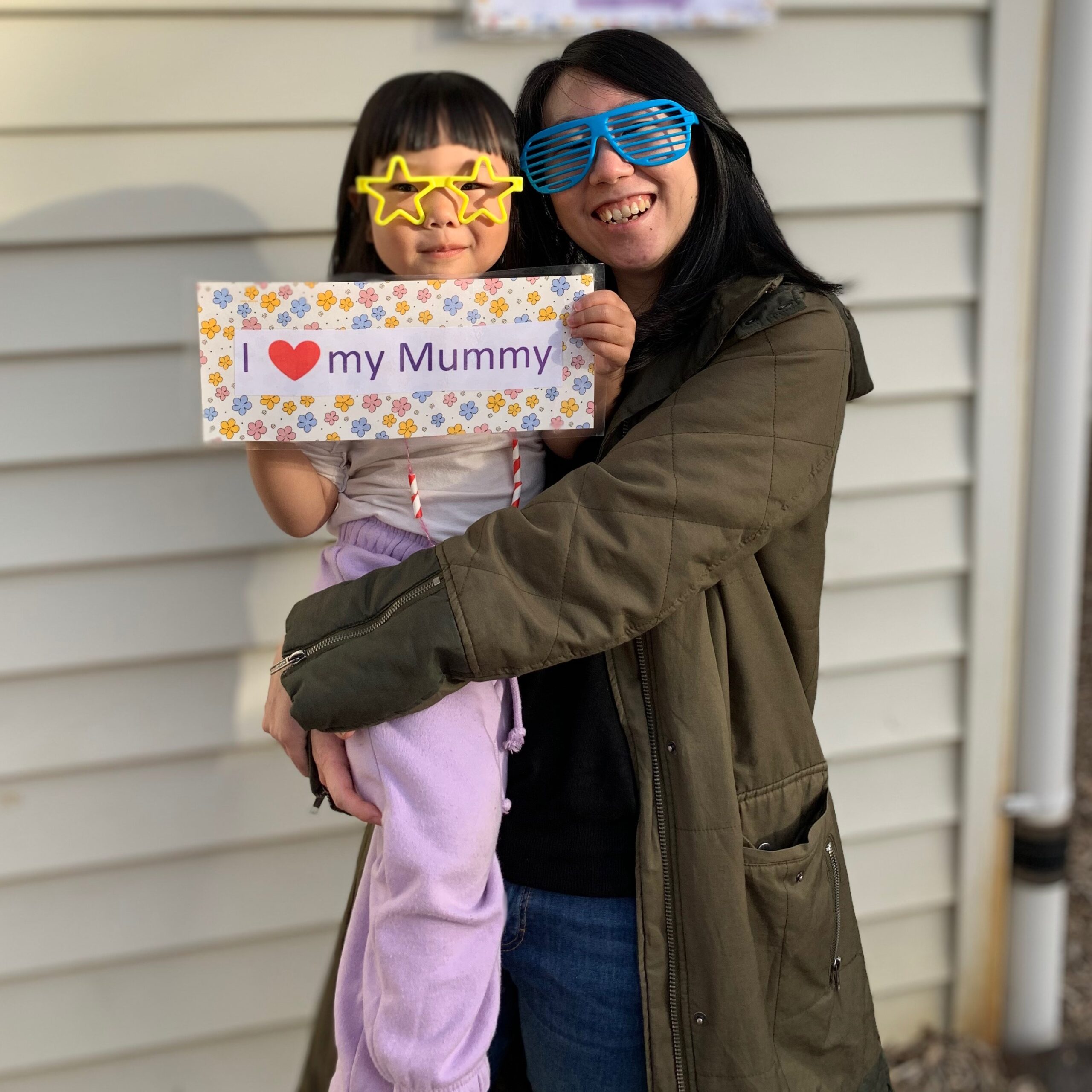
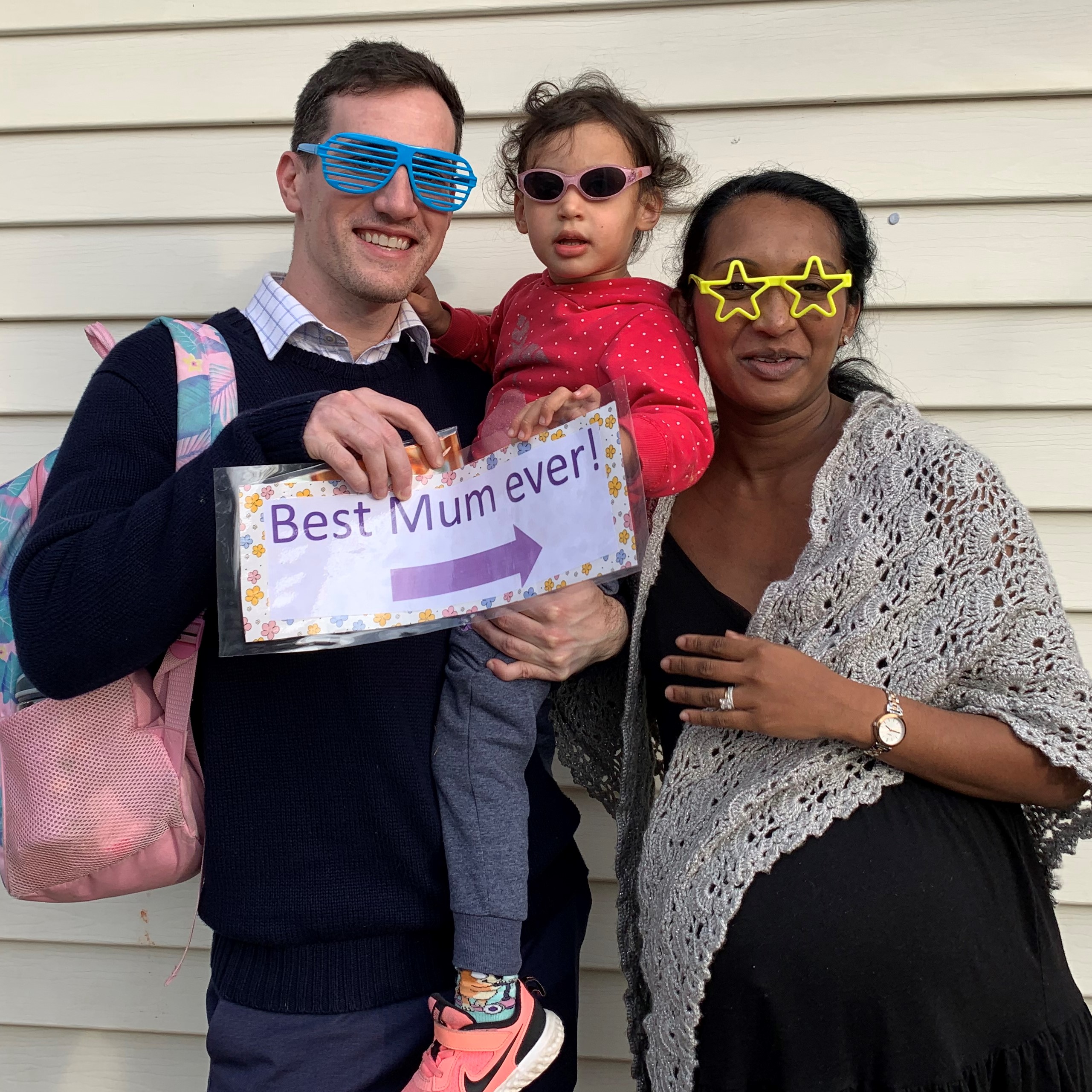
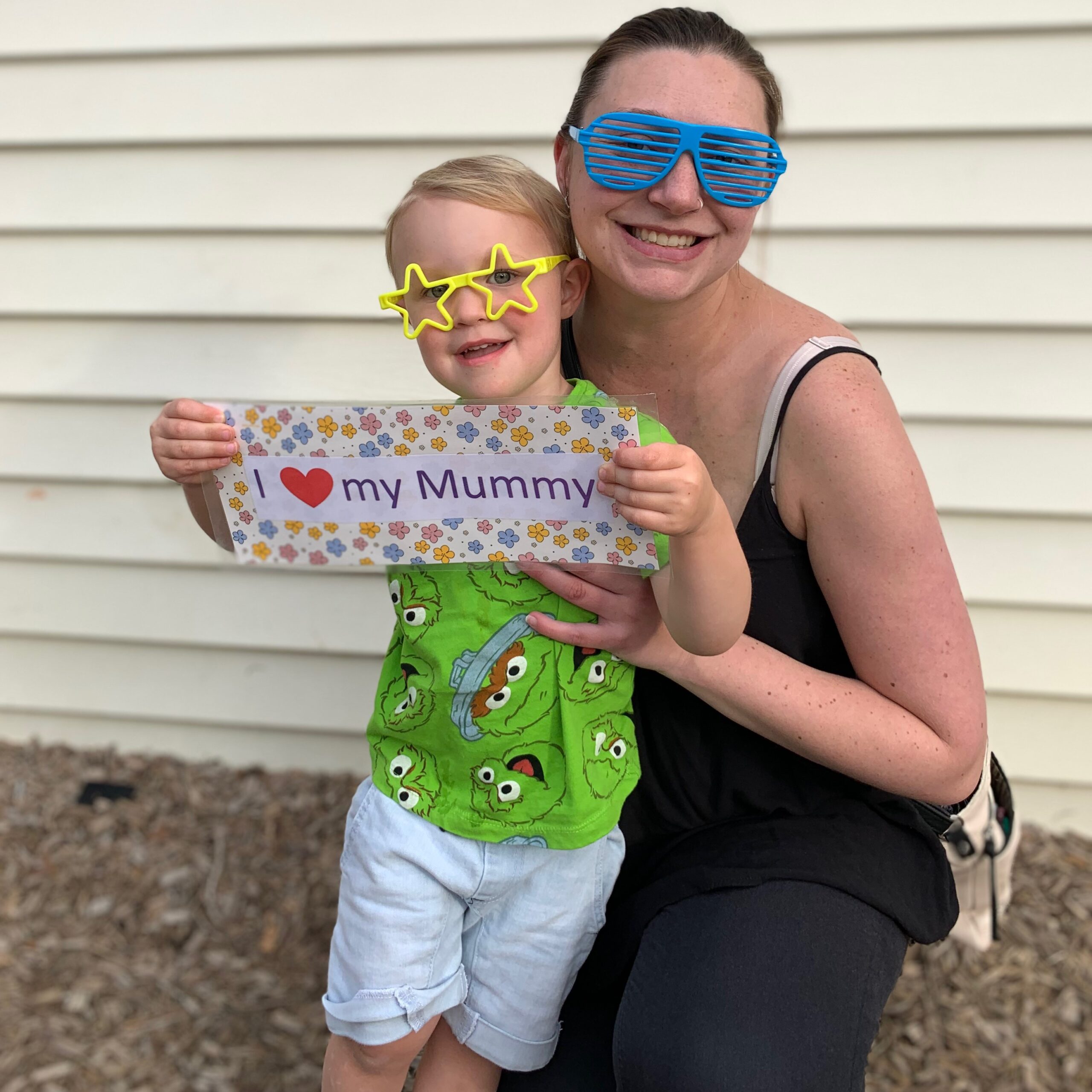
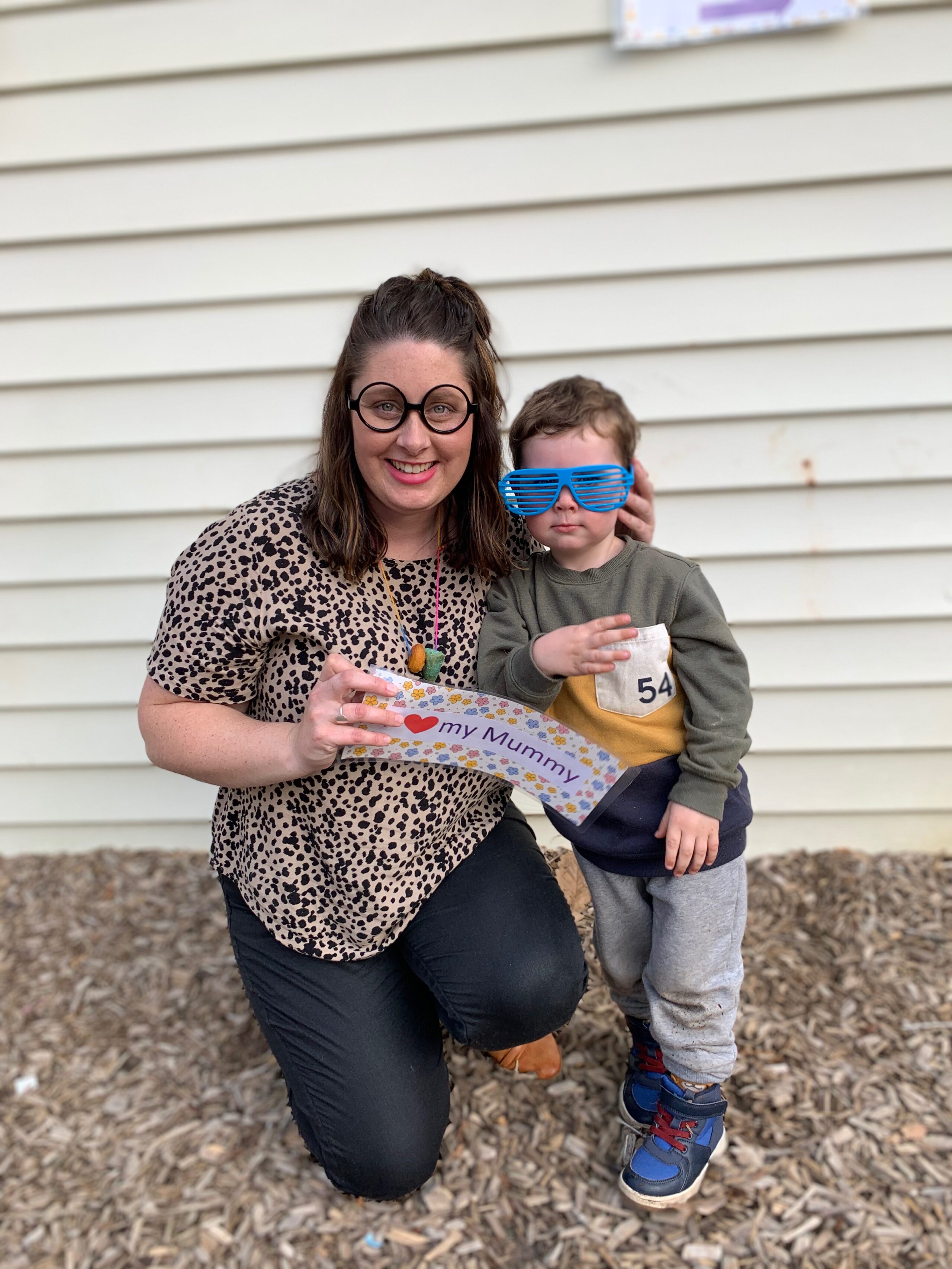
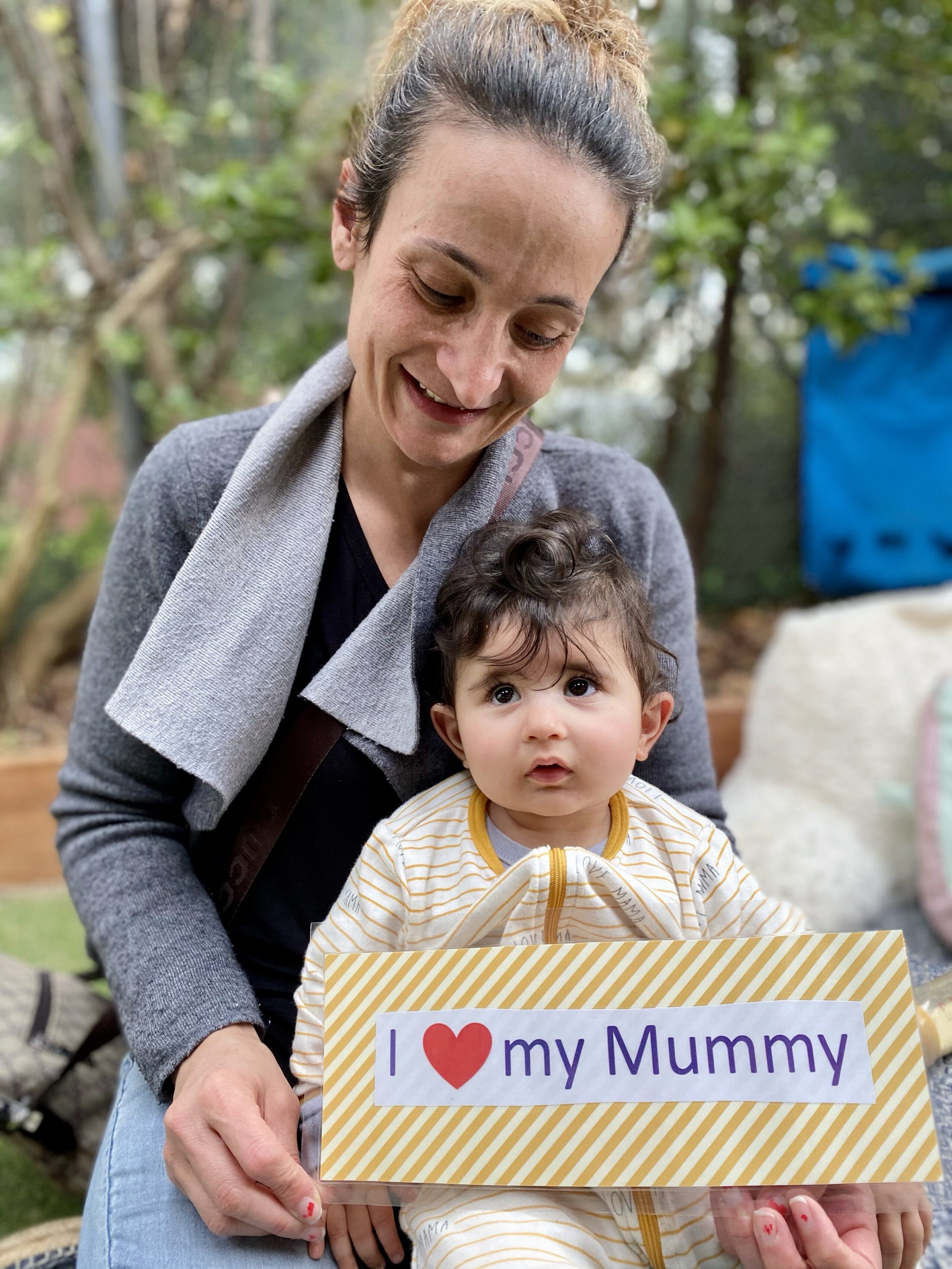
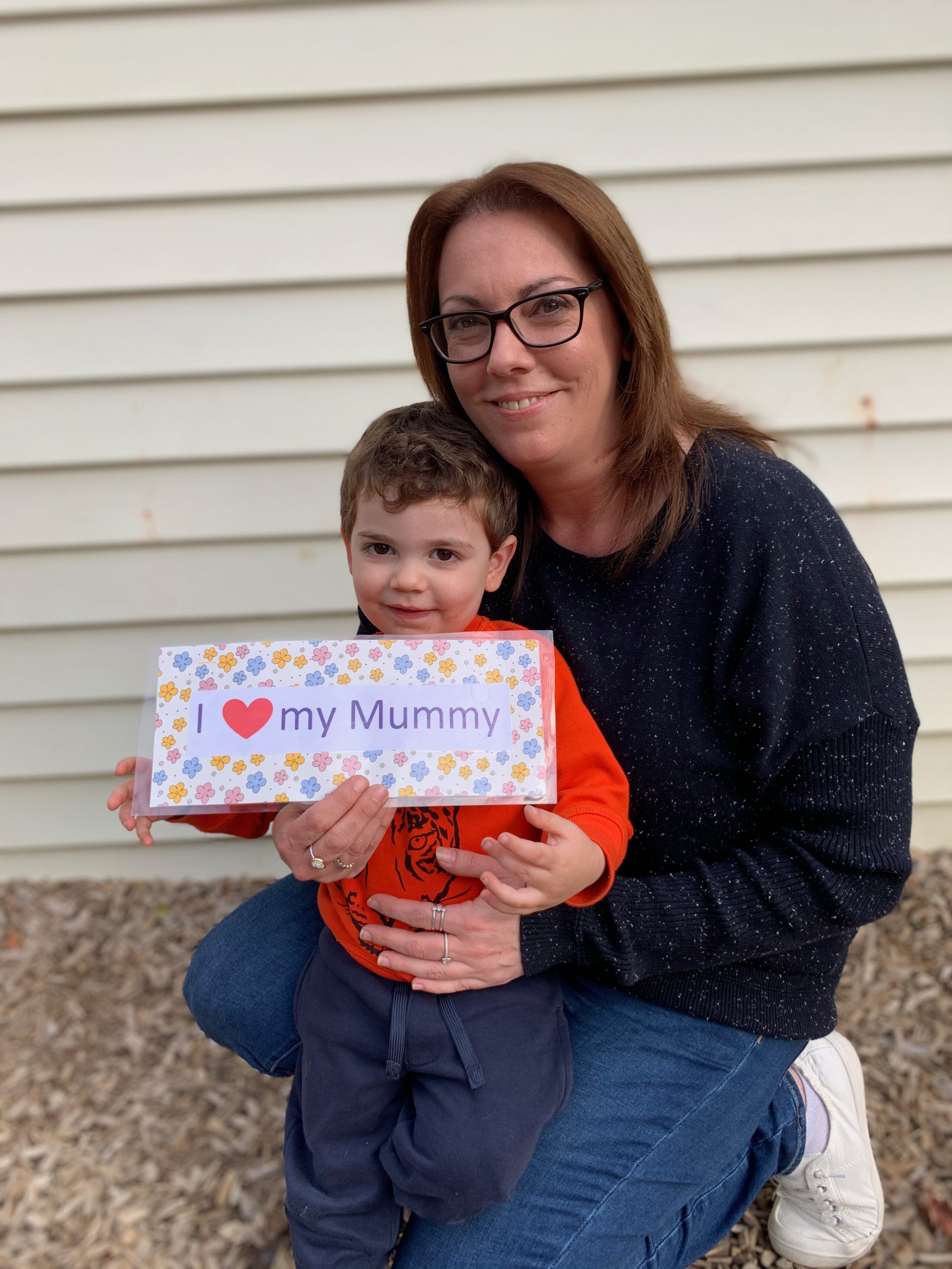
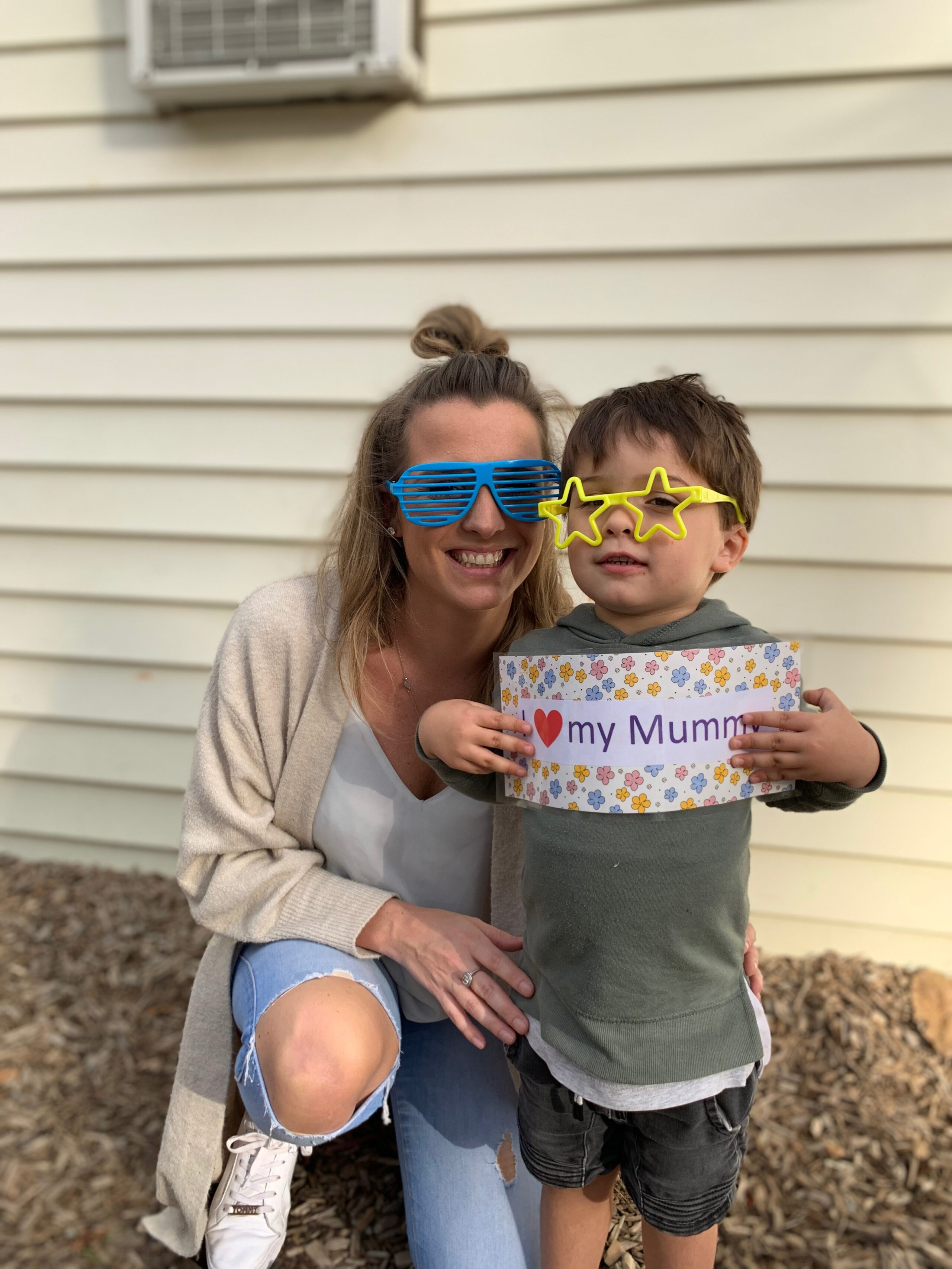
From the bottom of our hearts, thank you Mums! You are wonderful, incredible people and we’re so glad to help play a role in raising your brilliant kids. We hope you enjoyed your gifts and keepsakes. Happy Mother’s Day!
Our aim at Choklits Child Care is to nurture and educate children to help shape them into kind, happy, empathetic and confident individuals. Events such as ANZAC Day, which are significant in the community, hold a special place in our hearts not only for the people they represent but also for the learning opportunities they provide. As children begin to notice and ask questions about these significant moments we begin to weave these events throughout our program to create a strong basis for learning and foster a sense of belonging and understanding in the children.
This year we would like to share with you how ANZAC Day was incorporated into the program for our three to four-year-olds by pre-kindergarten lead educator Dee.
Our learning about ANZAC Day began the week earlier, where we discussed the activities we would engage in the next week and read a book about ANZAC Day. Introducing a concept in this way prior to the event builds a strong foundation for future learning by developing familiarity with new ideas.
Initially, the children’s understanding of ANZAC Day was very broad, with some children having an idea of poppies and perhaps that they were linked to ANZAC Day, and others having cooked or eaten Anzac biscuits before but not knowing what the day was about.
ANZAC day commemorates the landing of the Australian and New Zealander soldiers at Gallipoli in World War I. Obviously, war is a very confronting and devastating subject, so it is necessary to soften the horrific nature of this event when discussing it with children. Thus, for our learning, we focused on the themes of appreciation, gratefulness and understanding of sacrifice through two main activities; making Anzac biscuits and creating poppy collages.
To begin with, Dee led a conversation about how the soldiers who were fighting for the country had to be away from their families, which is a level that children can relate to, understand and empathise with to develop emotional understanding. Dee asked the children to imagine if they went away from their family to an unfamiliar country to encourage them to think about how they would feel in that situation. They recognised emotions such as sadness, loneliness, fear and worry.
While we were baking the biscuits, we spoke about the story behind them. Anzac biscuits were made in a way that could travel well without breaking down, so they could be made in Australia and sent to the soldiers who were away at war.
We discussed how the biscuit was a small piece of home in an unfamiliar place, and was a way for families back home to send a gesture of love and well wishes to their loved ones. This led to conversations about how the biscuit would be comforting to a tired, hungry solider, and the children articulated they would feel happy and loved if they were far away from home and someone sent them a biscuit.
This emotional understanding of the significance of ANZAC biscuits was the key idea of the activity, and we were really proud of how well the children were able to empathise with something so far outside of their lived experience.
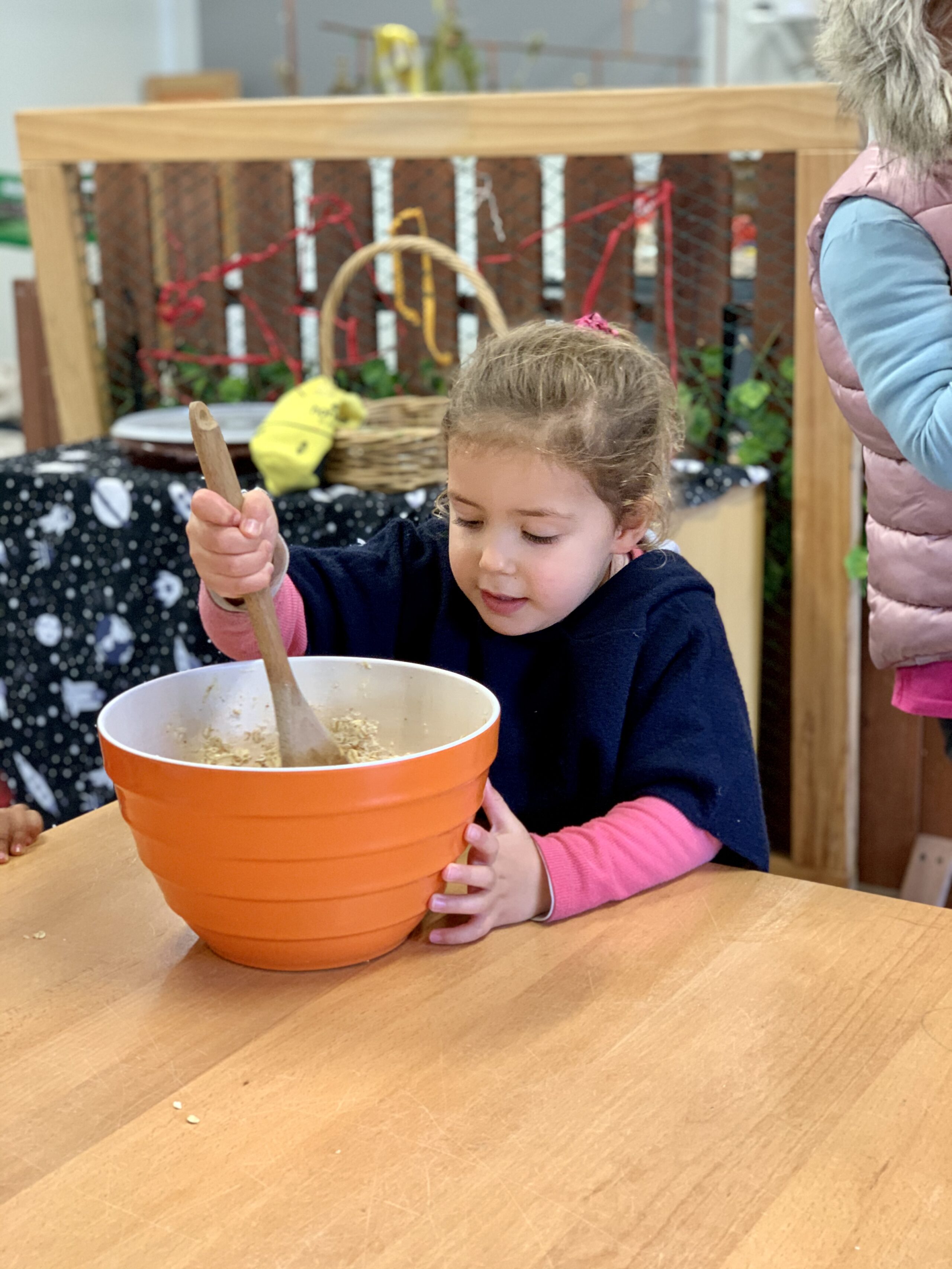
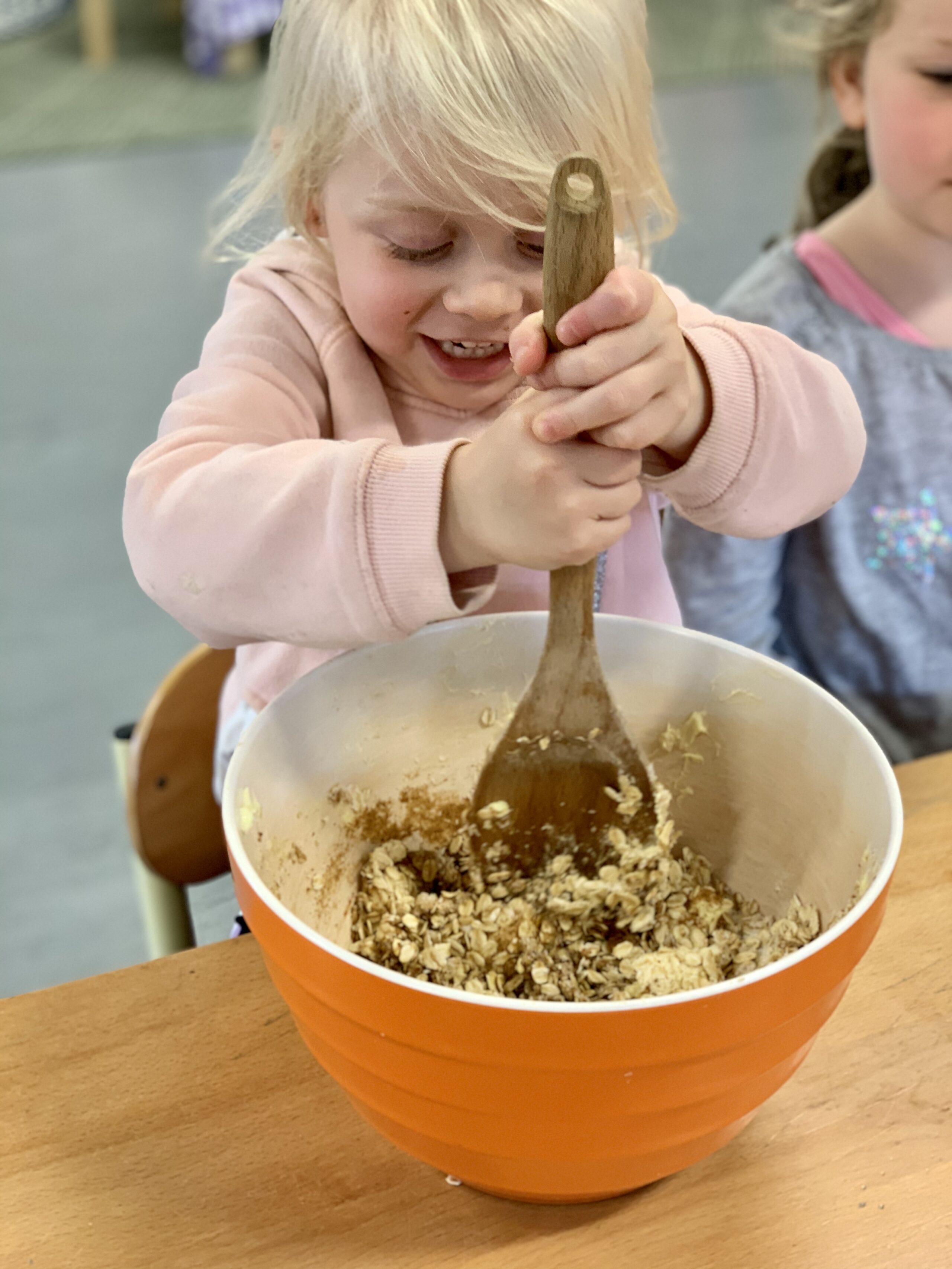
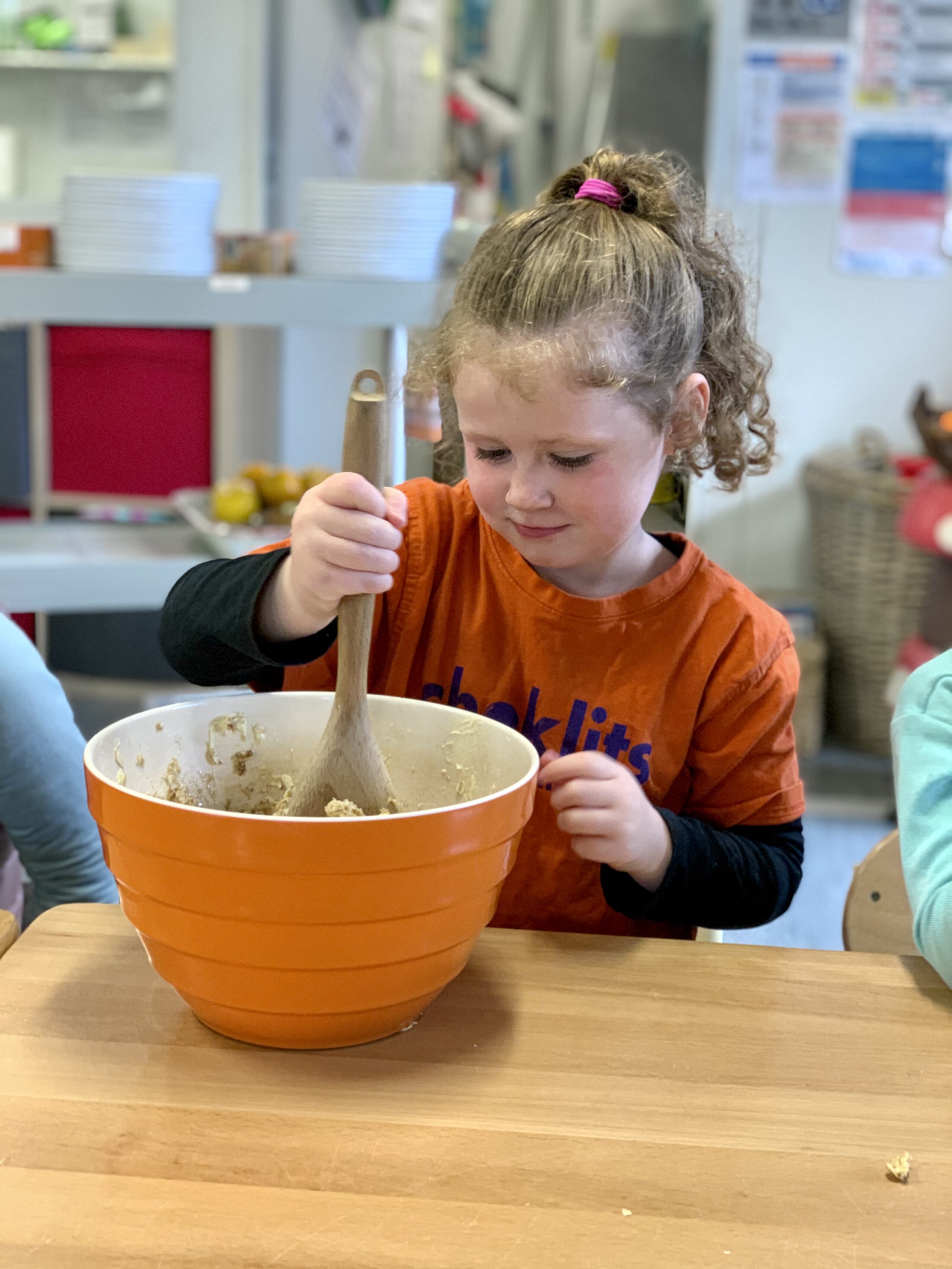
Making the Anzac biscuits was also a great opportunity to practice skills such as following instructions through following the recipe and working on controlled motor skills when mixing the dough and rolling it into balls to be baked.
When introducing a significant event like ANZAC Day, constant conversations and reinforcement of the key themes are vital. Afterwards, while we were eating the delicious Anzac biscuits, we took moment to appreciate the freedoms we have today, such as being able to play at the park, being able to go to kindy and learn and being able to enjoy Australia the way it is today because of the actions and sacrifices of the soldiers and their families.
To set up this activity, Dee explored why poppies are significant in understanding and acknowledging events like ANZAC Day. For children, symbols like poppies make learning rich and meaningful, and plant the seeds for future learning when revisit the idea on November for Remembrance Day.
At Choklits Child Care, we love arts and crafts, and this activity was particularly special because it allowed the children to develop their coordination skills and understanding of the connection between poppies and ANZAC Day.
Similarly to how the children’s understanding of the poppy is at a symbolic level right now, their collages were also symbolic of poppies. They were given red fabric squares to represent the soft poppy petals and green shiny foil to represent leaves. This was a great activity for exploring the sensory differences of the materials visually, tactilely and auditorily. Then the children used glue and paint brushes to paste the different materials to their paper and added black paint splotches to symbolise the centres of the poppies.
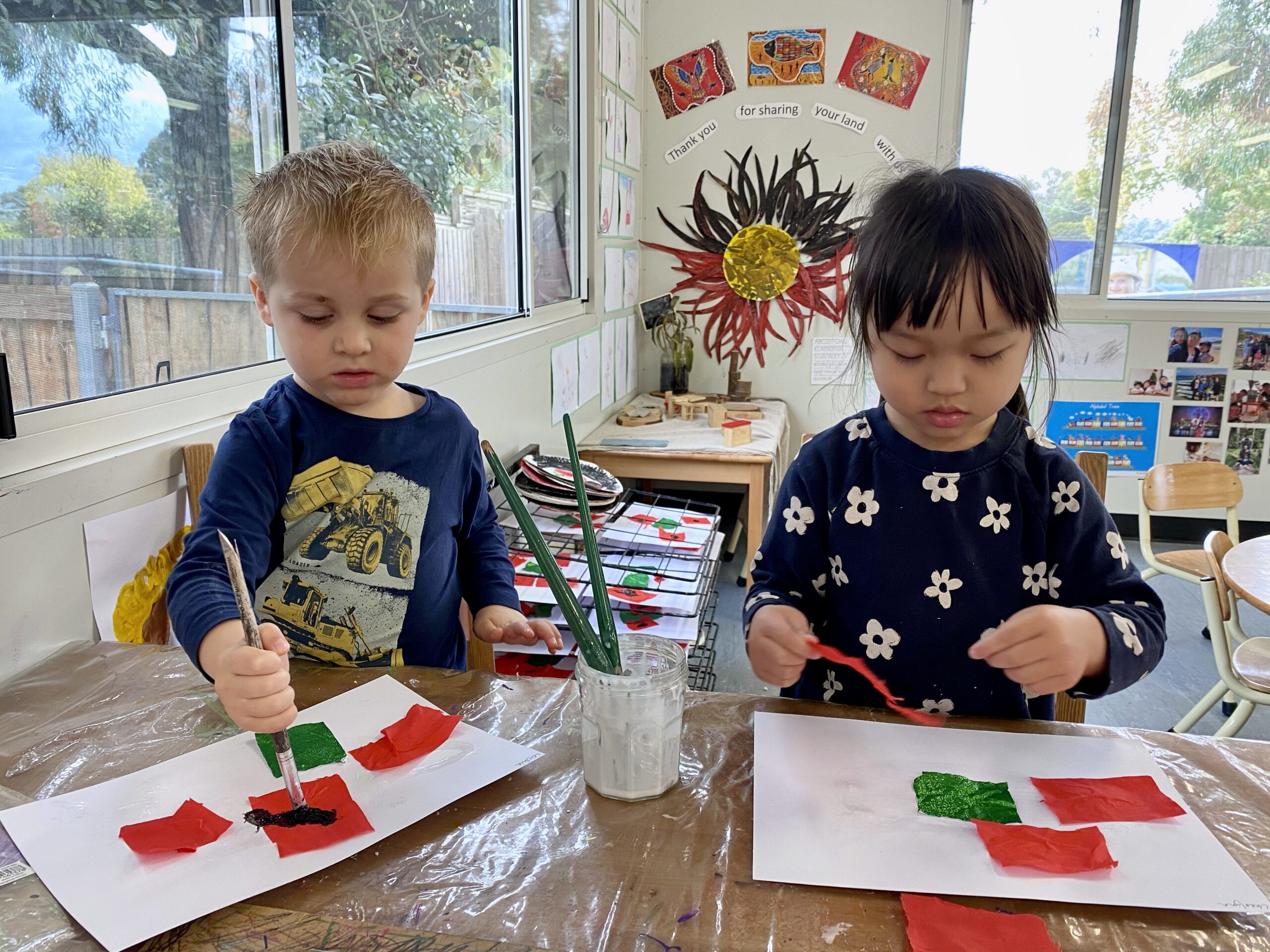
ANZAC Day is such a multi-layered conversation, so during this activity we talked about understanding different life experiences. We tried to represent who soldiers are in the children’s minds, and that they are Australians, which led to a discussion about the Aboriginal and Torres Strait Islander perspectives and how they faced unfairness and bias, both at war and on their return home.
Currently, we are in the process of planting poppies in our garden to watch them sprout and grow, so this activity is really a snapshot in the long journey to creating rich and meaning learning experiences and connections.
Overall, the big takeaway we sought to achieve is that today we are very fortunate.
We aimed to foster a sense of appreciation, understanding and gratefulness for what we have, which in the big picture, helps encourage children to become empathetic and mindful learners who are connected to themselves, their community and their country’s history.
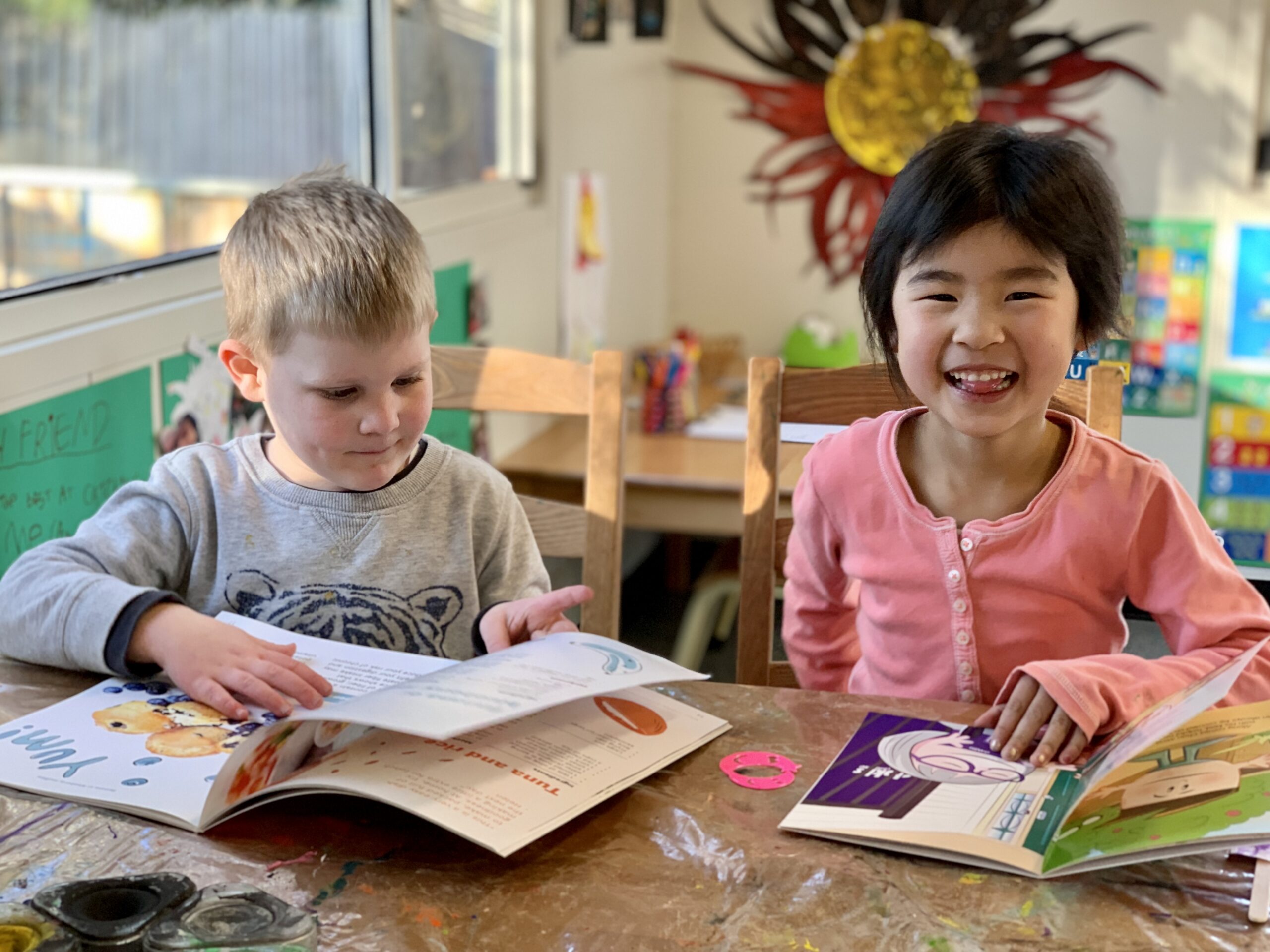
May was National Family Reading Month, so we think it’s a pertinent time to discuss the importance of reading to children. Children benefit immensely from being read to, not just from the enjoyment that being immersed in language and stories provides, but also because it supports their emotional literacy and cognitive development; that is, their language, literacy and numeracy skills. Here at Choklits Child Care Centre, reading is a prominent feature in our curriculum, and our educators enjoy story time just as much as the children do. Sharing stories, favourite books and beloved characters is a wonderful bonding experience for children, and we love facilitating these interactions.
Reading to your child, and, as they get older, with your child, is a wonderful activity for families to engage in together. Reading stories is an excellent connection builder and a great opportunity to create shared time and experiences, and encourage the development of creative spaces. Laying the foundation for a supportive and opened-ended creative space encourages children to activate their imagination and provides opportunities for them to engage in their own story telling.
This is a gateway for self-expression, whereby children are able to act out books and transform them into their own stories. Enabling children to identify characters they relate to is an excellent exercise in both learning about themselves and others, and helps them to be able to express their own personalities.
Another fundamental importance of reading to children is fostering a love of reading and learning. Instilling a love of reading gives children access to infinite world in books, and provides a head start in building self-confidence and independence. Developing this early is incredibly helpful for their future and helps children to make sense of themselves and the world around them.
Building on this last point, reading is also fun! Reading to children is immensely enjoyable for them, and often becomes a keystone part of daily routines, like bedtime stories. This also paves the way for them to eventually be able to engage in reading, an activity they already love, independently, as they become more familiar with words and stories.
An aspect of reading to children that is less discussed is the work it does to aid in developing focus and attention skills. Children naturally have shorter attention spans, and their ability to remain focused on a task for a certain period of time grows as they do. Being read to is a particularly helpful way to aid them in developing these essential life skills as it requires little brain power and is a highly engaging activity.
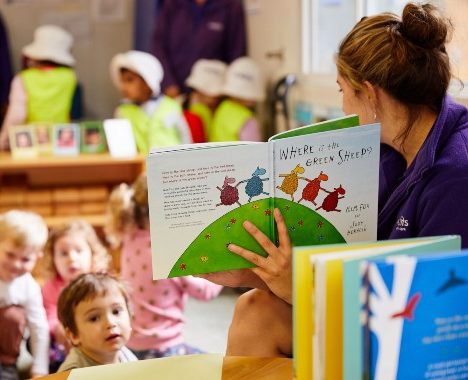
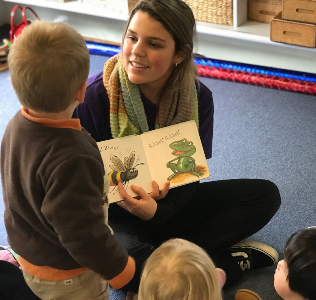
Reading to your child also has the benefit of being highly adaptable, as it can be done individually or in a group. This helps children to transfer the skills they are learning across different environments, strengthening the connections made.
Being read to in a group is a particularly wonderful opening for children to create shared experiences with their peers. It presents vicarious opportunities for them to create meaning and alternate endings which lead to discussions with parents, educators and friends, building on their social awareness and understanding.
The development of emotional literacy is another key benefit of reading to your child. The descriptions and visuals of feelings in books help children to name and interpret emotions and associate physical experiences of different emotions with their own. This aids in the recognition of feelings in others, helping them to understand people more effectively, and be able to communicate and interpret their own feelings with more clarity. Getting to hear about how characters manage, resolve and cope with a variety of emotions and situations can increase children’s tolerance of uncomfortable feelings because they have vicariously experienced their resolution in books. The plot and chain of events stories display is also incredibly helpful in developing children’s understanding of causation; the idea that their actions can have an impact on the outcome of a situation, which is conceptually a tricky idea to grasp.
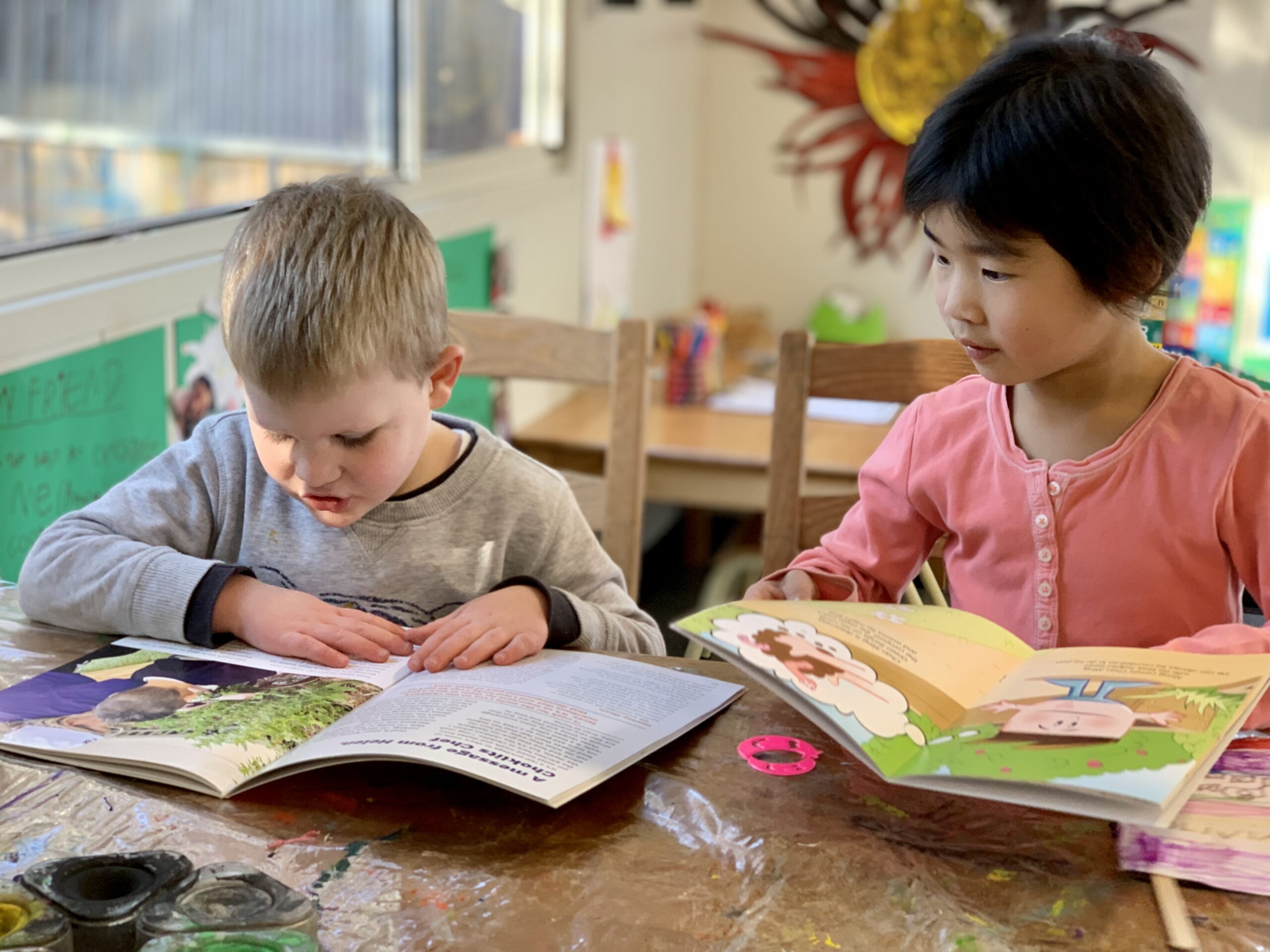
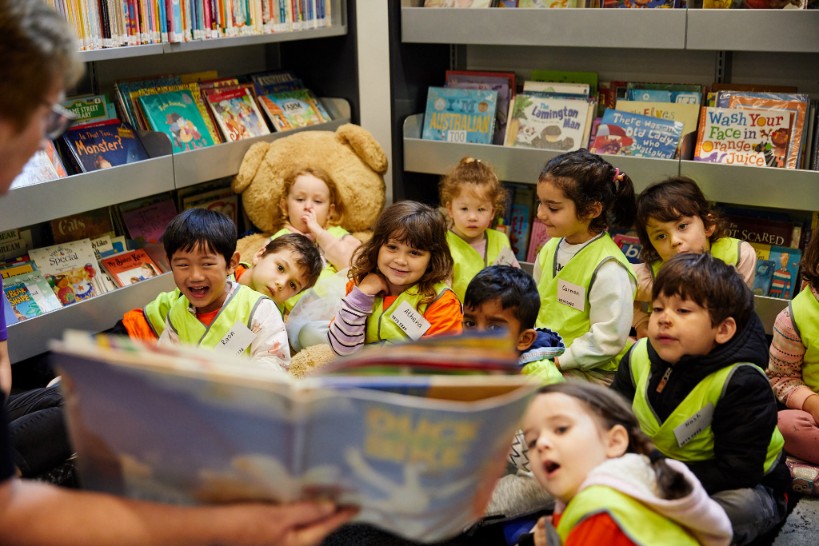
Perhaps the most obvious and well-known advantage of reading to children is the impact it has on their cognitive development. Being read to is hugely beneficial for the development of vocabulary, language, literacy and numeracy skills. To put this in perspective, a recent study found that by the age of five, children whose parents read them five books each day had heard 1.4 million more words than children who were not read to (you can read more about their findings here). This gap is a clear indicator of the extent to which being read to supports vocabulary development, which not only aids children in communicating and understanding others, but also aids their early reading skills through familiarity with a greater number of words.
Additionally, being familiar with books aids the development of literacy skills such as recounting and memory, and the frequency at which children are read to has a direct correlation with their early literacy development, as well as a causal effect on their schooling outcomes. According to the Victorian Government Department of education and Early Childhood Development, reading to children 3-5 days a week has the same effect on a child’s reading skills at age 4-5 as being six months older, and reading to them 6-7 days per week has the same effect as being almost one year older. That’s a massive difference! This effect continues to be observed as children get older, with those who were read to more often as children achieving higher in both literacy and numeracy.
In short, reading to children prepares them for school and life, through giving them skills to access the curriculum and understand themselves, others and the world around them. At Choklits Child Care Centre, we love reading to children, and endeavour every day to do our part to instil a love of reading in each and every child in our care.
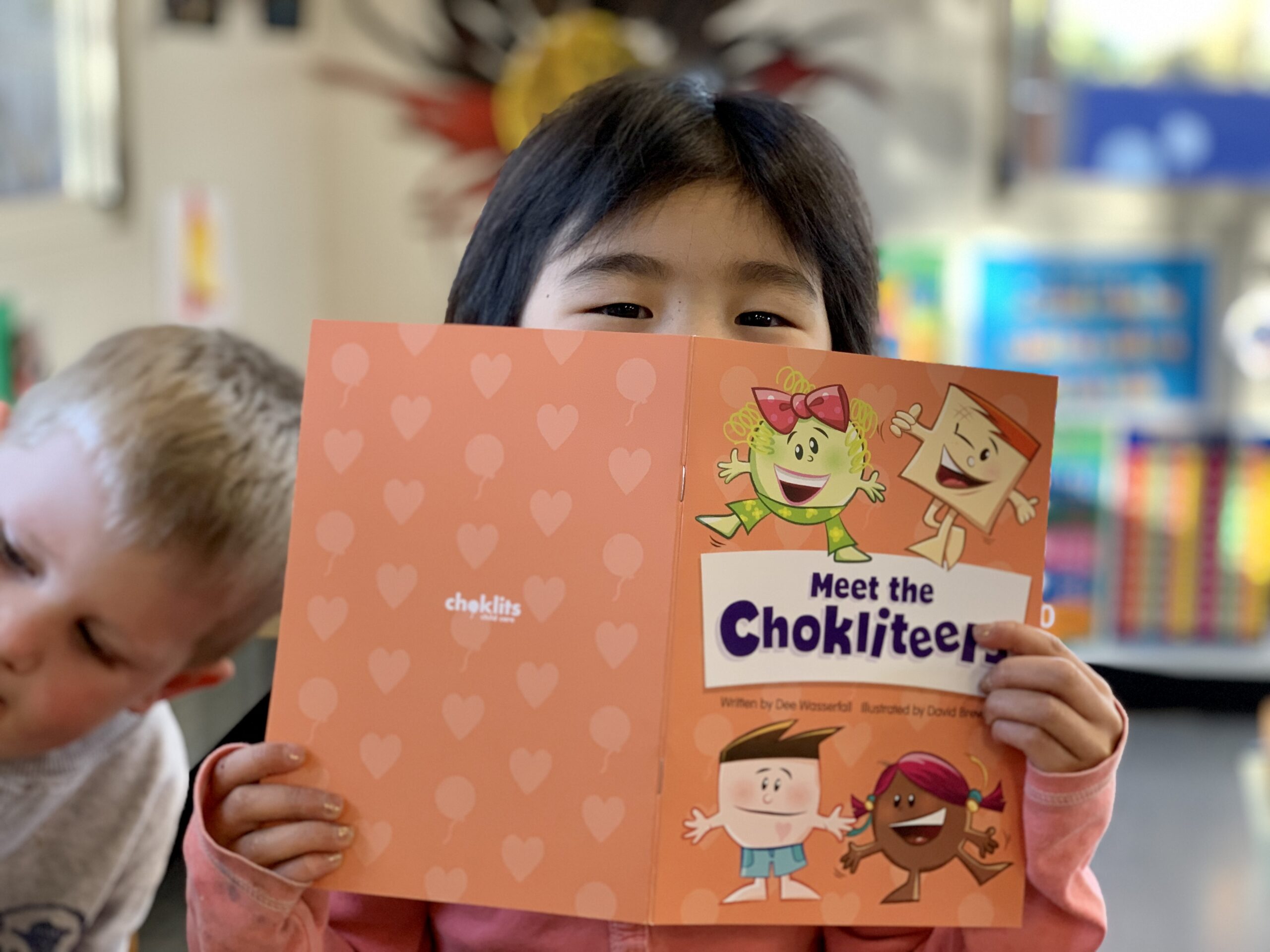
Did you know we love books so much that we have written our very own? You can find them here, enjoy!
Children are curious, busy little beings, and are learning to explore the world around them with their minds and bodies. Yoga is an excellent activity for children, both because it helps them to develop skills to lead a healthy lifestyle and navigate life’s challenges, and it’s fun! In this blog, we’re going to talk about the benefits of yoga for kids, so you can understand why we decided to include yoga as part of the curriculum at Choklits Child Care Centre each week.
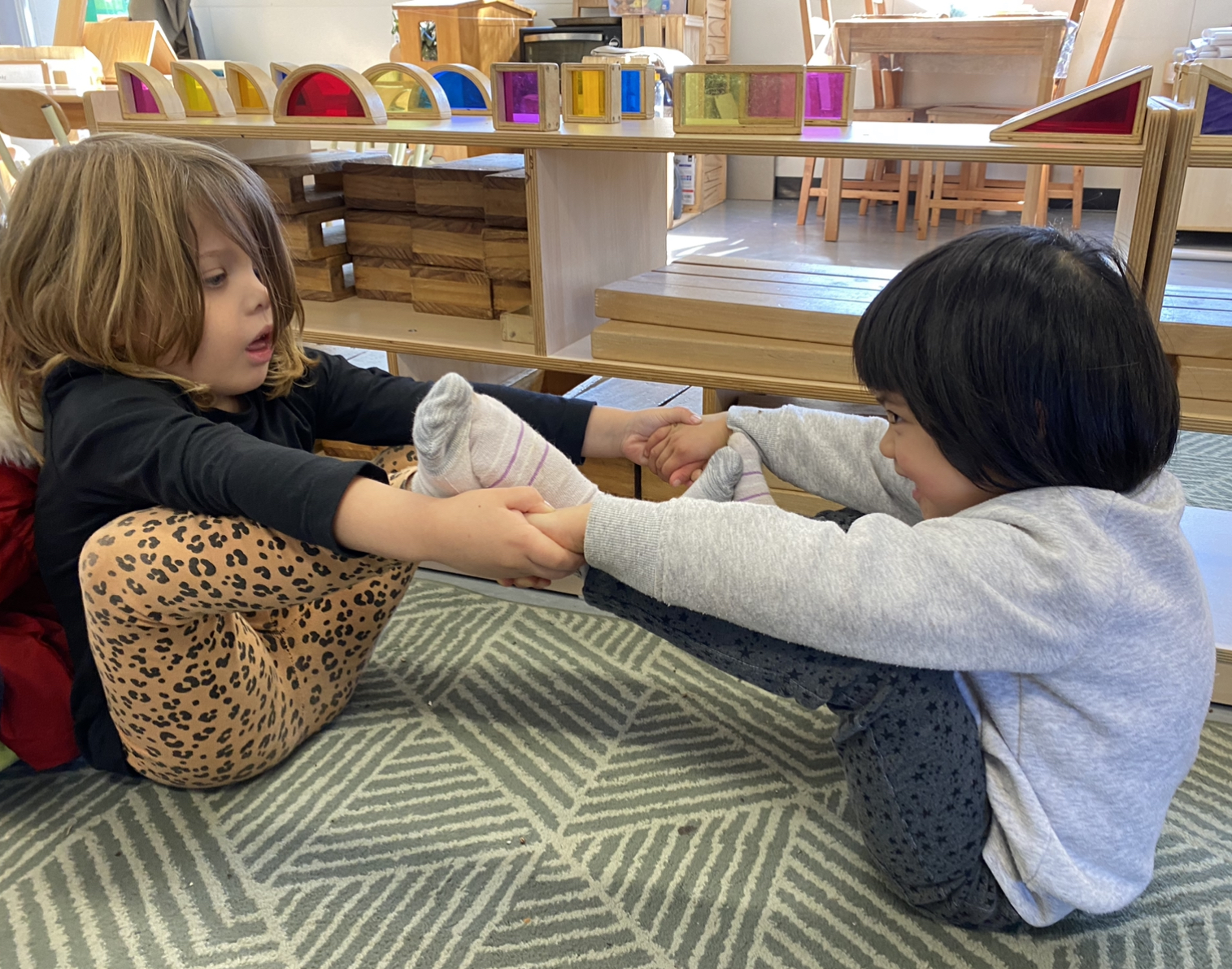
Here at Choklits Child Care, we have had an established yoga program for the past two years, which is included in our standard daily fee. We do yoga sessions once a week, on Thursday, which are led by specialist teachers.
All kids, no matter their age (including toddlers and preschoolers) or their previous penchant for physical activity can enjoy yoga. Yoga is very different to the more common kids sports as it is not about how fast you can run, or how well you can catch a ball or even how good your splits are; it is about the connection between your mind and body and appreciating the wonderful things they can do.
Yoga fosters a love of movement in safe and inclusive environment, and develops a connection between the children and this activity that they will be able to enjoy throughout their entire life. It is also a great opportunity for family connection when practiced at home, as its inclusivity makes it a beneficial and enjoyable activity for everyone.
Kids love to explore their bodies and have fun finding out new things that they can do, and yoga is an excellent way for them to do this in a safe and supportive environment.
Yoga aids children’s physical development in a multitude of ways. Increasingly sedentary lifestyles are becoming more prolific in our society, and research has shown that the activities our children are exposed to are formative of their habits later on in life. Yoga is a great way to keep kids active and involved in physical activity in a completely non-competitive way which supports focus on oneself and reduces comparison to others.
Participating in yoga helps to build the right balance of muscle tone and strength to stabilise children’s mobility, which sets them up well to have their full range of joint motion supported. Having a good balance of strength and mobility does wonders for injury prevention and long-term performance. Yoga also increases children’s awareness of their body and understanding of how it works, and helps to develop muscles that are needed for good posture, which is a great habit to develop whilst young and growing – 1 to 3 years old as toddlers and 3 to 5 years old as preschoolers.
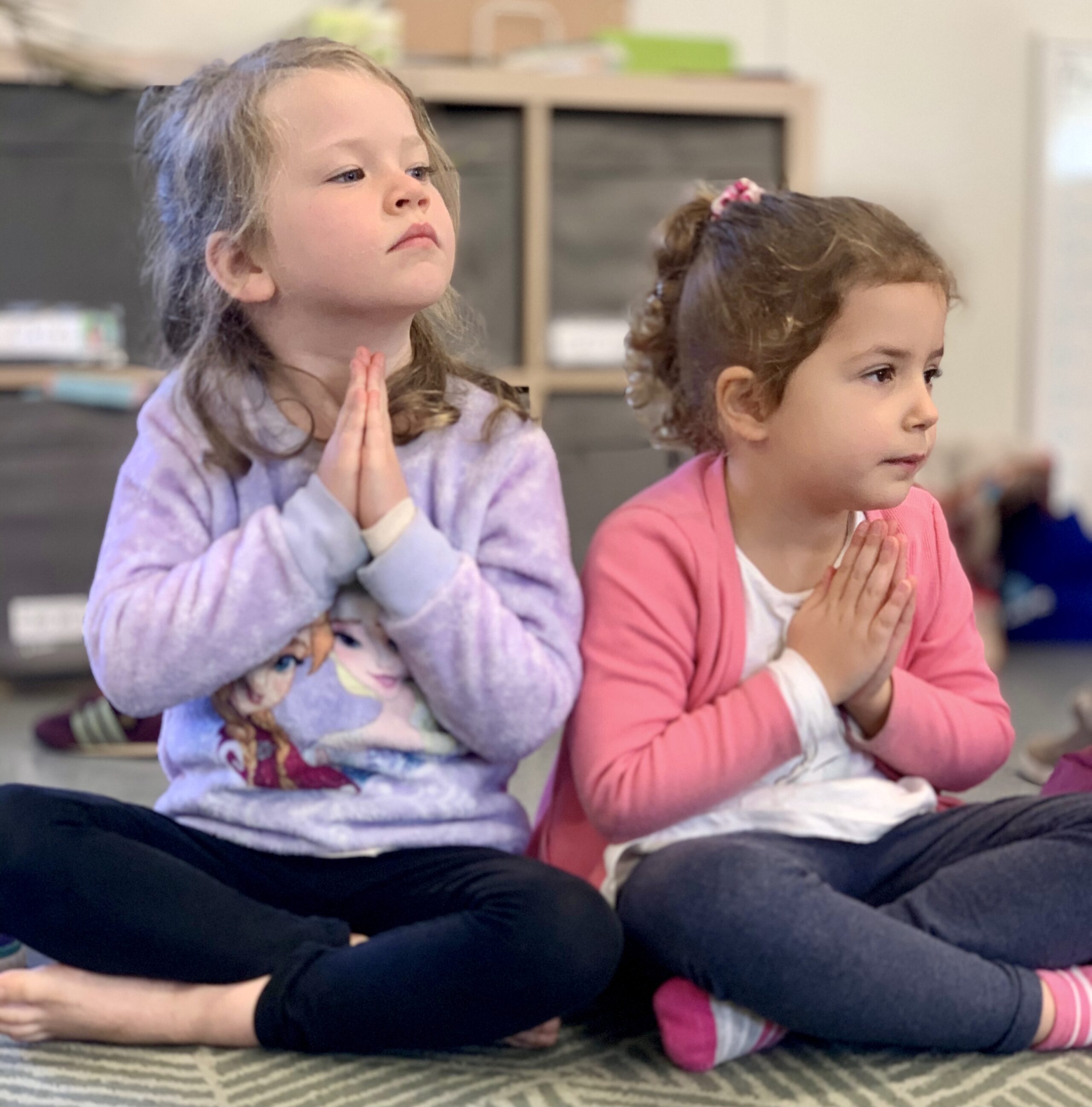
Yoga not only helps toddlers and preschoolers to get in touch with their bodies, it also aids their emotional development. We might not think of our children’s lives as stressful, however, between home, child care, extra-curricular activities and friends, they certainly are busy, which can make it difficult for them to relax. Yoga is inherently a very calming activity and teaches emotional regulation and strategies to cope with stress.
The basic idea behind practicing yoga is to relax the mind and body. This helps children to be less reactive and more proactive in how they respond to stimuli, as yoga teaches you to be mindful and aware of yourself, your body, your feelings and your reactions. It gives kids strategies to observe how different things in their environment affect them, giving them greater control over their emotions which enables them to make choices about how they respond, especially when their emotions are heightened. This understanding and sense of control can be very empowering!
Another important aspect of yoga is breathing. Yoga focuses on breathing deeply, which is really helpful in reducing stress and helping children to feel calm. This calm state helps to improve concentration and focus, which is excellent for those toddlers and preschoolers who struggle to sit still or remain engaged in an activity for longer periods of time.
Yoga is also great for increasing body confidence, as it both gives children an appreciation of the interesting things their bodies can do and helps to reduce ‘mind chatter’ which is a common cause of insecurities.
We feel like we could write forever about the benefits of yoga for kids! It is just such a wonderful activity that benefits physical, social and emotional development, and is one of the many ways that Choklits Child Care Centre is striving to support children to become happy, healthy individuals.
The first years of children’s lives are a period of rapid physical, social and emotional growth, during which eating patterns also develop. The types of foods a child eats in their first few years shape their future habits towards food and eating, so here at Choklits, we like to encourage the children to try new things and experiment with different flavours and textures. We focus on fresh foods, like fruits and veggies, combined with grains, dairy and proteins to expose the children to variety of different things, giving them the energy to make it through the day at childcare and keeping their little tummies full.
Recently, Janine, our pre-toddler room leader has introduced an activity called Helen’s Helpers. Helen is our chef at Choklits, and the idea for this activity came about after Janine observed that the children always showed keen interest in the sounds and smells coming from the kitchen. They were intrigued by the loud noises and loved seeing things bubbling away on the stove as they passed the kitchen to go outside.
Chef Helen and Janine discussed putting together an activity where the children could participate in preparing their meals. The goal of this is to introduce the kids to the different processes Helen uses when cooking and invite them to participate in the preparation of their own food.
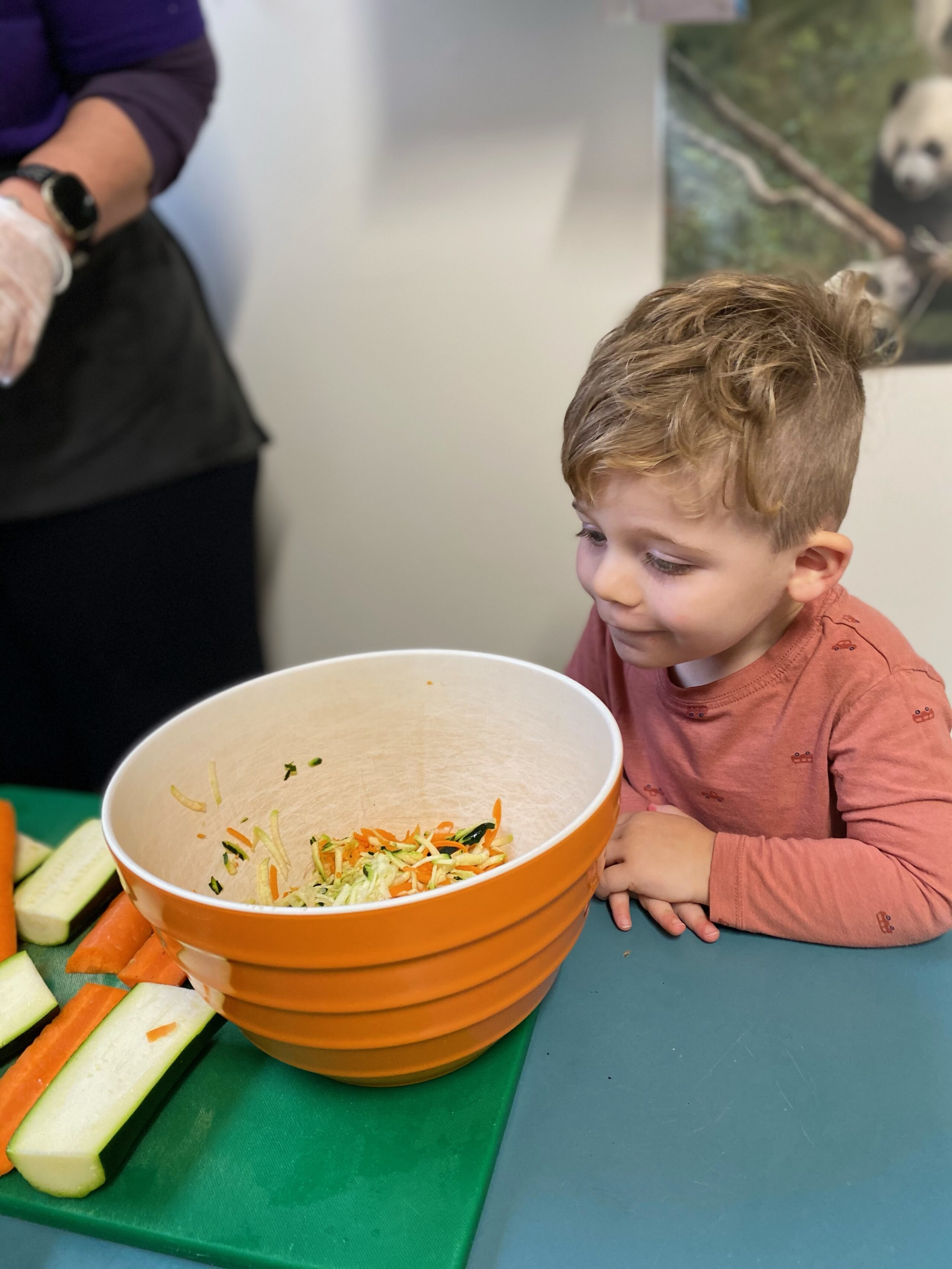
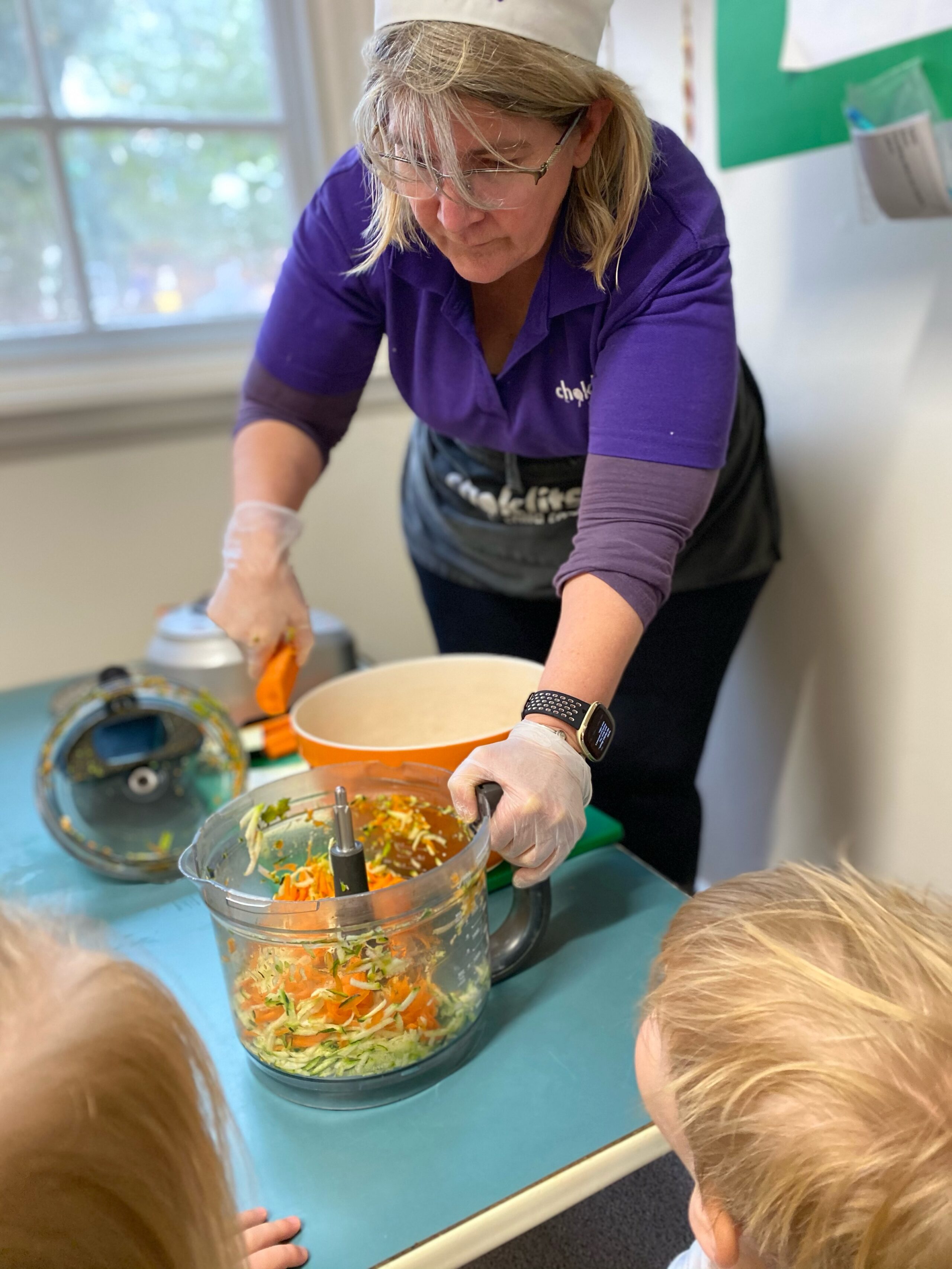
One of our favourite things about Helen’s Helpers is that the activity the children do, and therefore the skill they get to learn about depends on the meal, so it will always be changing. For their first activity, the children helped Helen with grating carrots and zucchini for the curry they were having at lunchtime.
When grating the carrots and zucchini, the children first watched Helen cut the vegetables into large pieces. Then they took turns putting the vegetables into the chute of the food processor and watching through the clear plastic as the large chunk was grated.
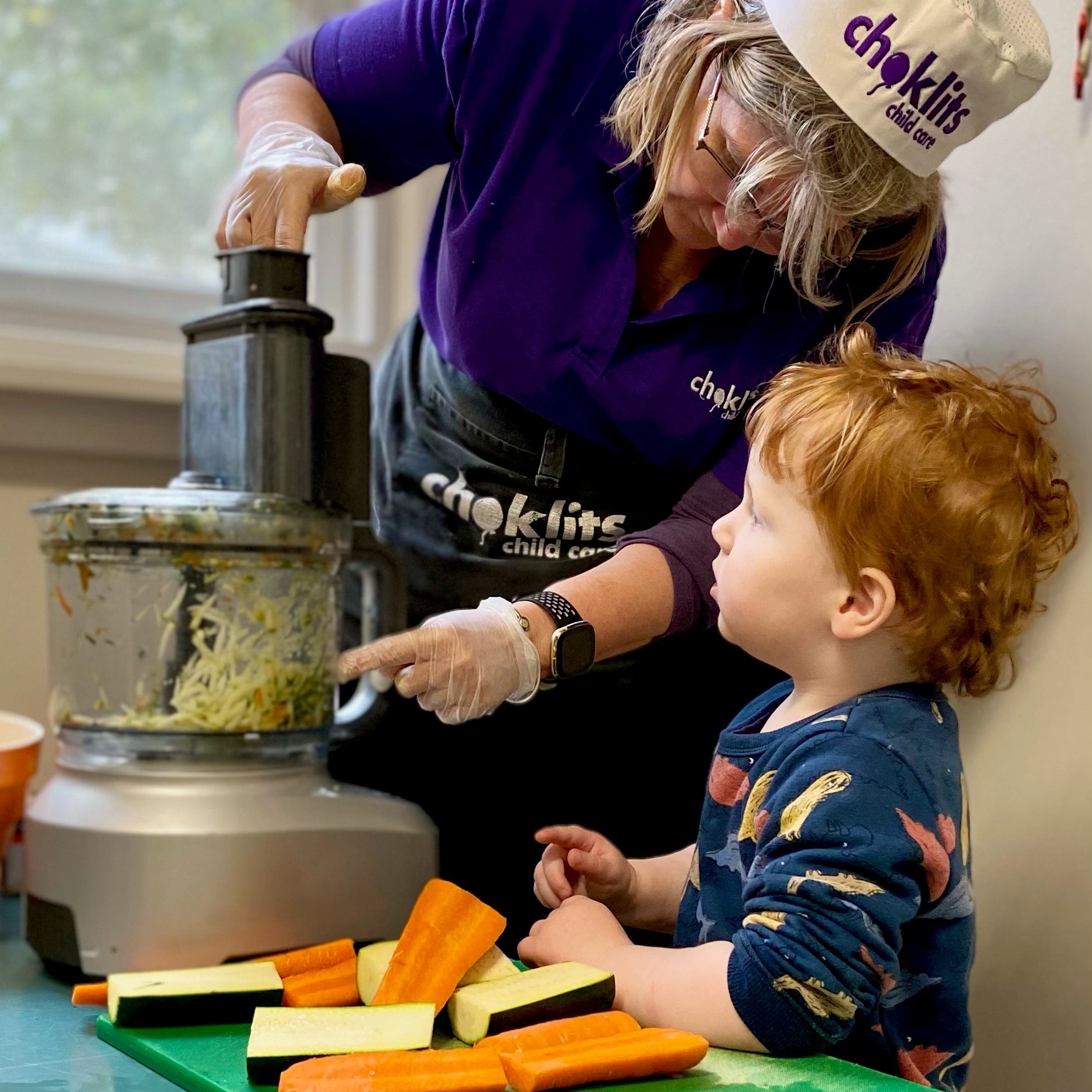
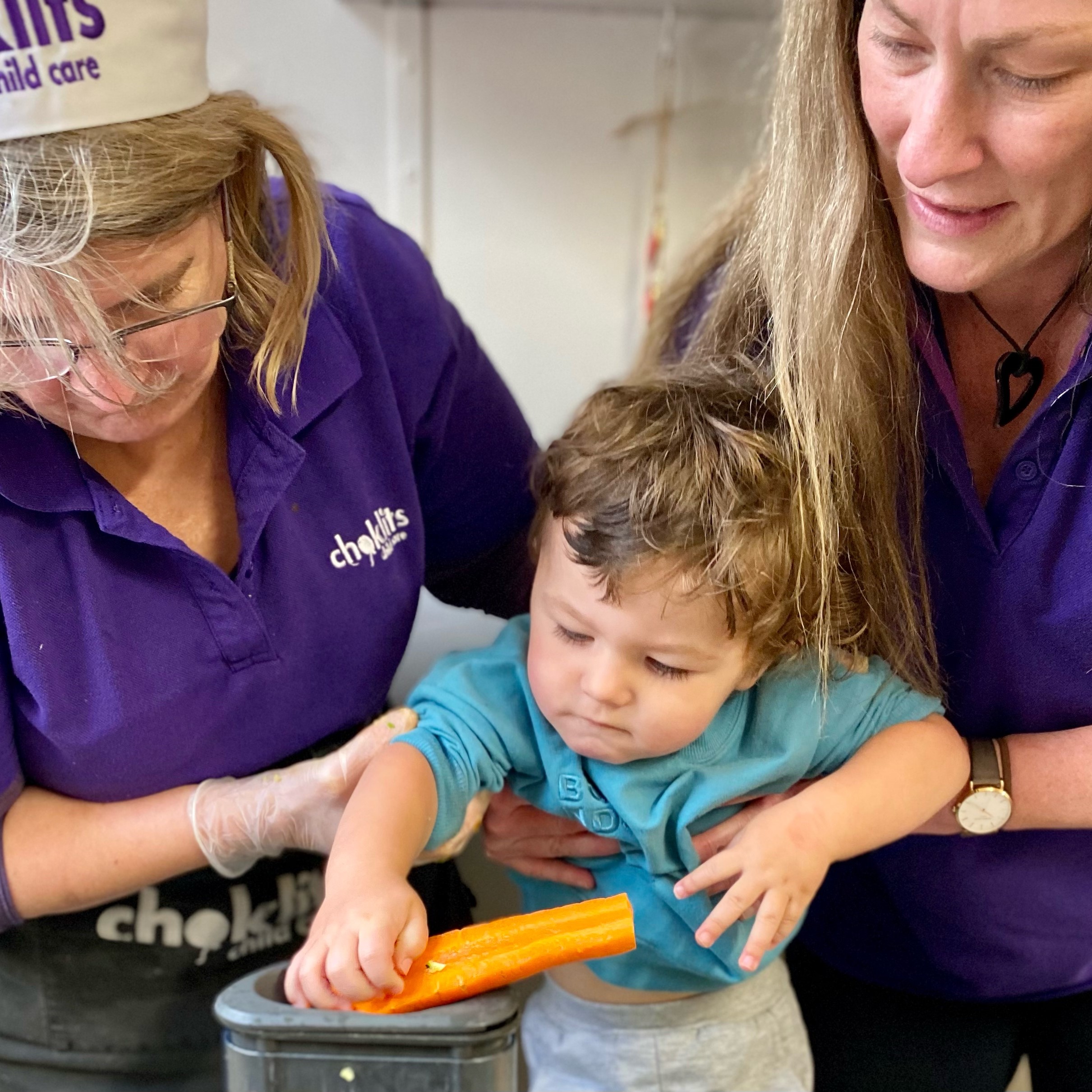
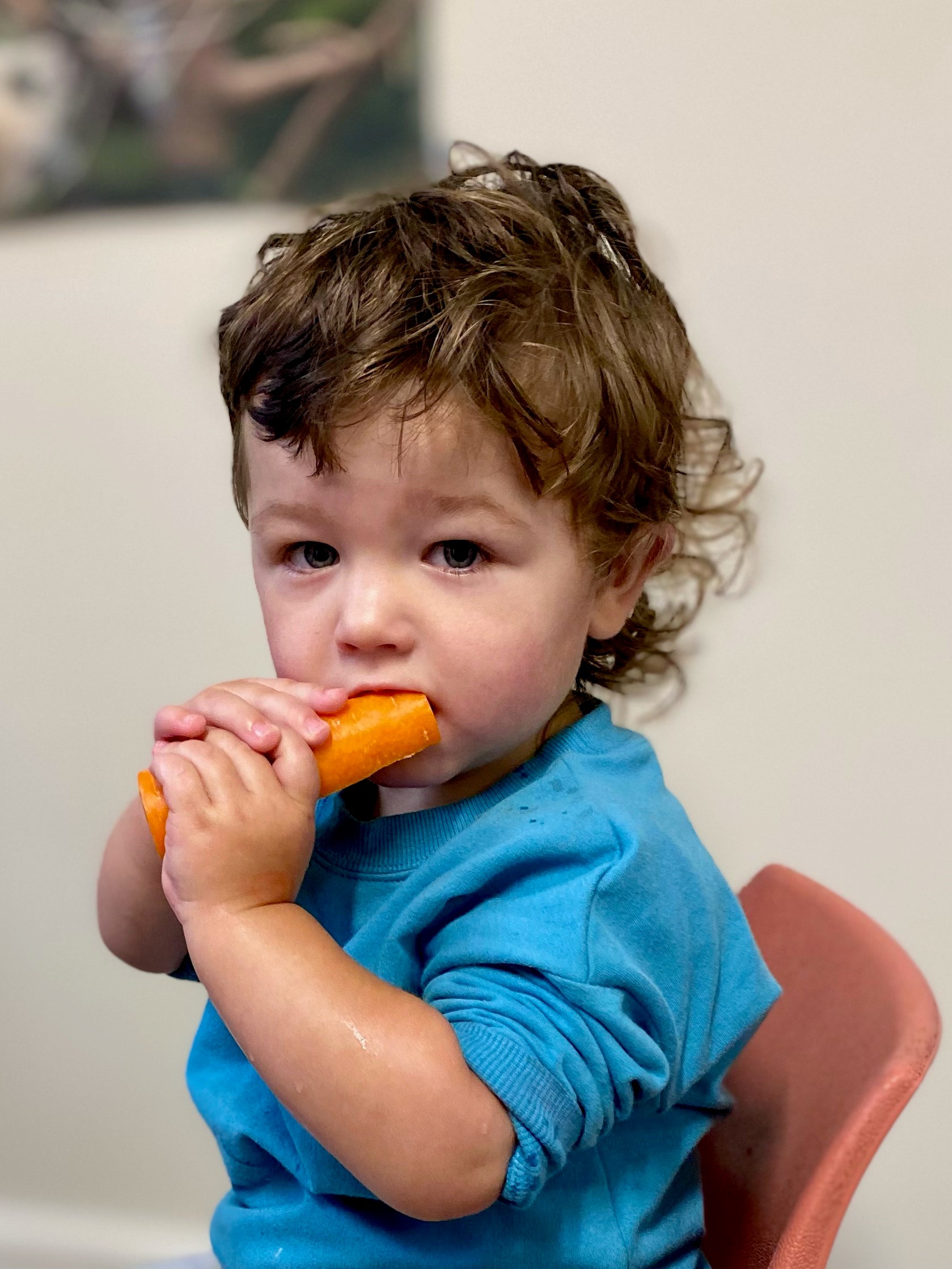
This was a great sensory activity, as the children were able to explore the different bright colours of the vegetables and the way the carrots and zucchini differed in texture. They also got to explore the taste and smells of the food.
Initially, the loud noise of the food processor was intimidating for some of the children, however they became more comfortable with the situation as Helen and Janine helped them to build their confidence through explaining what was happening and encouraging them to look into the food processor as it was grating.
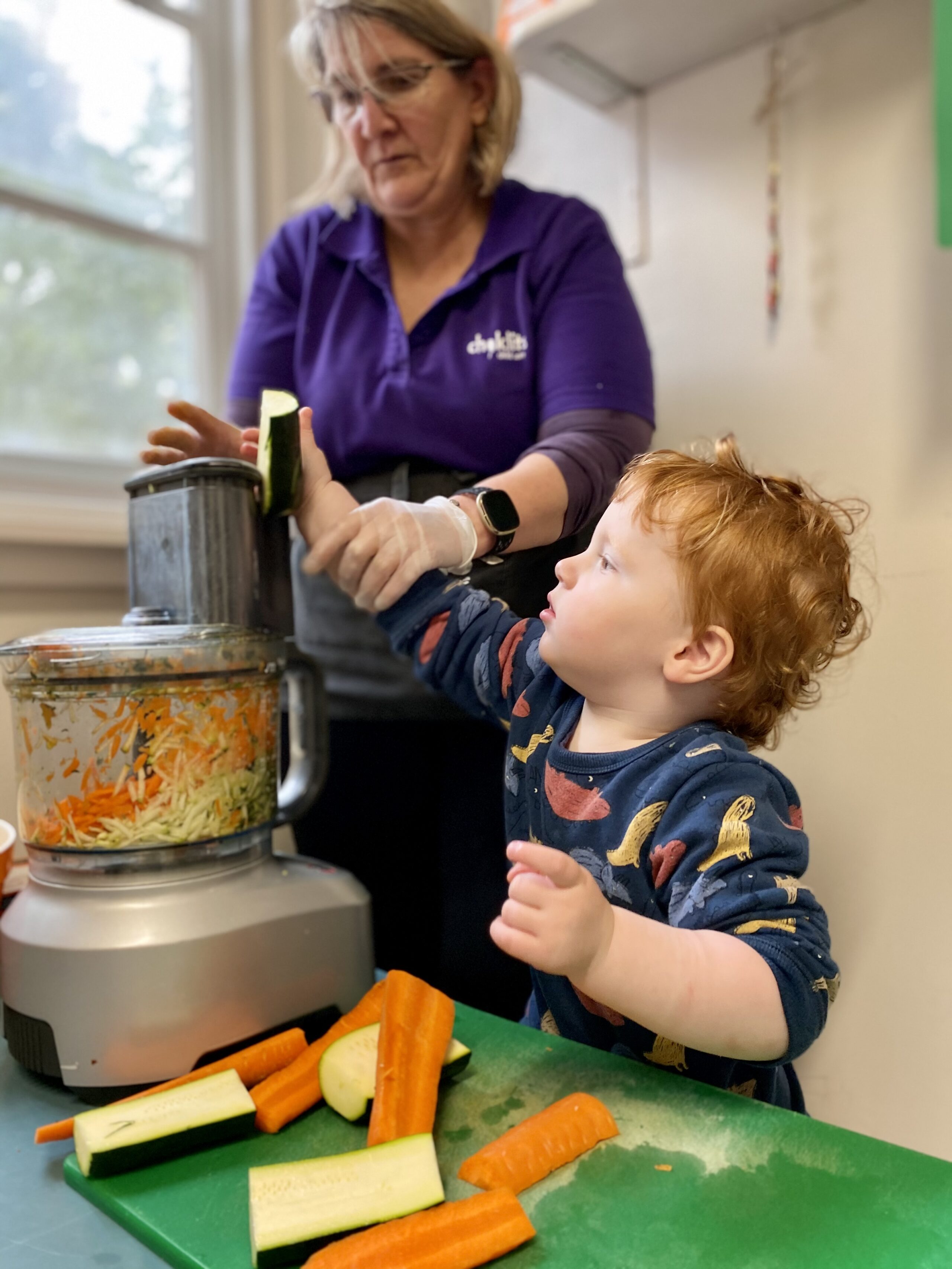
The sensory elements were a significant focus of the activity, however it was also an excellent exercise in patience and a great opportunity to practice turn taking as well. The children were active participants at all stages of this activity; they were engaged while they were waiting their turn to load the vegetables in the food processor which was wonderful to see. It also opened some great conversations about safety and listening to instructions, which were followed very well, especially in the unfamiliar environment.
Being involved in the kitchen also provided an opportunity to observe the changes the vegetable underwent from a whole chunk to being grated, and how they looked and felt different in a large piece and in a bowl once grated. The children loved the end result – particularly because it involved tasting too! Once lunchtime rolled around, we again discussed how they had helped to make the curry they were eating which fostered a lovely sense of pride in the children.
A key difference of Helen’s Helpers is that it is not simply a token activity done for the sole purpose of the exercise itself. The children are engaging in cooking and aiding Helen with food preparation for the purpose of contributing to their lunch.
We hear plenty of our Choklits parents report that their kids want to be more involved in the kitchen at home, which is fantastic, because engaging in real life activities like cooking is what builds life skills. Learning about how food is made and where it comes from is so important, particularly as it informs a person’s future attitudes towards food.
We understand that the afternoon and dinner time can be a very busy time at home, so this activity is a great chance for the kids to explore the kitchen in a relaxed way, and learn about cooking and where the food comes from without increasing the stress on parents!
The children loved it so much that our goal is to make Helen’s Helpers an ongoing activity, hopefully around once a month, with consultation with Helen to determine which meals lend themselves well to having the kids involved. Next time, we’re going to use apples to practice slicing fruit for their snack.
We’re also very excited to tie in our veggie patch with this activity as it continues, so we can introduce the children to different seasonal produce that has be grown right here.
Another way we have been exploring different produce is through our green grocer activity, which Helen was also central to. A lovely parent brought in some shopping trolleys for the children to use, and with the help of a cash register, we set up a shop. Helen put out a selection of different fruits and veggies, and the children were able to select the items they wanted to try and put them in their trolleys. This was a lot of fun and encouraged the kids to try new things!
We have loved exploring food in this new way with the children at Choklits, and enjoyed sharing in their excitement and pride as they tried new things and helped to make their lunch! We can’t wait to share what Helen’s Helpers get up to next!a
Australia is a beautiful, colourful, multicultural country and Harmony Day is a yearly celebration of Australia’s cultural diversity. The word harmony means working together and existing without conflict, and this is the basis of the central theme of Harmony Day; treating all people as equals and celebrating our differences.
The key purpose of Harmony Day is to share stories and celebrate cultural traditions to create communities where everyone belongs. It is a day of respect and appreciation for the diverse range of people who call Australia home and is marked by events that celebrate the unique cultures that have shaped our country into the place it is today.
In essence, Harmony Day is a rejection of prejudice and racism, and a symbol of the continual effort we must make together to create a welcoming and accepting future for everyone.
This is a message that resonates deeply with us here at Choklits, and it gives us great joy to share with you the activities and discussions that our kindergarteners had about Harmony Day.
Sam, our assistant educator in our kindergarten room, led the Harmony Day activities at our centre. The central theme chosen for discussion was ‘belonging’, and Sam initiated a dialogue about the many different cultures of the people at Choklits, both the staff and the children. She guided the children to think about the things that make them different; their names, likes and dislikes, clothes, families and physical features, like eye, skin and hair colour.
Sam then talked about how some of these things relate to our culture, and how the different cultures of children were together in the kindergarten room, all belonging together. This discussion is one we feel is very important; to remind children that belonging does not come from sameness, but rather from shared kindness and friendship.
Our central Harmony Day activity was making a poster with the children’s handprints and the lyrics from the chorus of the song ‘I am Australian’. We chose this song as it is a symbol of Australia and its people; it embodies our multicultural nation’s beauty and inclusivity.
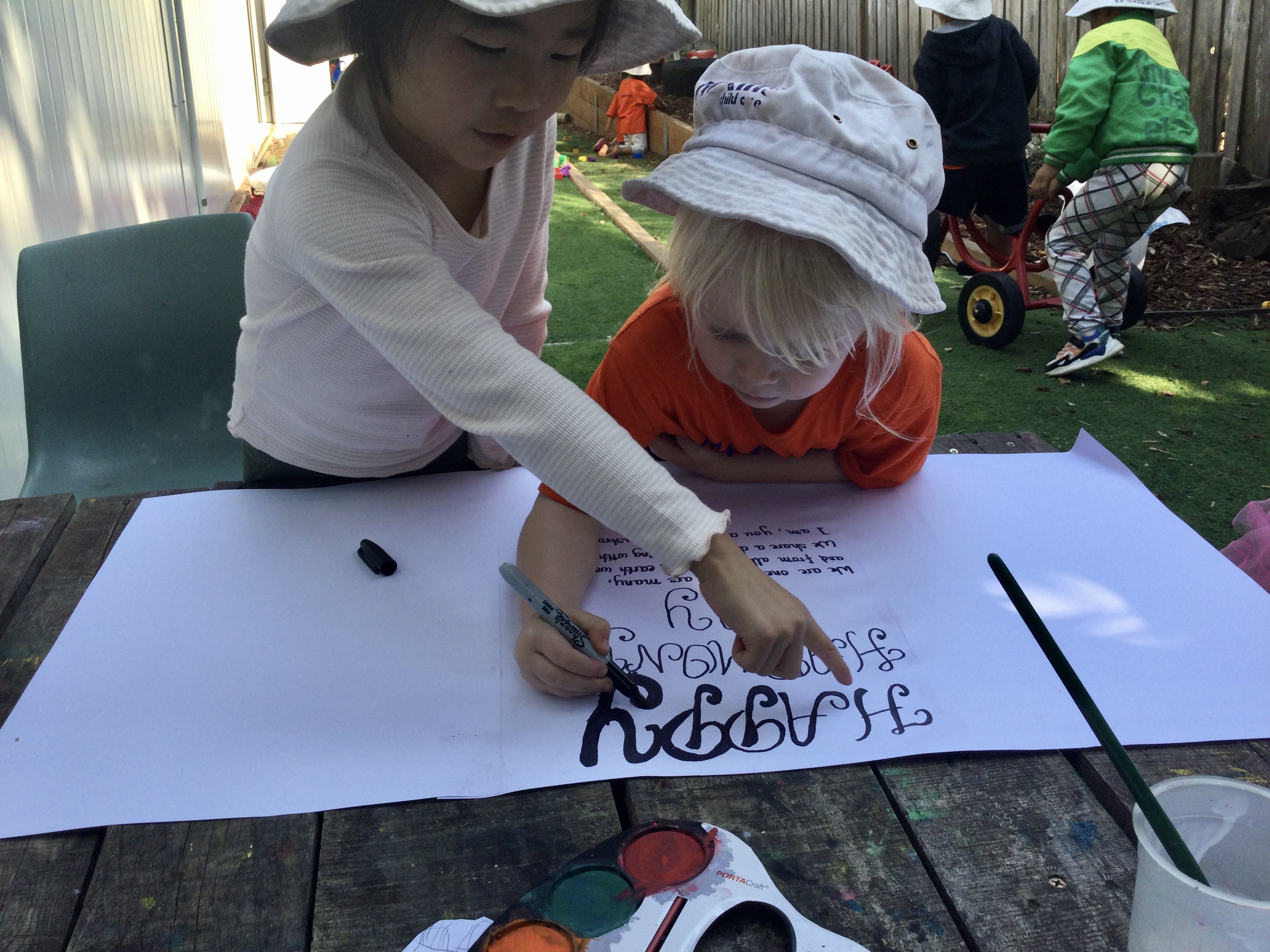
We came back to the discussion from earlier, of our individual identity and the things that make us who we are, and each child traced their handprint on a piece of paper to symbolise their individual self.
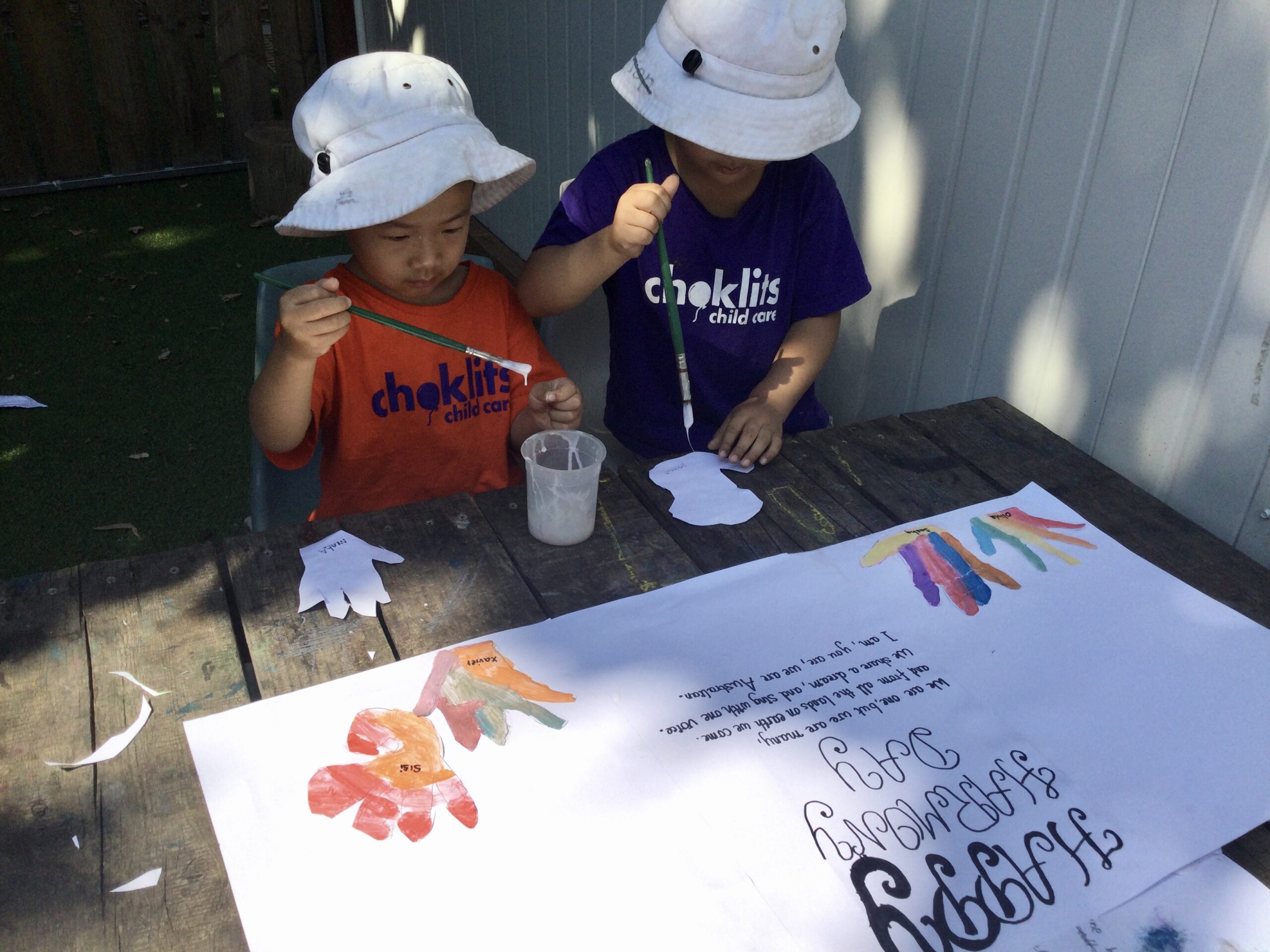
Through conversation with the educators and each other, the children gained an understanding of different colours and cultures. They then selected five different colours to paint each finger of their hand, which is symbolic of different races, cultures and people all belonging together.
Each child then glued their hand onto our poster, as a visual representation of the all the different cultures and people that make up Australia. We discussed how the many different colours on the poster made it beautiful, and more interesting than if all the handprints were the same.

Another key point of our discussion was to garner an understanding of harmony by explaining that all the different cultures in Australia are the result of people coming from different places and having different traditions and that we all belong together.
We extended the Harmony Day activities by using the ‘skin colour pencils set’, which includes an inclusive range of tones, so every child could draw themselves and their friends with the colours that reflected their identities. This sparked a discussion about how skin and hair colour are part of our identity and are a way for us to represent ourselves in art. For example, some of the children drew Sam, and explained that their pictures showed that it was her through the use of the brown pencil for her skin.

The children showed an understanding of different skin colours, and that skin and hair colour can show that people are from different places. We talked about the diversity of skin and hair colours they and their friends had, and that they were all playing together in the kindergarten room.
Sam also led a conversation about the different countries the children at Choklits are from, and how though some of their parents were born in Australia and some are from another country, we are all Australian.
We hope you enjoyed reading about our Harmony Day activities and the ways in which Choklits are encouraging inclusivity, kindness and the celebration of our differences. Happy Harmony Day!
Children love special events, whether it be Easter, Birthdays or Christmas, because they pick up on the atmosphere of fun and excitement around them. As parent, holidays are made extra special as we get to share in our children’s joy and happiness and learning experiences.
These events are also wonderful opportunities for children to explore their culture and family traditions, and enjoy getting to spend time with loved ones.
It feels like the beginning of this year has absolutely flown by and the 2021 Easter weekend has already been and gone! We would love to share some of the Easter activities we did here at Choklits as we love any excuse to celebrate and incorporate some fun, themed activities into our child care program. Last week we included two fun Easter-themed crafts!
The children have been busy creating Easter hats and making Easter presents for their families, part of which involved collecting some natural items from a local park.
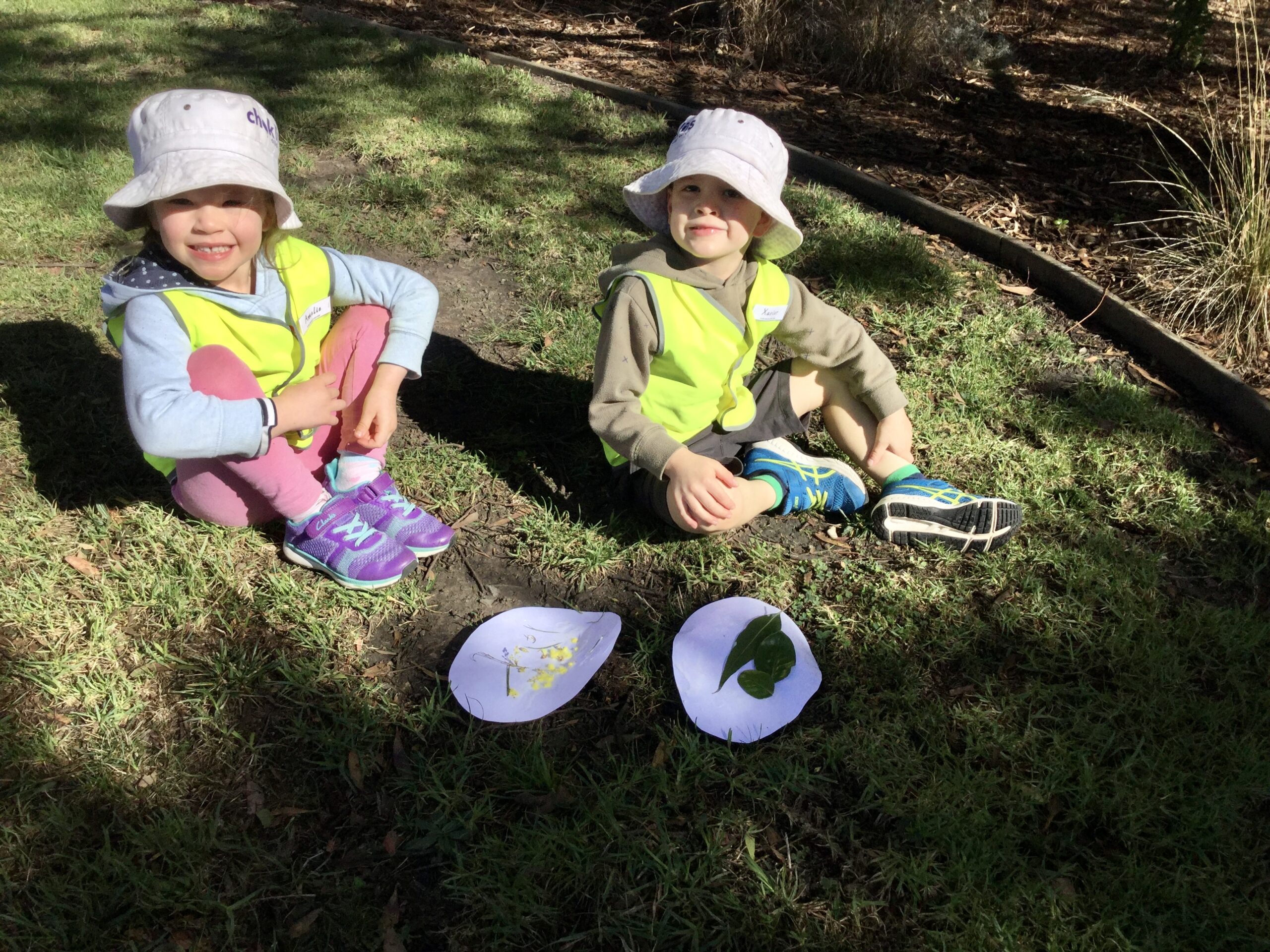
On our excursion to the park, the kids explored the different colours, shapes and textures found in nature, which sparked some great conversations about how everything is beautiful in different ways. Some of the children were drawn to the bright yellow wattle flowers for their beautiful colour and fuzzy texture, while others were fascinated by the different sizes and shapes of leaves they could find.
After they found their nature goodies, we all sat down together with our Easter egg templates to add our natural decorations on with glue.
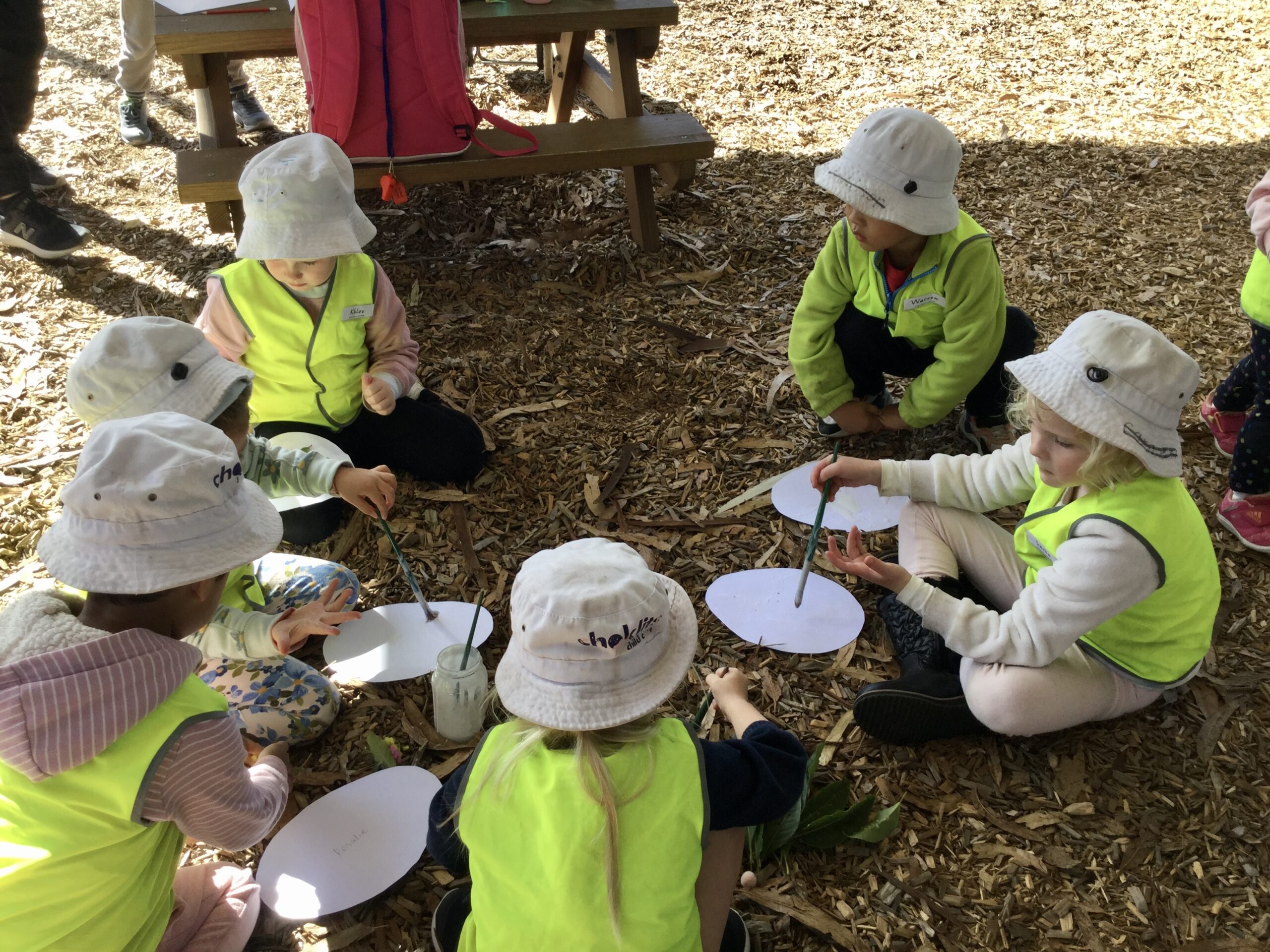
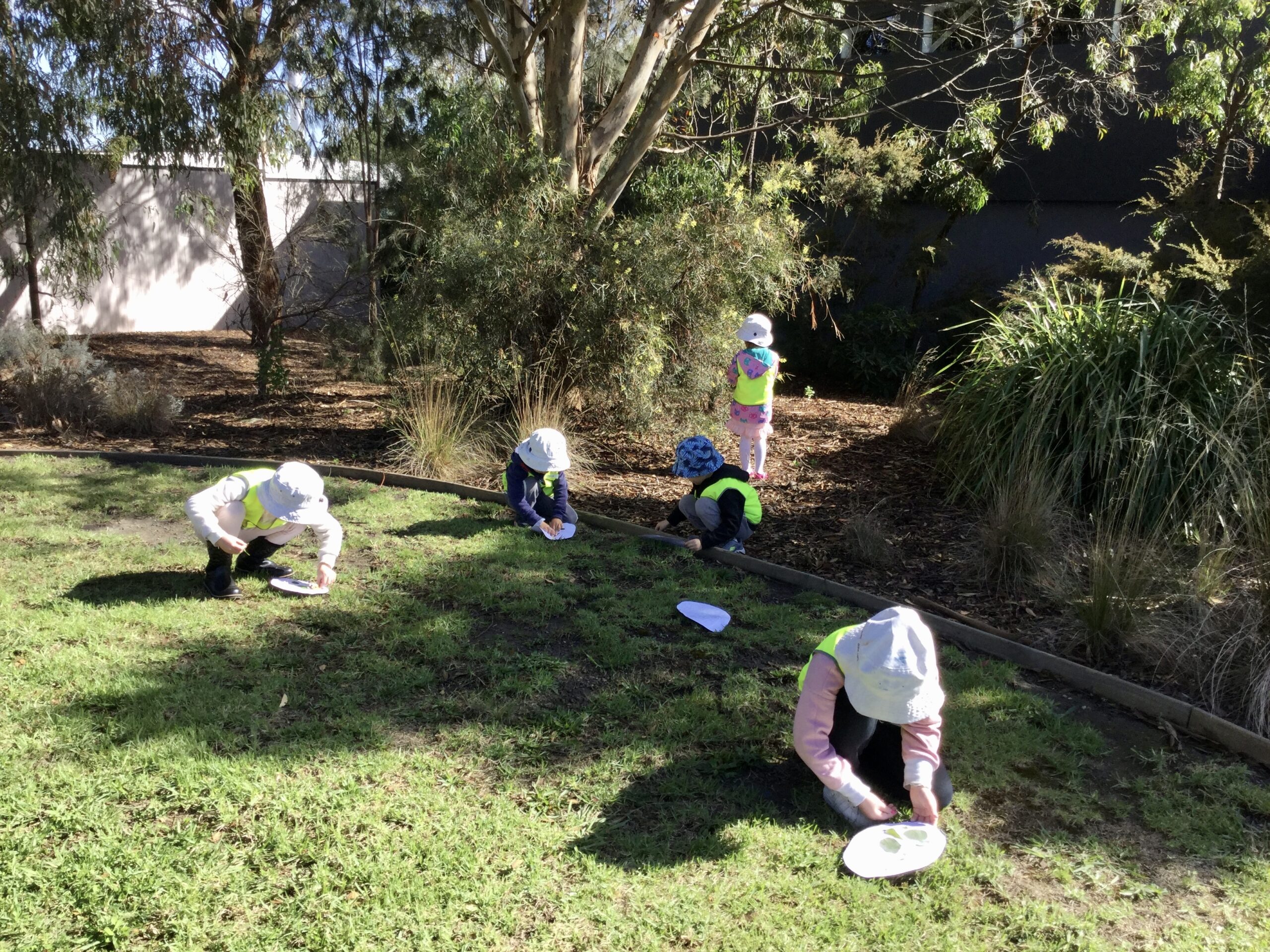
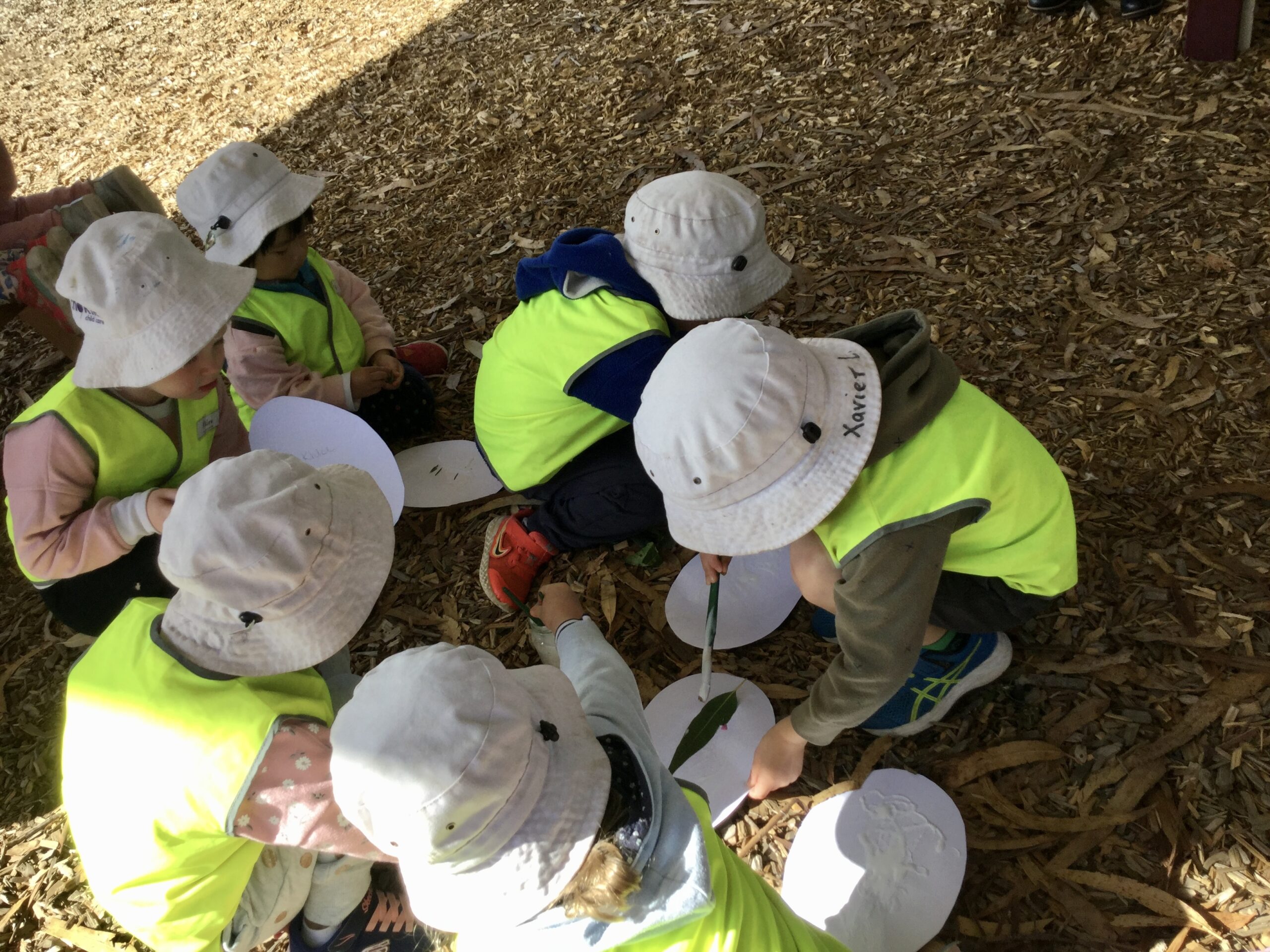
This was a universally enjoyed activity that we all loved engaging in outside, which was made extra-special by the focus on making a present for their families. The children were all very proud of their creations!
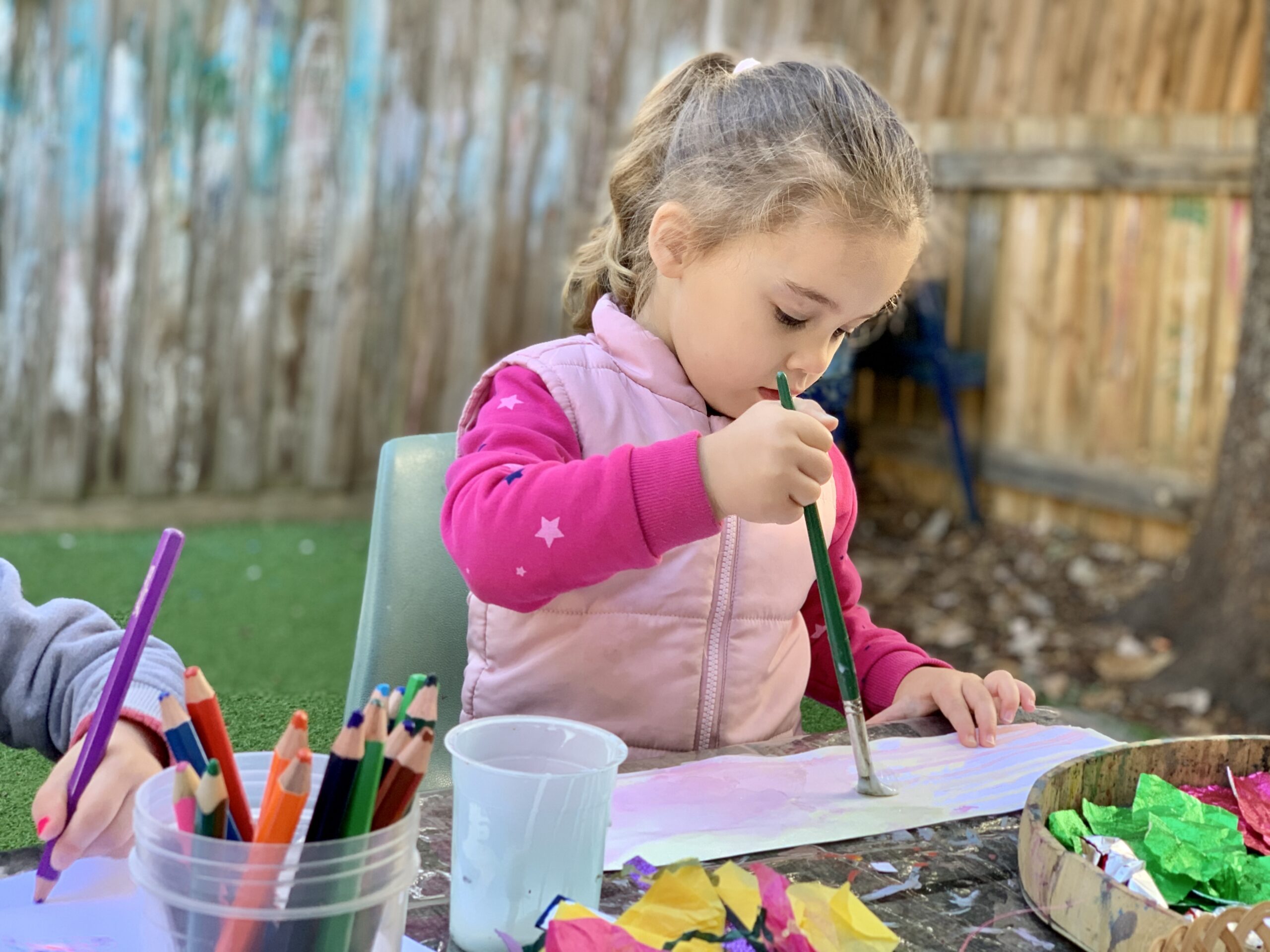
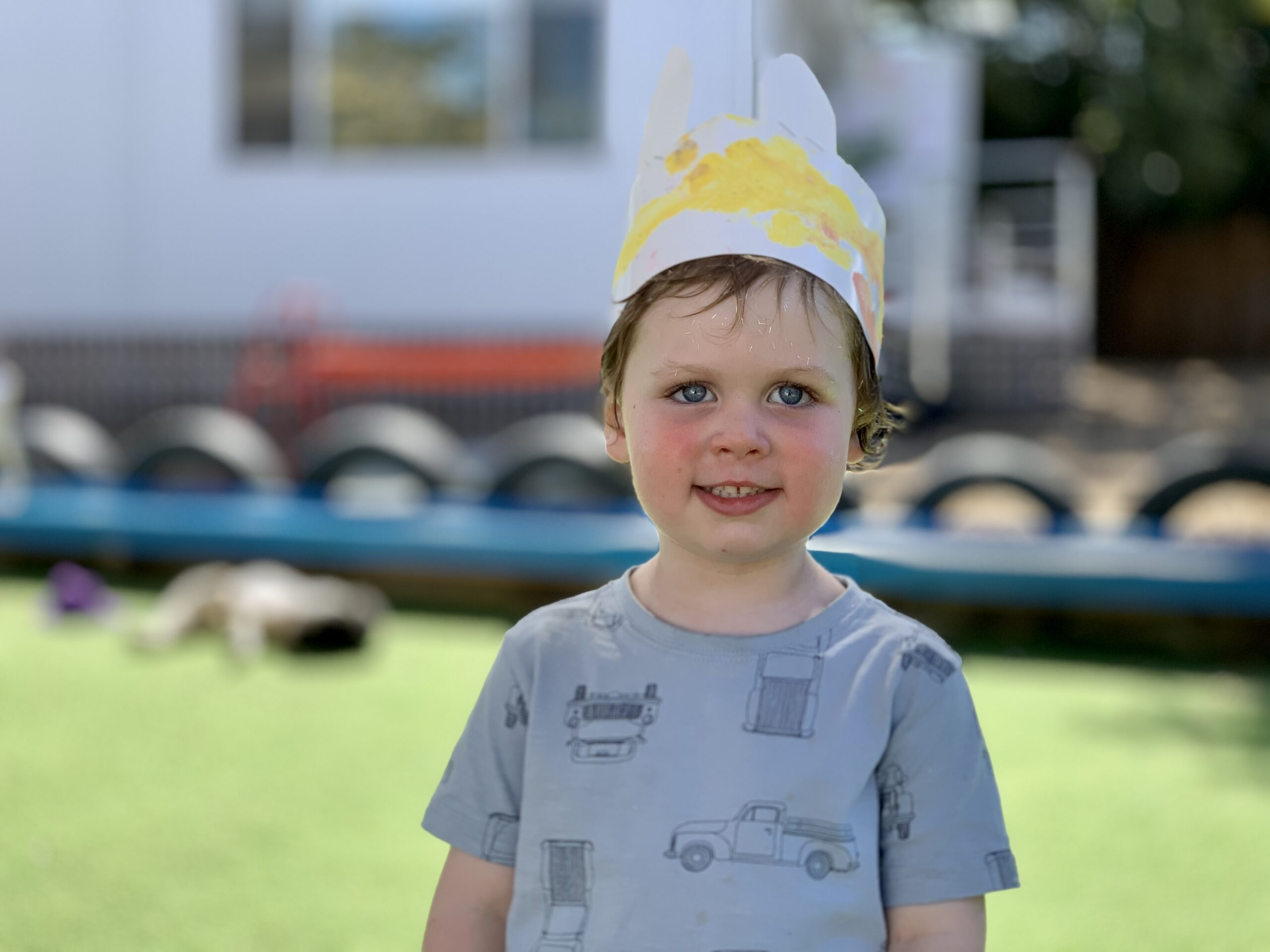
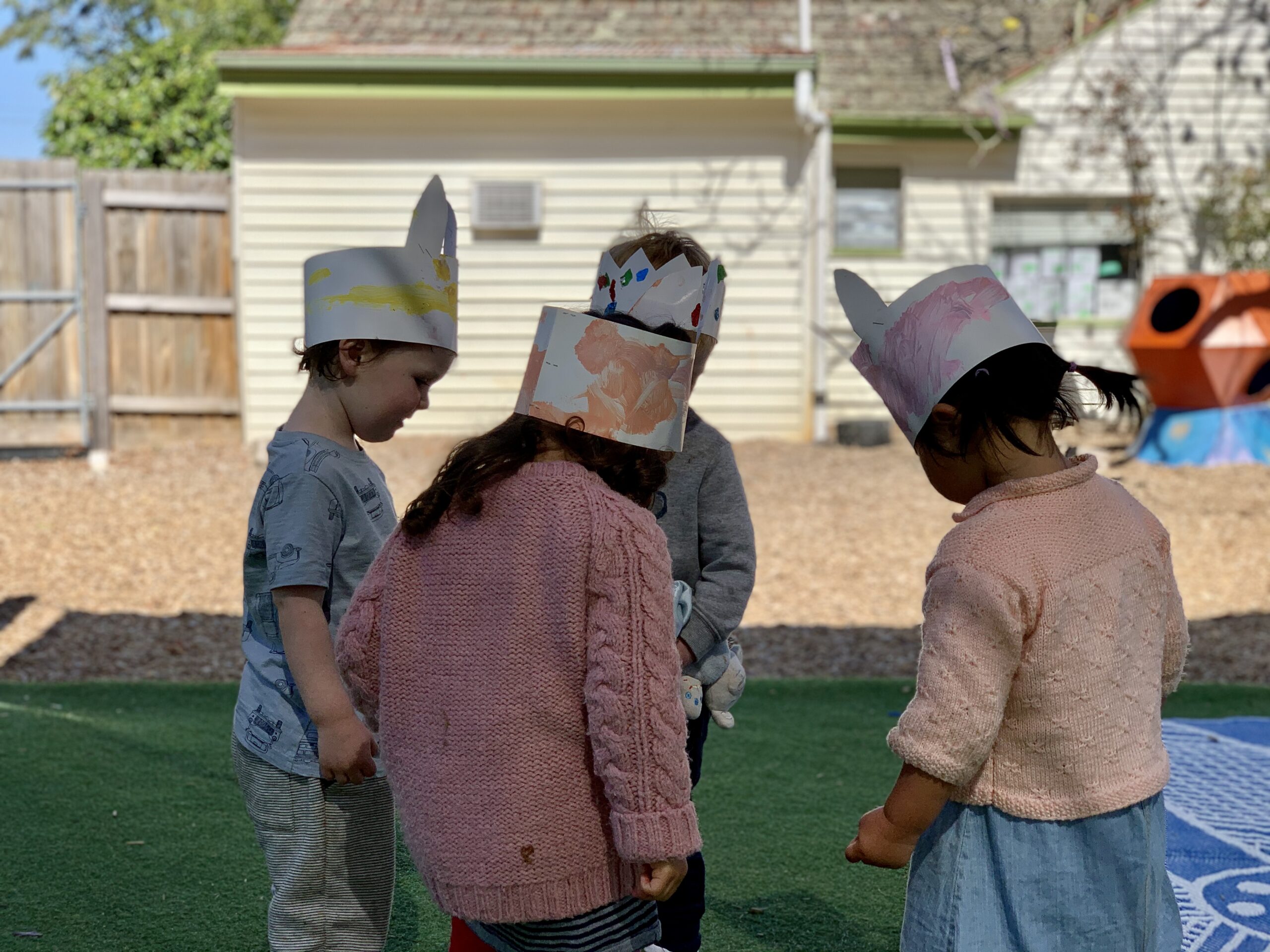
Another activity we had lots of fun with was making Easter hats. We started with a plain band of paper and lots of craft supplies for decoration. Many children opted to use paint and loved swirling the different colours together. Some selected pencils to draw pictures, shapes and patterns while others enjoyed the tactile options of gluing gems and shiny paper pieces.

After we let the hats dry, we added tall bunny ears for those who wanted to be rabbits, and cut out crowns for our little kings and queens. These great Easter hats inspired lots of imaginative play and we love how they turned out!
Easter craft is always a fabulous activity, but there are lots of other fun Easter choices that can be great educational opportunities with a little tweaking. If you’re looking for a way to extend the Easter festivities at your house, read on for a few of our favourite, easy Easter ideas.
Activities like Easter egg hunts present the perfect opening for some play-based learning. Kids love searching for eggs (particularly when they know chocolate will be the reward!) and this encourages excellent observational and problem-solving skill development. For slightly older children, clues can also be great fun, and kids love the rush of independence they feel when they figure it out.
If you’re looking to limit the sugar high after Easter, plastic eggs are a great option to include. They can extend the egg hunting fun without necessitating the inclusion of extra chocolate and are outdoor friendly even if the weather is wet! An added bonus is that they are reusable, so you can keep them for years to come. Hiding little toys inside these eggs is a good idea. In addition an enjoyable fun way to practice the alphabet can be to pop foam or magnetic letters inside the eggs for children to find.
Both foil-wrapped chocolate eggs and plastic ones present a great opportunity for practicing colour names, with the plastic eggs also being a fun matching game when pulled apart and mixed up. Egg hunting is also great for counting skills, and you can encourage your child to count with you as they find their eggs and pop them in the easter basket.
We hope you’ve enjoyed reading about our Easter fun at Choklits and maybe you can try some of these Easter activity ideas at home!
Happy Easter from all of us at Choklits! We hope you had a wonderful time celebrating with your families and can’t wait to see your little ones back at the centre soon.