
Red Nose Day is associated with Red Nose (formerly known as SIDS and Kids), an organisation dedicated to saving the lives of babies and children during pregnancy, birth, infancy, and childhood and supporting bereaved families. Red Nose Day is not merely about sporting a playful red nose; it embodies a deep commitment to fostering empathy, kindness, and community support among our youngest.
This special day provides a platform to engage children under 5 in activities that celebrate the spirit of giving, while closely aligning with the Early Years Learning Framework (EYLF). The EYLF champions play-based learning alongside the development of robust social, emotional, and cognitive skills. Below, we explore 5 Red Nose Day activities, linking each to specific EYLF principles and practices, to ensure a day of profound and meaningful learning experiences. These ideas serve as guides for parents and Early Childhood Educators and are sure to make Red Nose Day Memorable for Children Under 5 years old.
Engaging children in the creation of red noses from eco-friendly materials offers them a hands-on opportunity to explore their creativity and enhance fine motor skills. This activity also serves as a gentle introduction to the concepts of caring, helping others, and the significance of Red Nose Day, making these ideas accessible and relatable to young minds.
EYLF Connection: Learning Outcome 4 – Children are confident and involved learners.
This crafting experience supports the EYLF by fostering children’s involvement in their learning through active exploration and creativity. It emphasises the development of children’s abilities to contribute to their world in meaningful ways, aligning with the framework’s goal of nurturing involved and confident learners.
Selecting stories that underscore kindness, empathy, and the power of helping others can profoundly affect children’s emotional and social development. Story time becomes a gateway for children to navigate their feelings and those of others, deepening their understanding of these complex concepts in a nurturing environment.
EYLF Connection: Learning Outcome 1 – Children have a strong sense of identity.
Through stories related to Red Nose Day, children explore and relate to various emotions, fostering a strong sense of identity and belonging. This experience aligns with the EYLF by supporting children’s emotional and social development, crucial for building their sense of self and empathy for others.
A relay race where children pass a red nose baton combines physical activity with the joy of teamwork. This fun and dynamic experience not only promotes physical health but also introduces the concept of cooperative effort towards achieving a shared goal. This idea is appropriate for children of at least kindergarten age.
EYLF Connection: Learning Outcome 3 – Children have a strong sense of wellbeing.
The relay race emphasises the EYLF’s focus on children’s wellbeing through active participation, highlighting the importance of physical health and social education in early childhood. It teaches children the value of collaboration and physical activity in a playful and engaging manner.
Creating a classroom post office where children can write and send messages of kindness or promises of donations on paper red noses introduces them to literacy and numeracy in a practical and engaging context. This activity allows children to explore written communication and understand the practical applications of numbers, enhancing their literacy and numeracy skills.
EYLF Connection: Learning Outcome 5 – Children are effective communicators.
This classroom post office experience facilitates the development of effective communication skills, aligning with the EYLF’s objective of enhancing children’s ability to express themselves through various forms of communication. It underscores the importance of literacy and numeracy in children’s understanding of the world and their ability to contribute meaningfully to society.
Working together to create a mural dedicated to Red Nose Day gives children a platform for self-expression and collaboration. This collective art project allows them to visually communicate their thoughts on kindness and community support, fostering a sense of belonging and shared purpose.
EYLF Connection: Learning Outcome 2 – Children are connected with and contribute to their world.
The mural creation process is a direct embodiment of the EYLF’s aim to connect children with their community and the broader world. It encourages them to recognise their role within these contexts and the importance of collective effort towards a common goal, fostering a sense of connection and contribution.
Through these activities, Red Nose Day becomes a catalyst for embedding the principles and practices of the EYLF into a day filled with enjoyment, learning, and the essence of giving. At Choklits Child Care, our dedication to integrating these values into our curriculum reflects our commitment to providing a high-quality early childhood education that prepares compassionate, socially responsible individuals for the future.
Written by Matt Reynolds
STEM is an acronym for science, technology, engineering, and mathematics. Engaging in STEM based inquiries builds the foundational skills of STEM and prepares children for their future endeavours. With this approach, the children can explore, hypothesise, scrutinise, and investigate the wonders of STEM. This approach to learning allows the children to be active in their own understanding of the world around them.
Children can embark upon a scientific exploration through our educators’ asking questions or it can be facilitated through the experiences that our educators provide. These questions and experiences prompt children to think about what they already know about a particular idea, what they hypothesise might happen and encourage them to alter different variables in the experiment. Your child is basically thinking like a scientist! Although not every child may be interested in the intricacies and complexities of certain STEM concepts, we use the passion that the children express in relation to STEM and thus extend the learning from there.
If we are engaging in STEM during the early years, we can ensure that the children become confident learners who possess solid foundations to build upon. We are wanting to provide the children with the best start to their education. Not only are we preparing the children to be ready for school, but we are also taking into consideration the jobs of the future. Futurists from all over the globe have agreed that our future workforce will require abilities and skills which are often not incorporated into the traditional curriculum. This is why here at Choklits we engage in STEM inquiry learning to develop the child’s creativity, problem-solving, reasoning and collaboration skills, which are all integral components for future career opportunities.
You do not need to have impeccable science knowledge to be able to engage in this conversation with your child. Nor is there a toolkit that highlights the perfect recipe for a science experiment. A perfect example is being outside on a sunny day with a nice cold drink. You could say “where did the ice go?” Such a questions sparks curiosity and allows the child to ponder where the ice could potentially disappear to. To further extend your child’s knowledge you could place the ice cubes out on different days and see how fast the ice cubes melt. This simple experiment has variables (temperature) that are measurable (the rate at which the ice melts) and is testing a hypothesis. They could yield a simple hypothesis like “when it is hotter the ice cubes melt faster.” No matter where you are STEM is everywhere. If you are having trouble with thinking of activities at home, there is a wonderful resource named ‘Exploring STEM at Home’ which demonstrates just how easily you can incorporate STEM into your child’s life at home. If you are extending this knowledge at home, you are further consolidating their foundational skills which will allow them to be well prepared for the beginning of their learning journey.
Although STEM is such an important approach, we must not forget to embrace humanities. Without humanities we are nothing, as it forms the foundations of our communication. Whether we are explaining arbitrary scientific concepts, writing an essay at school, or even conversing with others, humanities have allowed us the ability to execute these tasks. We can be fantastic scientists yielding such elegant results, however, if we are lacking the ability to effectively develop a sophisticated argument, we may be unable to convince others as to why they should invest in our findings. Wherever we may be the ability to develop an argument is important regardless of our position.
At Choklits, we show the children the wonders of art, history, literature, and all other areas governed by humanities. This allows for your child to enter an imaginative world where they can interpret the art or even discuss the characters in the book. Thus, allowing the children to be exposed to different ideas and yield an argument. This lays down the foundation’s requirements.
Written by Cooper Prelorenzo.
Today, our kindergarten class at Choklits Surrey Hills visited one of our many local parks (pictures below). This excursion was rich in learning opportunities including road safety, the process of getting ready (vests, name tags, water bottles, etc.) and of course seeing the sights around us. This is just one of many trips we have planned as we continue to build our connections with our local community.
As children grow, it’s essential they get exposure to various experiences to help them develop holistically. One way to do this is to get out and about in your community regularly where many adventures await! At Choklits, for example, we facilitate many local excursions which involves taking children to different locations within our community to learn about and experience new things. Local excursions are not only exciting for children but also have numerous benefits for their development. In this blog post, we will explore the benefits of local excursions for 3-5 year olds and how they relate to the Early Years Learning Framework (EYLF).
The EYLF is a framework that guides early childhood education in Australia. It outlines five learning outcomes that children should achieve by the end of their early years. These outcomes include children having a strong sense of identity, being connected with and contributing to their world, having a strong sense of well-being, being confident and involved learners, and being effective communicators.
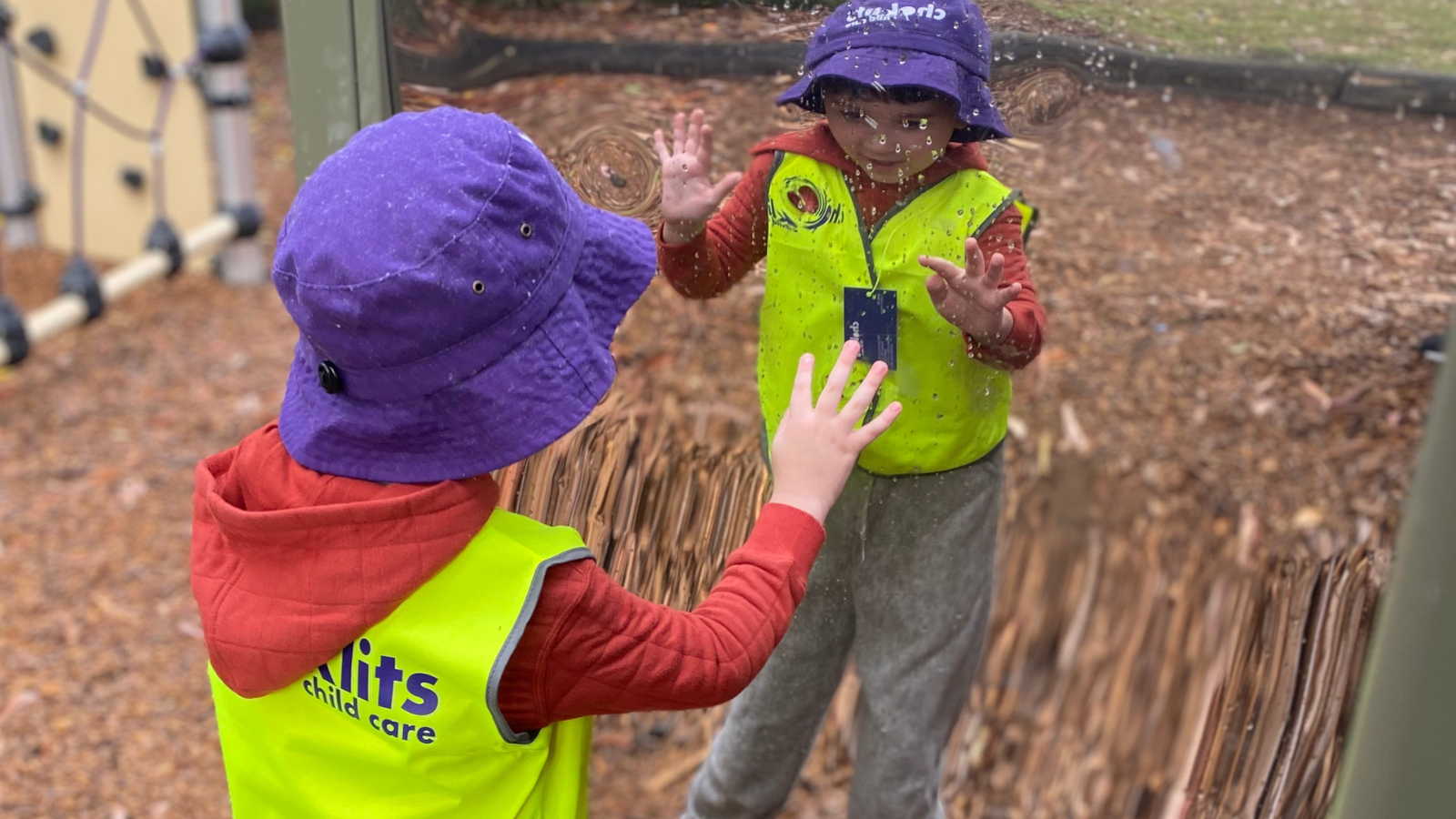
Local excursions are an effective way to support these learning outcomes. Here are some benefits of local excursions for 3-5-year-olds:
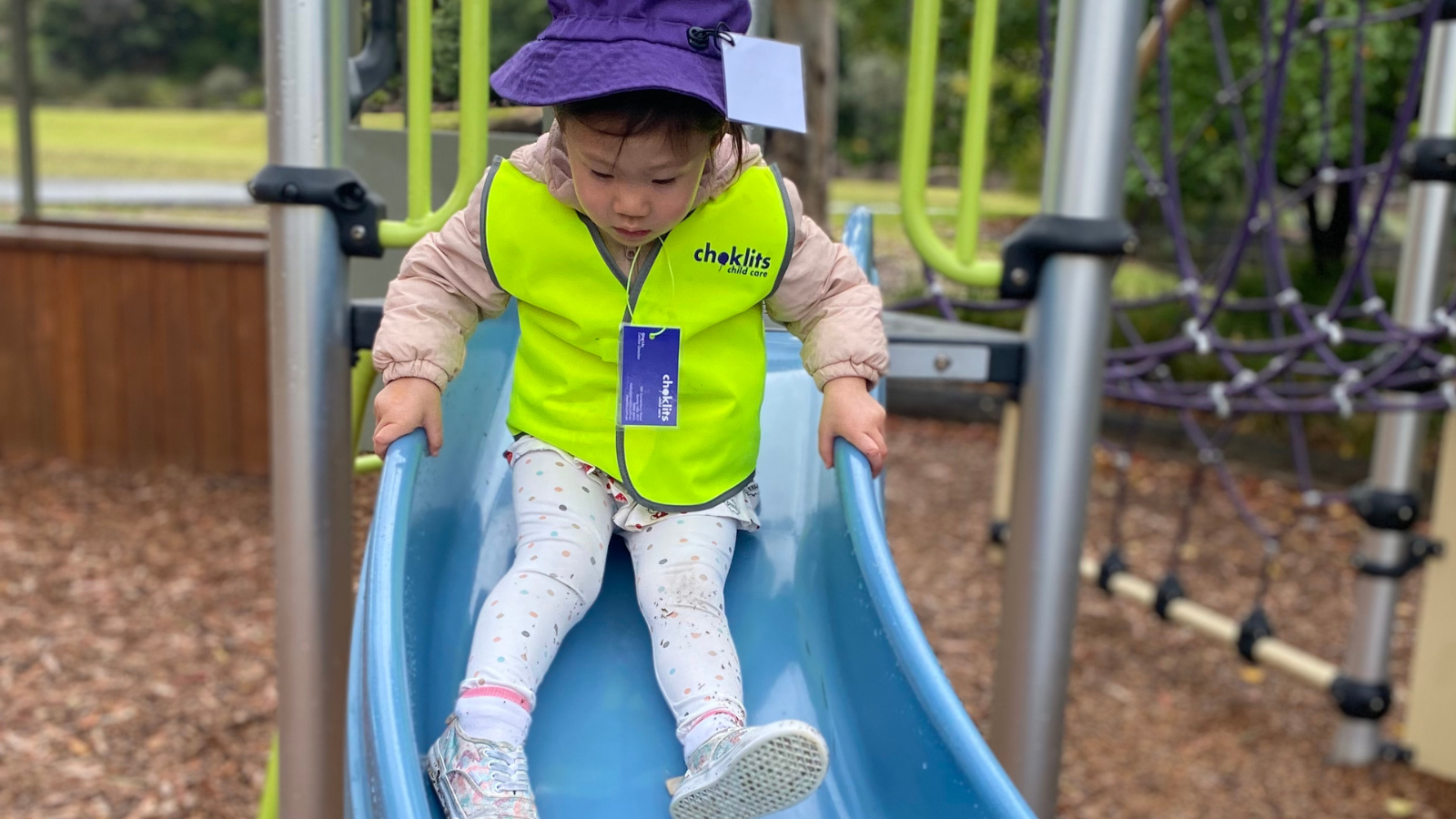
In conclusion, local excursions have numerous benefits for 3-5-year-olds. These excursions help children develop a strong sense of identity, connect with and contribute to their world, develop a strong sense of well-being, become confident and involved learners, and effective communicators. These benefits are in line with the Early Years Learning Framework (EYLF) outcomes, making local excursions an effective way to support early childhood education in Australia. It’s essential to involve parents, teachers, and community members in planning and executing these excursions to ensure that children get the most out of them.
Don’t forget to connect with us on the Choklits Facebook and Instagram pages for photos and videos!
Written by Choklits Educator & author Dee Wasserfall.
Cultural diversity is the quality of diverse or different cultures, as opposed to monoculture. The term “cultural diversity” can also refer to having different cultures respect each other’s differences and is an important aspect of our society that should be celebrated and valued. It is through embracing and respecting different cultures that we can create a more respectful and inclusive world.
In the critical roles we play as parents, educators and the community surrounding our little learners, it is essential to introduce children to different cultures, helping them develop a positive attitude towards diversity. One of the best ways to achieve this is by celebrating Cultural Diversity Week, an annual event on our Choklits Calendar of Events. This is an opportunity to promote cultural diversity and inclusion. In this blog post, we’ll discuss how children under 5 can celebrate cultural diversity week and how it links to the Early Years Learning Framework (EYLF).
The EYLF is a national curriculum framework that guides early childhood education in Australia. It aims to promote children’s learning and development by focusing on their interests and strengths, building on their knowledge and experiences. It has five learning outcomes that emphasise the importance of developing social and emotional skills, language and communication, and cognitive skills.
Here are some activities that children under 5 can participate in to celebrate cultural diversity week in relation to the EYLF:
In conclusion, celebrating cultural diversity week with children under 5 is an excellent way to promote social cohesion, acceptance, and inclusivity. By introducing children to different cultures through books, art, food, music, dance, and festivals, we can help them develop a rich sense of respect and awareness for both their own culture and the culture of others.
Did you know Everyone is Welcome at Choklits? We even made a video!
Don’t forget to connect with us on the Choklits Facebook and Instagram pages for photos and videos!
Written by Choklits author Dee Wasserfall.
We celebrate many different days throughout the year at Choklits as they are such great learning opportunities for all our children. One of our favourites is the Holi Festival of Colours.
Holi is a Hindu festival that is celebrated all over India and other parts of the world. It is also known as the Festival of Colors because often people throw coloured powder and water on each other as a sign of love, friendship and unity. The festival is usually celebrated in March and it is a fun and exciting event for both children and adults which can even include dressing up!
Kriti (above) is presenting the kindergarten children with their very own (and famous) Choklits Kindergarten t-shirts during our ongoing celebrations of cultural diversity.
Children under 5 years of age can also participate in the celebration of Holi in many ways. In this blog post, we will explore some ways that children can celebrate Holi and how it links to the Early Years Learning Framework.
1. Playing with Colours: Experimenting with colours is the main highlight of Holi. Children can use safe and non-toxic colours to play with. Educators and parents can also make organic colours at home using turmeric, beetroot, spinach, and other natural ingredients. This activity can help children to develop their sensory skills, hand-eye coordination and creativity. It also helps them to explore and understand different colours and their properties, which aligns with the Early Years Learning Framework’s outcome of “Children develop a range of skills and processes such as problem-solving, inquiry, experimentation, hypothesising, researching and investigating”.
2. Storytelling: Holi is a cultural festival and it is important to educate children about its significance and history. Parents and educators can tell stories about the festival’s origins and traditions. They can also read books related to the festival or watch videos to understand the different aspects of Holi. These opportunities for storytelling can help children to develop their language and communication skills, as well as social and emotional skills. Their engagement with stories about Holi also helps children to develop cultural competence, which aligns with the Early Years Learning Framework’s outcome of “Children develop a sense of belonging to groups and communities and an understanding of the reciprocal rights and responsibilities necessary for active community participation”.
3. Dancing: Dancing is an essential part of Holi celebrations. Children can dance to traditional Holi songs with their parents or other family members. Dancing is a fun way to develop gross motor skills, coordination, and creativity. It also helps children to express themselves and their emotions, which aligns with the Early Years Learning Framework’s outcome of “Children become strong in their social, emotional and spiritual wellbeing”.
4. Cooking and Eating: Holi is also a festival of food, and there are many traditional dishes that are prepared during this time. Children can help their parents in the kitchen to make Holi sweets and snacks such as gujiya, thandai, and mathri. Cooking with educators and parents can help children to develop their life skills, including following directions, measuring ingredients, and cooking methods. They can also learn about different types of food and nutrition, which aligns with the Early Years Learning Framework’s outcome of “Children develop a range of skills and processes such as problem-solving, inquiry, experimentation, hypothesising, researching and investigating”.
5. Craft Activities: Craft activities are a fun way for children to create their own decorations and props for Holi. They can make paper flowers, colour the traditional Holi masks, and create Rangolis (beautiful chalk drawings that represent happiness and positivity). This activity can help children to develop their creativity, fine motor skills, and cultural competence. It also helps them to understand the significance of Holi decorations and symbols, which aligns with the Early Years Learning Framework’s outcome of “Children develop an understanding that symbols are a powerful means of communication and that ideas, thoughts and concepts can be represented through them”.
In conclusion, Holi is a fun and exciting festival that can be celebrated by children under 5 years of age in many ways. Educators can use this festival to engage with their children and teach them about different cultural traditions and practices. These activities align with the Early Years Learning Framework and can help children to develop their cognitive, language, social, and emotional skills. You can see why, for all the reasons above, Holi is a great opportunity for the children to engage with learning about the world around them through a range of experiences.
Pancake Day is a beloved holiday celebrated around the world. It also provides a unique opportunity for families to bond and have fun in the kitchen. By participating in the process of making pancakes, children can learn many valuable skills, many of which relate to the Early Years Learning Framework (which focuses on developing a child’s cognitive, physical, and social abilities). In this blog post, we’ll explore the significance of Pancake Day and share tips on how children can get involved and make the most of this fun-filled day.
Pancake Day, also known as Shrove Tuesday, is a traditional Christian holiday that takes place on the day before Ash Wednesday. It is a day when people traditionally use up indulgent ingredients (such as sugar, butter and eggs) before the start of Lent, a period of fasting and self-discipline. The holiday is celebrated around the world, with different countries having their own unique traditions – just like we do at Choklits!
In the UK, for example, Pancake Day is a time for families to get together and have fun making and eating pancakes. At Choklits, we all come together and celebrate the day in a similar way, but we have our own unique spin on the traditional recipe to ensure our little learners have super healthy pancakes to eat. Using fruits like apples and bananas to sweeten the flavour instead of adding white sugar ensures our pancakes at Choklits are some of the healthiest you can find.
Getting children involved in Pancake Day is a great way to help them develop important skills. Cooking is a valuable life skill that can help children to develop their cognitive, physical, and social abilities. Children can learn about different ingredients and how they are used to make pancakes, as well as measuring and mixing ingredients, using utensils, and following a recipe. The Choklits Educators will facilitate age-appropriate experiences in each room for all children to take part in. All of these activities can help to develop their fine motor skills and hand-eye coordination.
When it comes to the Early Years Learning Framework, Pancake Day provides many opportunities for children to develop their skills. For example, children can develop their literacy skills by reading recipes, learning new vocabulary words related to cooking, and following written instructions. They can also develop their mathematical skills by counting and measuring ingredients, and by using scales to weigh ingredients.
The Early Years Learning Framework also focuses on the development of children’s physical abilities, for example, using their small groups of muscles. Children can develop these fine motor skills by using utensils, measuring ingredients, and stirring pancake batter.
Through a shared group experience, Pancake Day also provides an opportunity for children to develop their emotional and social skills. Cooking with others is a great way to develop teamwork and communication skills, and children can also learn about sharing and taking turns. At Choklits we also learn about different cultures and traditions associated with Pancake Day and why it is celebrated in different ways around the world.
Finally, as well as learning about how to interact with others and build social skills like taking turns, Pancake Day supports children to build their understanding of the world around them. At Choklits, we learn about different cultures and traditions associated with Pancake Day and why it is celebrated in different ways around the world. This helps the children to share respect and knowledge about other ways of being.
In conclusion, Pancake Day is a fun and educational holiday that provides many opportunities for children to develop their cognitive, physical, and social abilities. By getting children involved in the process of making pancakes, they can learn valuable life skills such as measuring ingredients, following recipes, and using utensils. They can also develop their emotional and social skills by cooking with others and learning about different cultures and traditions associated with Pancake Day. So, this Pancake Day, why not gather the family and have some fun in the kitchen while helping children to develop important skills!
Don’t forget to connect with us on the Choklits Facebook and Instagram pages for photos and videos!
Written by Choklits author Dee Wasserfall.
We celebrate Love Your Pet Day at Choklits, a day that is dedicated to celebrating the special bond between humans and their pets. This day serves as a reminder to appreciate and show love to our animal friends who bring so much joy and happiness into our lives. As parents and carers of young children, it is important to understand the role that pets can play in a child’s life and how it relates to learning and development, and the early years learning framework.
The early years learning framework (EYLF) is an Australian government initiative that outlines the principles and practices for early childhood education and care services. It aims to support children’s learning and development through play-based experiences and meaningful interactions with the world around them. One of the key outcomes of the EYLF is to support children to develop strong and positive relationships with others, including animals.
Pets play a significant role in a child’s development, particularly in the early years. They provide children with an opportunity to develop empathy, responsibility, and nurturing skills. When a child is involved in caring for a pet, they learn about love, care, and compassion, which are all important qualities for building strong relationships with others. Additionally, pets can also provide children with a sense of security and comfort, particularly during times of stress or change.
Incorporating pets into our curriculum provides children with many benefits. For example, children can develop their communication and language skills through talking about pets, asking questions and learning about different types of animals. They can also explore their creativity and imagination through play, drawing pictures of their pets or pretending to be animals themselves. Children can also learn about the world around them through observation and investigation of their pets, helping them to develop their science and technology skills.
As early childhood educators at Choklits it’s important to recognise the benefits of incorporating pets into our curriculum and the different ways we can celebrate Love Your Pet Day and use it as a learning opportunity. At Choklits in Ringwood, I bring my dog Hamish in for the children to meet and interact with. The day is always a blast and a very popular one with the children. We talk in small groups about dogs, what it’s like to care for a dog and amongst many other things, what makes dogs happy. The children also have the opportunity to share their own stories about their pets which always leads to some constructive (and often funny) conversations. Hamish is capable of a few tricks whenever there’s the reward of food on offer which provides another great opportunity for discussion and learning.
Other ways to provide children with learning opportunities for the day is to provide materials and resources that promote learning about pets, such as books, videos, and toys. Educators also create opportunities for children to engage in pet-related activities, such as making pet beds, creating pet food, or even visiting a pet store.
When bringing pets in the early learning environment, it is very important to consider the safety and well-being of both the children and the pets. We complete a full risk assessment at Choklits to ensure safety for everyone involved. It is recommended that pet visits who visit early childhood services are supervised and that pets are vaccinated and well-behaved. Educators should also educate children about safe and appropriate ways to interact with pets, such as how to approach them and how to show care and affection in the days before any pets arrive to ensure safety remains the first priority.
In conclusion, Love Your Pet Day is an important day to celebrate the special bond between humans and their pets. It is important to understand the role that pets can play in a child’s life and how this can be incorporated into general learning. By providing opportunities for children to interact with pets and engage in pet-related activities, we can support their learning and development in meaningful ways. With a focus on safety and well-being, incorporating pets can provide children with a wealth of benefits and support their growth and development in the early years.
Don’t forget to connect with us on the Choklits Facebook and Instagram pages for photos and videos!
Written by Choklits Educational Leader Janine Fox
Valentine’s Day is a special occasion that is celebrated worldwide. It’s a day to express love, appreciation and affection towards those who are close to our hearts. This day is not only for couples, but for families, friends and loved ones of all ages. Children under five years old can also participate in Valentine’s Day and make it a special and memorable occasion which is exactly why we’ll have lots happening at Choklits Child Care this Valentine’s Day and be taking full advantage of the learning opportunity!
It’s no secret that children love to play and Valentine’s Day activities are an excellent way to promote learning, development and creativity for young children. These activities can relate to the Early Years Learning Framework (EYLF), which is a guide that outlines the key principles and practices for early childhood education in Australia.
The EYLF focuses on play-based learning and provides a holistic approach to the development of young children. It recognises that play is a crucial aspect of children’s learning and development, and provides opportunities for children to explore, create, imagine, and express their thoughts and feelings.
Here are some Valentine’s Day activities that children under five years old can participate in, which align with the principles and practices of the EYLF:
In conclusion, Valentine’s Day is a special occasion that can provide children under five years old with opportunities to participate, learn, and develop through play-based activities. The EYLF provides a framework for early childhood education that aligns with the principles and practices of play-based learning, and provides a holistic approach to the development of young children. By participating in these Valentine’s Day activities, children can explore their creativity, imagination, and social and emotional skills, and make the occasion a memorable and special one.
Blog post was written by Choklits Educator and Chokliteers author Dee Wasserfall
Child care expenses are a common budget consideration for many families with young children in Victoria. One question that often comes up is whether or not these expenses are tax deductible. In this blog post, we will explore this topic and provide you with an understanding of whether or not child care expenses are tax deductible. The information shared here is general in nature, you should always get professional advice specific to your individual needs and particular circumstances.
The short answer is no, child care expenses are not tax deductible anywhere in Australia. The reason, as published on The Australian Tax Office (ATO) website, is: “You can’t claim a deduction for the cost of child care (including school holidays and before and after school care) when you’re working. It’s a private expense, and the expenses have no direct connection to earning your income”.
Therefore, you cannot claim your child care expenses as a tax deduction.
Like with most things finance related, you always need to look at the entire picture. While child care fees themselves are not tax deductible, the amount you actually pay is subsidised by the government, under a scheme known as the Child Care Subsidy.
The Child Care Subsidy (CCS) is a financial assistance program provided by the Australian government to families to help cover the cost of child care. The aim of the program is to make child care more affordable and accessible for families, especially those who are working, studying, or looking for work. The CCS is income-tested and is paid directly to approved child care providers to reduce the fees that families have to pay. The amount of CCS a family is eligible for depends on their income, the number of hours of care they use, and the type of care they use. The CCS is available for approved child care services in Australia, including long day care, family day care, in-home care, and outside school hours care.
It’s important to know that if you are eligible for the CCS you won’t be required to pay the full daily fee of the child care centre. Instead of spending money and claiming a portion back later (claiming a tax deduction), the CCS scheme pays part of your child care fees each week your child attends child care.
For example, if the daily fee is $150, and you qualify for an 85% CCS, you will only be required to pay $22.50 (15% of the daily fee) to the child care centre your child attends, the government will pay the remaining $127.50 (85% of the daily fee) directly to the centre on your behalf.
To read more about How to apply for the Child Care Subsidy, click here.
To calculate your CCS entitlement using our online calculator, head to this page.
In conclusion, child care expenses are not tax deductible in Australia, but many families do meet the eligibility criteria set by the ATO and are eligible for the CCS. If you require help or assistance please reach out to us at Choklits Surrey Hills on 0398999404 or email us [email protected].
The Child Care Subsidy (CCS) is a financial assistance program provided by the Australian government to families to help cover the cost of child care. The aim of the program is to make child care more affordable and accessible for families, especially those who are working, studying, or looking for work. The CCS is income-tested and is paid directly to approved child care providers to reduce the fees that families have to pay. The amount of CCS a family is eligible for depends on their income, the number of hours of care they use, and the type of care they use. The CCS is available for approved child care services in Australia, including long day care, family day care, in-home care, and outside school hours care.
The process of applying for the Child Care Subsidy in Australia varies depending on the state or territory you reside in and the process is often described as confusing. We’ve included links and other resources at the bottom of this page where you can get more specific information including calculating your own Child Care Subsidy Benefit.
Applying for the child care subsidy in Surrey Hills, Victoria, Australia can be done through the following steps:
It is important to note that the child care subsidy is subject to change and is based on a family’s circumstances, including income and the number of children in care. It is recommended to regularly review your eligibility for the subsidy to ensure you are receiving the appropriate amount.
You can contact us for specific information at Choklits in Surrey Hills on 0398999404 or email us [email protected].
We also have a free child care subsidy calculator so you can calculate your benefit (effective discount on your fees) which is available on our child care subsidy calculator page.