
Play is the vessel through which the vast majority of fundamental learning experiences are delivered to children. Engaging in developmentally appropriate play is crucial for children’s cognitive, social, literacy, numeracy and emotional development.
As we’ve discussed previously, children build vital life skills through play, including communication, coordination, problem solving, creativity and autonomy. If you haven’t already, take a look at our blog on The Stages of Play Development for Preschool Age Children, which goes into greater depth about the benefits of play, and details the developmental stages of play children go through from birth to school age.
Today, we’re going to expand on this information, by exploring the five key types of play for children’s development; nature play, imaginative play, physical play, sensory play and constructive play. This blog is also full of lots of suggestions on how to incorporate these types of play into your child’s day in easy, developmentally appropriate ways.
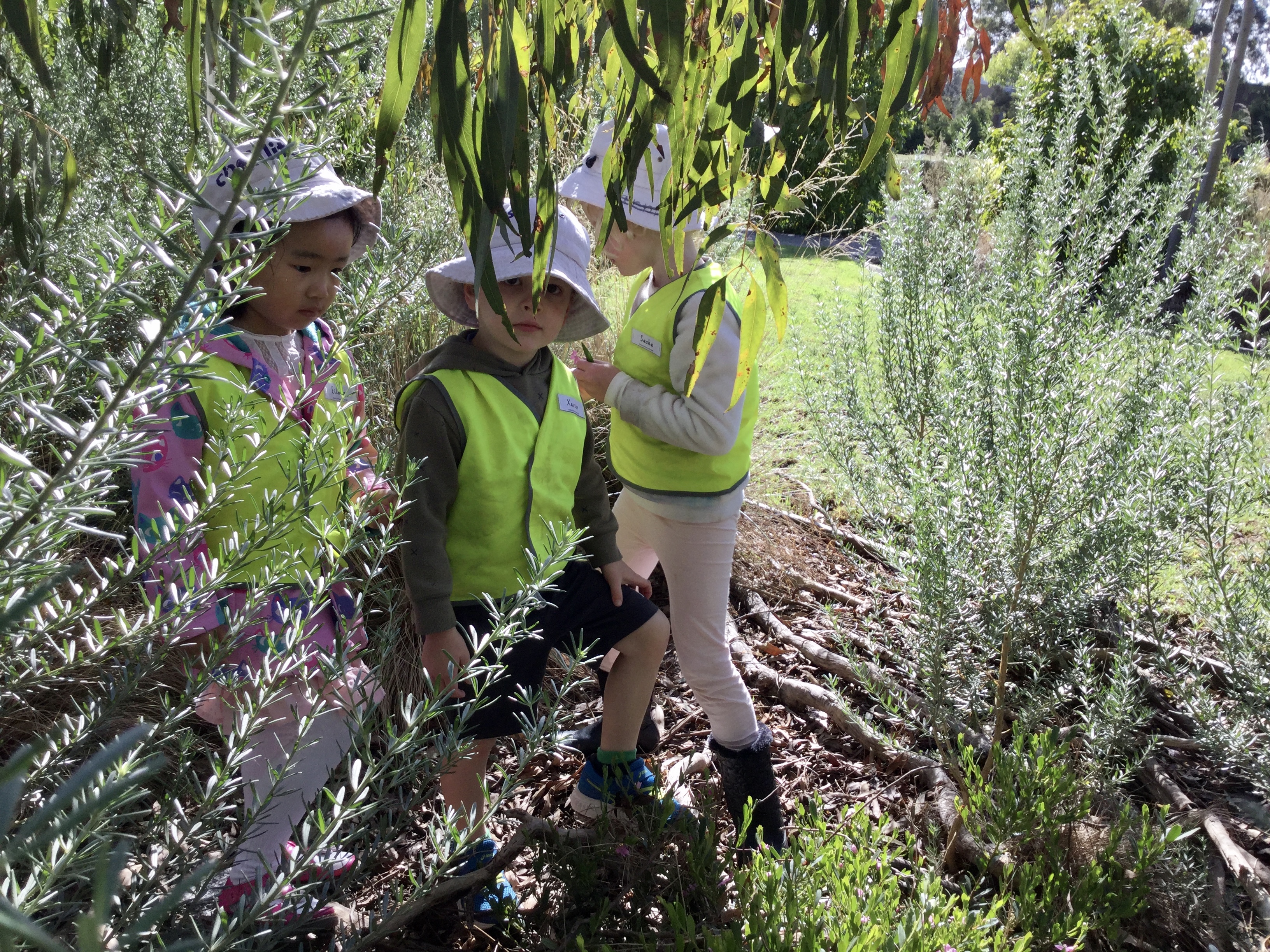
In a way, nature is children’s first and best playmate. From babies kicking their legs on the grass, to toddlers running after birds in the park to kindergarteners climbing trees, the outdoors is a fundamental part of childhood, particularly when we are blessed to live in a country as beautiful as ours. The key feature of nature play is that it provides children with the opportunity to engage with nature in outdoor settings where natural elements, like trees, rocks, streams and logs feature, rather than manufactured play equipment.
Unstructured play in nature is extremely valuable for children, not only because of the multitude of health benefits being outside provides (like reduced stress, increased happiness and improved memory), but also for the support it provides for cognitive, social and emotional development. Nature play is particularly valuable for building resilience, self-assurance and creativity, and laying the foundation for environmental stewardship.
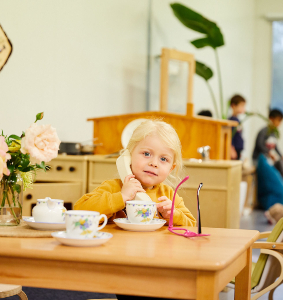
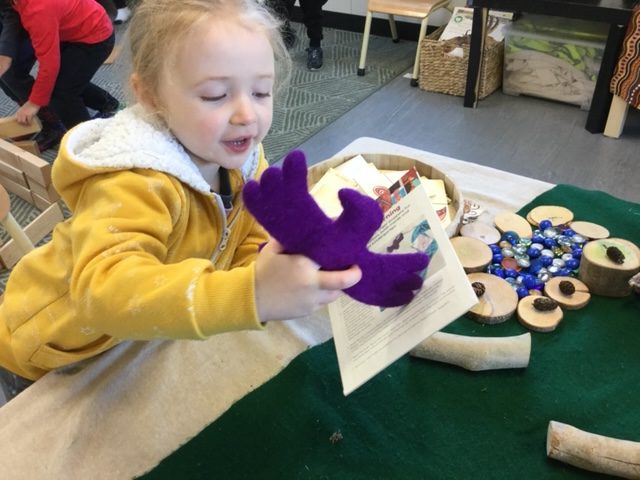
Imaginative or pretend play is popular among many children as children naturally gravitate towards re-enacting experiences they’ve had and things they’ve seen. It’s also beneficial for the development of children’s communication, creativity and emotional understanding and maturity.
There are a few sub-types of imaginative play:
Symbolic play involves the use of gestures, objects or ideas to represent a different object or idea. For example, holding your hand up to your ear as a phone, or using a frisbee as a steering wheel.
Fantasy play is where children create their own make-believe world and exist in it. They get to let their imagination run wild, and imagine a world that is different from their own, such as one in which they are a fairy, a firefighter, a dragon, a prima ballerina or a ship’s captain.
Socio-dramatic play involves children acting things out together, like playing house or enacting a classroom scenario. Children will follow set roles for the duration of the game, and learn about social expectations and cooperation with their peers.
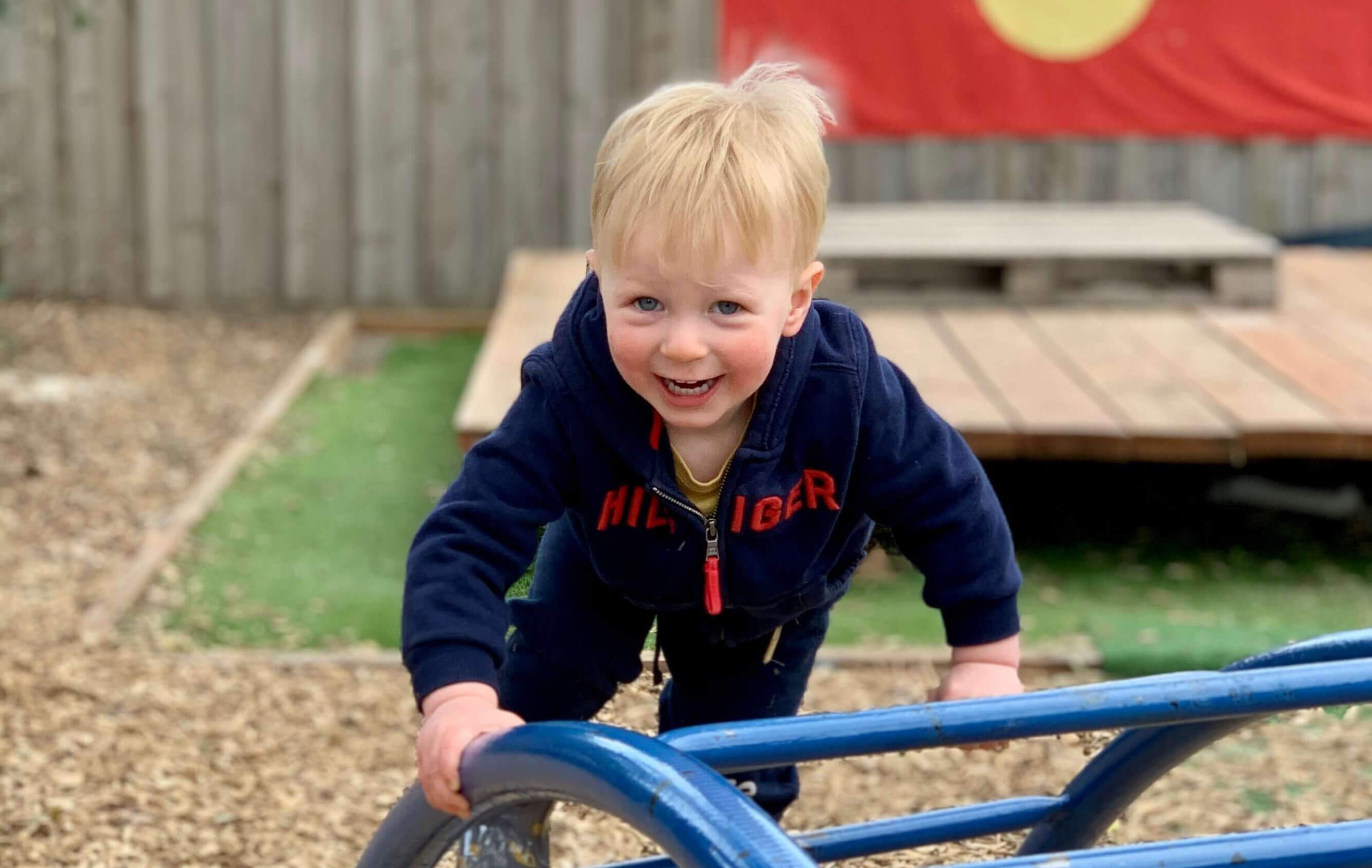
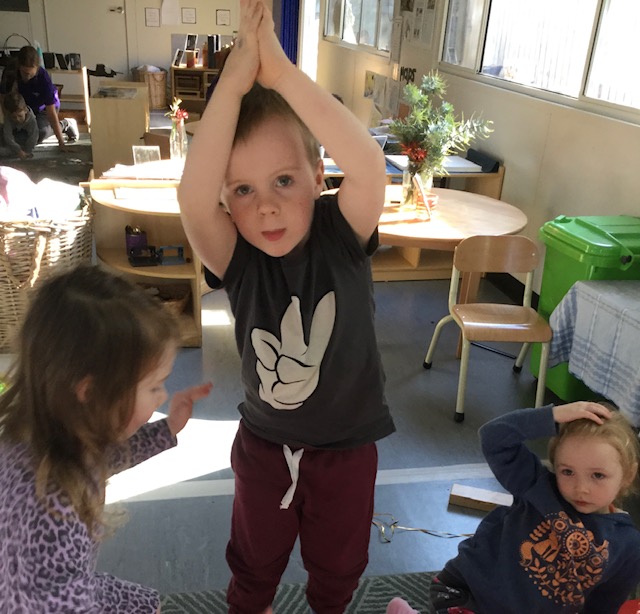
Physical play encompasses any type of play that involves your child getting up and moving around. It’s excellent for developing motor skills, strength, flexibility, vascular health, coordination and proprioception (the sense of where your body is in space).
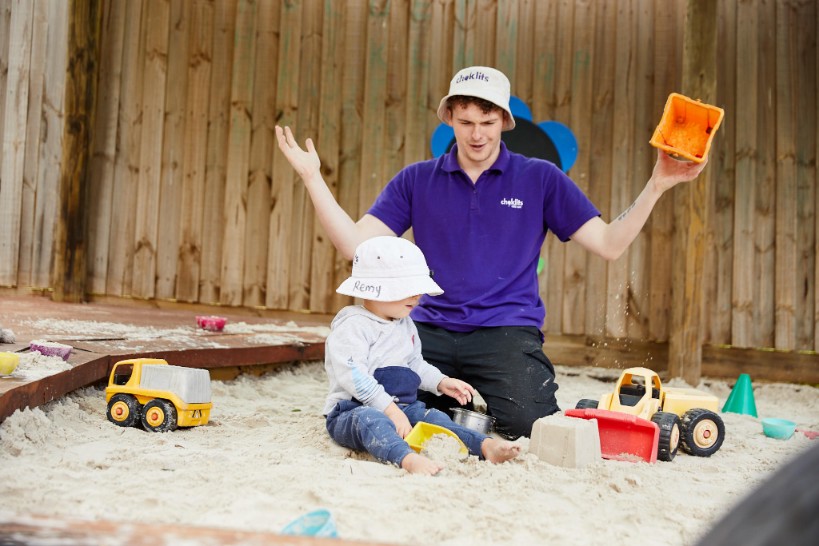
Sensory play is the term given to any activity that stimulates a child’s senses; touch, taste, sound, sight, smell, balance and proprioception. We have a blog all about the importance of sensory play in early childhood, so check it out for a deep dive into what sensory play is and why its important, along with some top notch suggestions of how to get started.
Our Choklits top tip for sensory play is to take it outside! When it comes to sensory play, getting messy is good, and all part of the experience, so by taking your sensory activity outside, you avoid the stress of having to clean up your house afterwards.
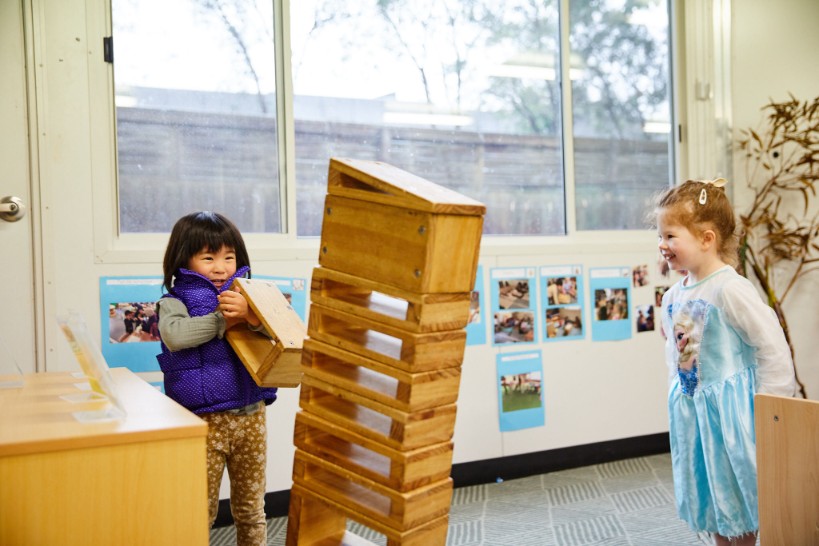
Constructive play involves children using objects around them to build and create new things. Constructive play develops children’s problem solving abilities, abstract thinking skills, understanding of cause and effect, perseverance, fine motor skills and concentration.
To recap, play is how children learn. Through play, they engage in new experiences, reinforce their understanding of prior learning, practice important social skills, aid their brain development, support their growing bodies and develop a strong sense of autonomy and self-confidence. We hope this blog on the key types of play for children’s development has prompted you to think about which kinds of play your child enjoys best, which feature prominently in their lives, and which don’t, and has given you some suggestions to incorporate a variety of play types into your child’s life.
It is no secret that children love music. From birth, parents instinctively use music to engage with their children, whether it be through nursery rhymes or lullabies, to soothe or animate.
Music and song are integral aspects of our culture; they are instrumental in movies, theatre, religious worship, concerts, celebrations, holidays and even official ceremonies. We use music as a means to connect and express love, appreciation and joy, and it is this innate connection people have with music that makes it so beneficial for children. Continue reading this blog to learn about the host of benefits of music for children, including brain, literacy, numeracy, physical, social and emotional development.
In a five year long study, neuroscientists from the Brain and Creativity Institute at the University of Southern California found that exposure to music during childhood can boost brain development in children, most prominently in the areas of the brain responsible for language development, processing sound, reading skills and speech perception.
This is because musical experiences, like listening to music, singing or playing an instrument stimulate key areas of our brains, which results in the formation of new neural connections and the strengthening of already established pathways.
Exposure to music is also very beneficial for children’s cognitive development, as it aids in building concentration, memory and attention.
Though it may not always feel like it, children are excellent listeners. From when they are very young, infants are able to recognise different speech sounds, like the voice of a parent and changes in the melody of familiar tunes. Exposing your child to music capitalises on this innate ability, as listening to the words and melody of songs and nursery rhymes helps them to learn to decode the sounds and meanings of words through experience with a greater variety of vocabulary. This translates to improved speech and language development through children having a larger vocabulary and more accurate pronunciation.
Music is particularly influential in the development of the left side of the brain, which is associated with language and reasoning. For this reason, it improves sound recognition and teaches rhythm and rhyme, the understanding of which helps children learn to read more easily.
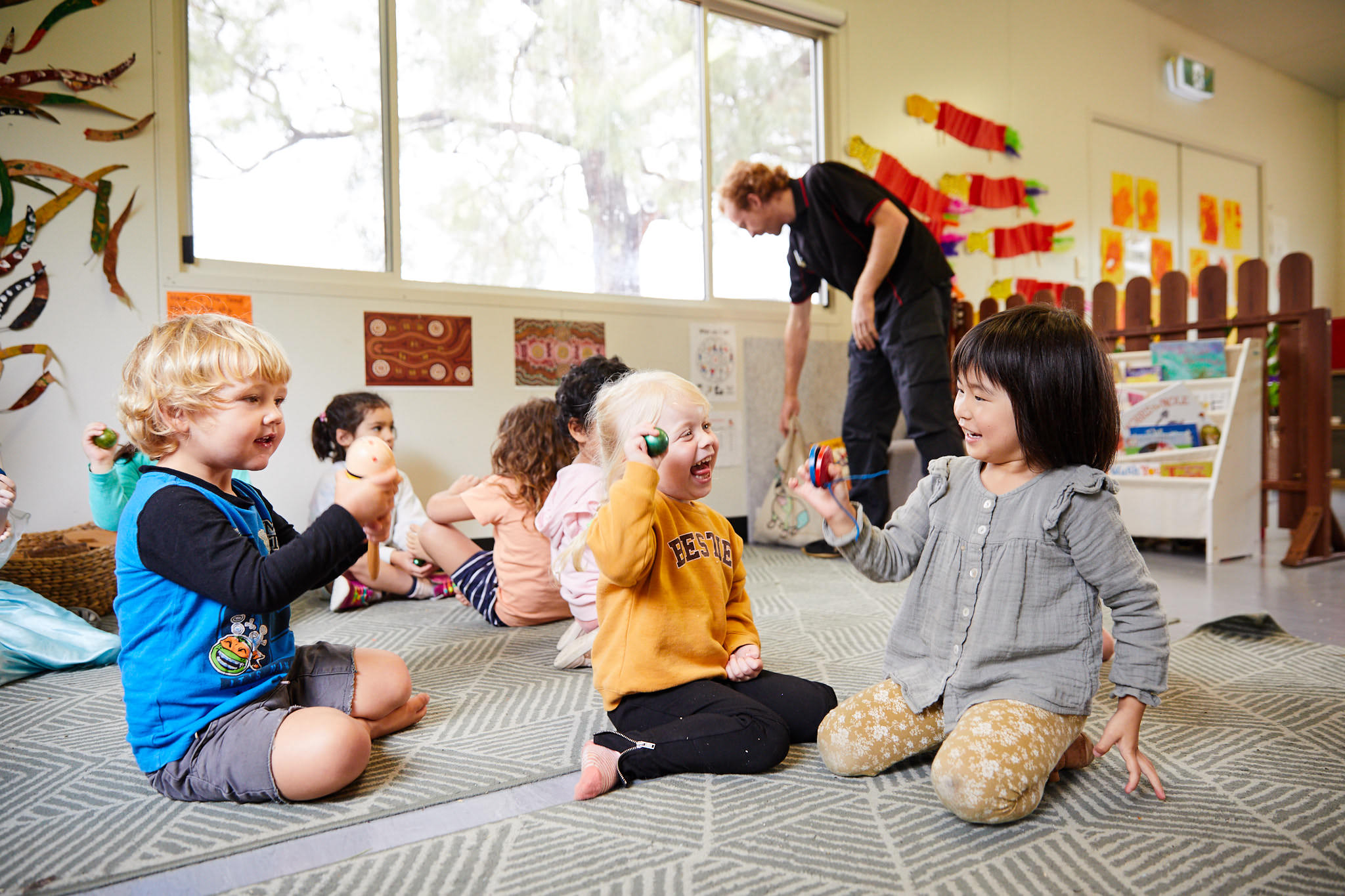
A less well-known benefit of music for children is that it supports the development of numeracy skills. A significant and instinctual component of music is listening to the beat. Through listening to and counting along with the beat, children are exposed to the concepts of fractions and patterns.
Breaking down musical sentences into beats is important for the conceptual understanding of fractions, and clapping to the beat, particularly in patterns (think tap, clap, tap, clap, or ta, ta, ti-ti, ta) builds pattern-recognition skills which are important for mathematical reasoning.
Music is also incredibly beneficial for children’s physical development. Listening to and participating in music helps the brain and body to work together, strengthening the connection between the two. Children develop their coordination through dancing to music. Songs that have specific actions attached are particularly relevant here; head, shoulders, knees and toes and the hokey pokey are great for gross motor skill development and the itsy bitsy spider is perfect for fine motor improvement.
Music is an inherently joyful activity, and it is excellent for resetting the mind as it gives children (and adults!) a means to be creative, express themselves, relax and unwind, get excited and energised, let go of negative emotions and let positive ones in, and relieve stress and tension.
Engaging in musical activities with others, like in a music group, dance class or choir improves children’s social skills as well, as it helps them learn to work together with a clear shared goal, like singing the words to a song or doing movements in time with the music. Listening to music is also beneficial for empathy and emotional recognition, as research has found that children who play music together are more proficient at recognising other people’s emotions.
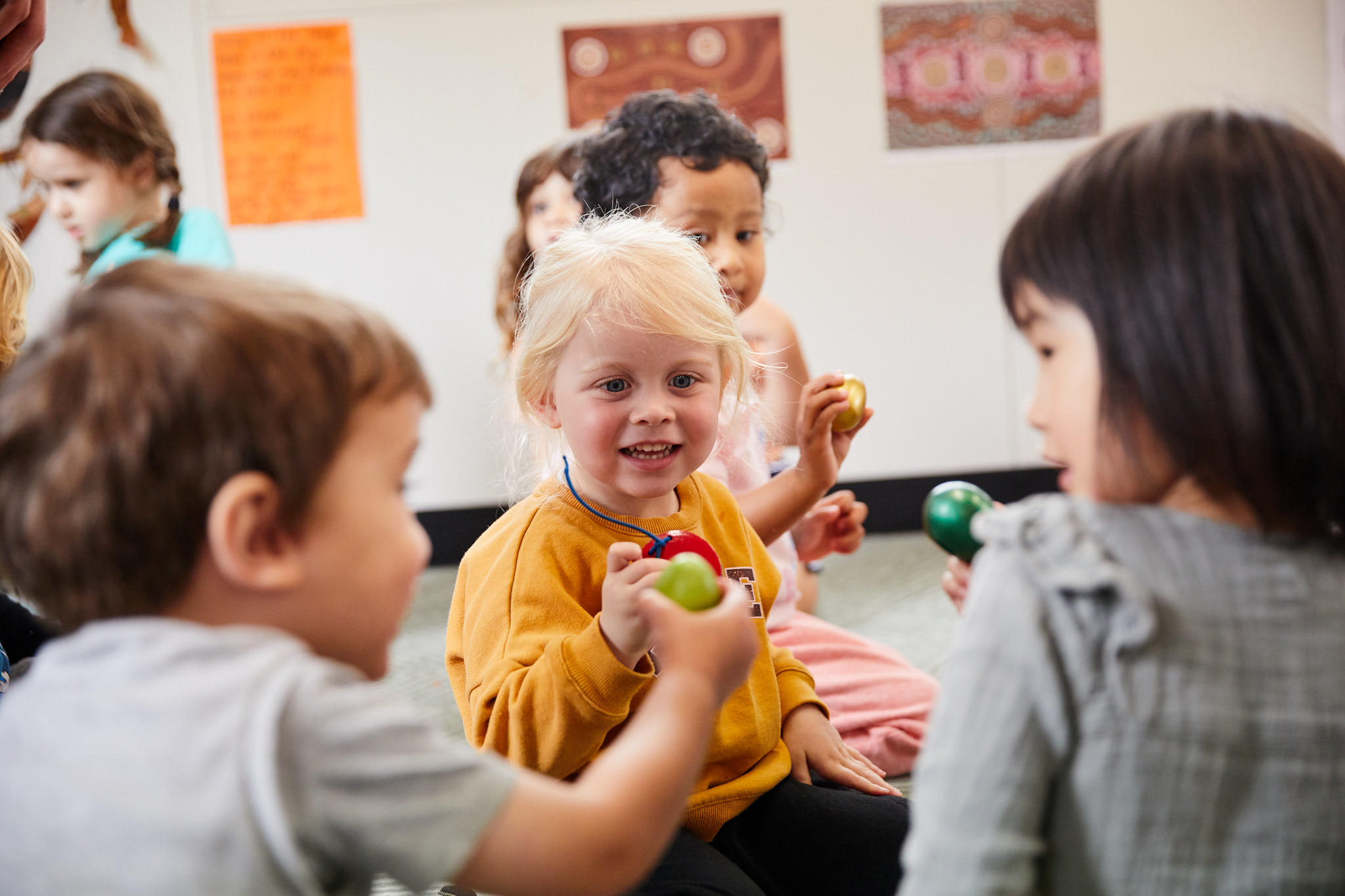
Exposure to music and song is the key to accessing all of the incredible benefits of music for children! Like we do here at Choklits, try purposefully incorporating music into your child’s day, whether that be through a soft classical piece playing in the background during reading time, a fun nursery rhyme playlist during a car ride, an impromptu dance party in the garden or singing lullabies together at bedtime. You can only bring greater joy to you and your child’s lives with more music, so go and sing a song knowing that you’ll be having fun and supporting their development too!
The importance of play cannot be understated. It is considered essential for children, so much so that the United Nations Convention on the Rights of the Child states, in article 31, that children have the right to engage in play.
Children absorb an incredible amount of new information everyday and add new skills to their repertoire constantly through play. Play is invaluable for children’s social, cognitive and emotional development, not only because it is fun and makes them happy, but also because it teaches them about their environment and their body, and aids the progression of problem solving, creativity, confidence and social skills like communication and turn-taking.
Humans are biologically wired to play, and for children, play is an opportunity to practice skills they will inevitably require in the future. Play allows children to discover and discuss their interests, what they enjoy and what they don’t, and supports the development of decision-making skills. As they grow older, children are naturally drawn to play together, building their teamwork and cooperative abilities, and introducing them to the vital skills of conflict resolution and self-advocacy.
Play supports self-awareness and communication, helping children to learn about their emotions and how to interact with and relate to others.
Any activity a child engages in, no matter whether it is structured, planned, organised, unstructured or spontaneous, that they find fun and enjoyable is considered to be play, and it is teaching them valuable life skills that they will expand on as they mature and grow.
This blog will explain the stages of play development for preschool age children, when they occur, what they look like and the skills they are developing.
Age: 0-3 months
During this stage of play, babies move their arms and legs with no apparent purpose. They are learning about their bodies and their environment through observation.

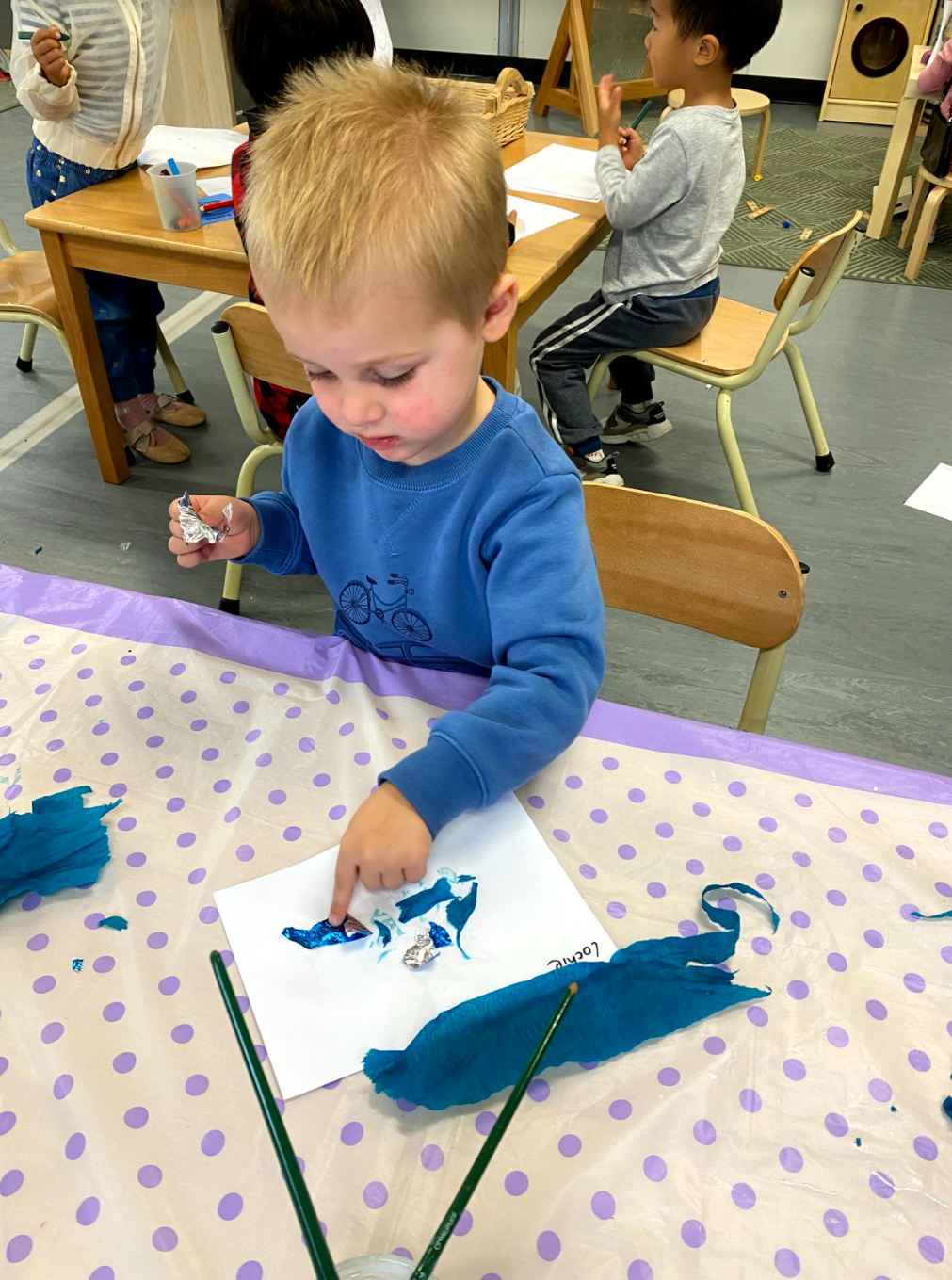
Age: 0-2 years
As the name suggests, solitary play is play that babies and toddles engage in by themselves. Children of this age often appear to be uninterested in what others are doing, and prefer to play alone, likely due to their inability to communicate clearly at this stage.
Solitary play is important, as it teaches children how to be content by themselves, and how to entertain themselves when they’re alone.
Age: 2 years
In onlooker play, children observe others engaging in play, but do not participate. It typically begins around 2 years of age, but can continue long afterwards, particularly for quieter, shyer or less social children.
Onlooker play is an important developmental stage where they learn by observing the actions of others. Children will be interested in the play that they are watching and may acknowledge their interest in it by asking questions, however they will not take any initiative to join in with the play. It builds confidence and understanding of different activities, and parents will often notice their children replicating play styles they have observed previously by themselves.
Age: 2-3+ years
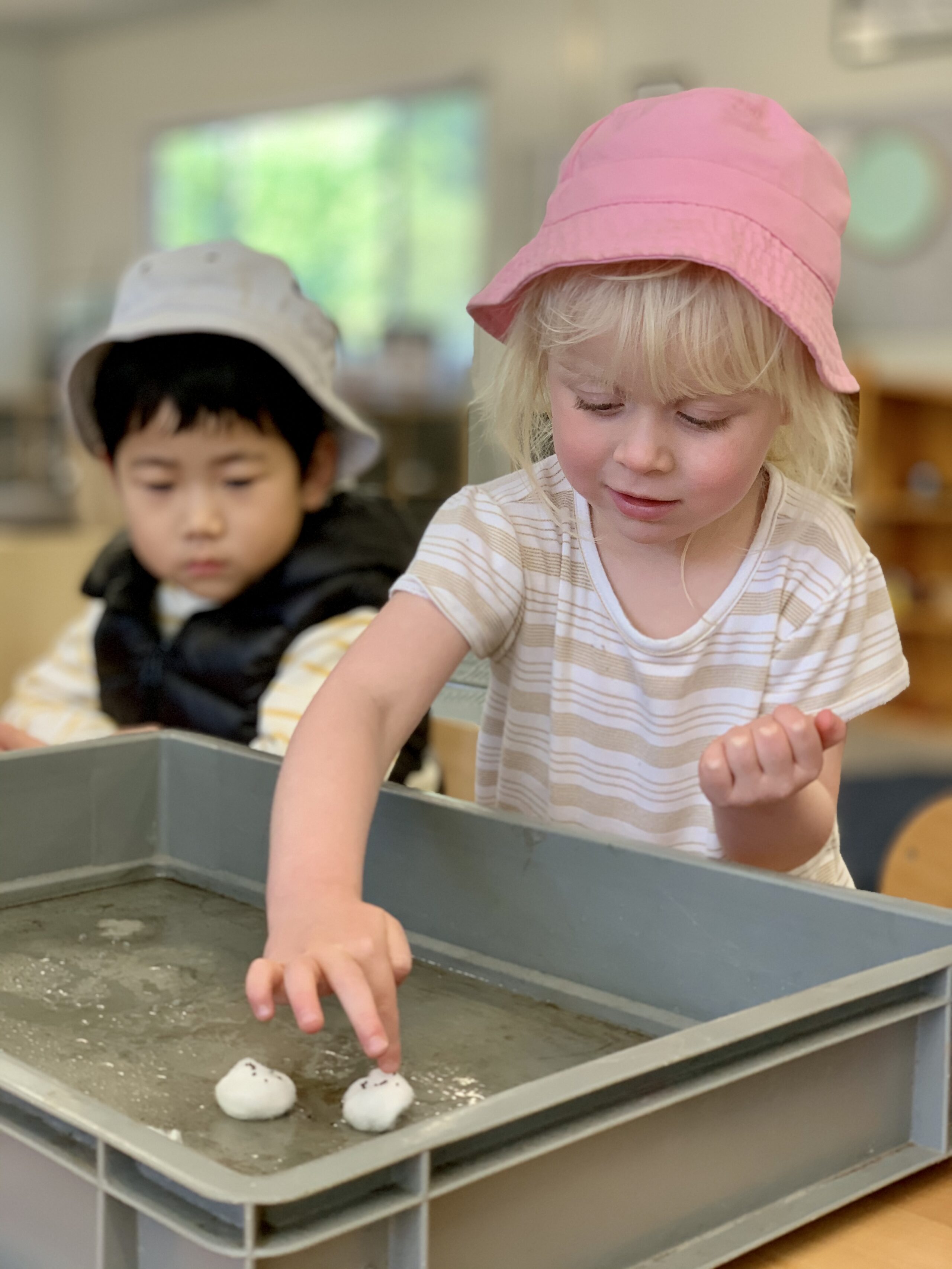
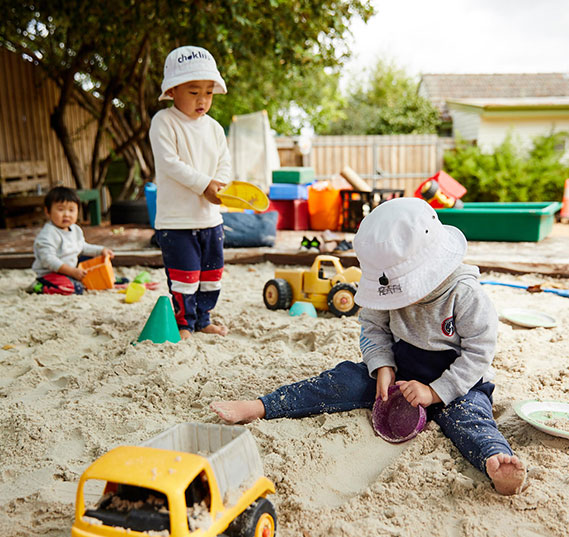
Parallel play usually appears sometime after a child turns two, but can continue for much longer. It involves children playing in close proximity, usually next to each other or at least in the same room, but not necessarily interacting with each other. This usually looks like the children are playing separately but engaging in a similar activity, where they will notice and observe the other, and might imitate their actions, but do not engage.
This is a sort of intermediate stage between onlooker play and associate play, where children are becoming interested in playing with others, but do not yet have the skills or confidence to initiate a shared activity. This play development stage is important for the development of preliminary social skills being learnt through observation that they will implement when they begin to play with others.
Age: 2-3 years
At around 2-3 years of age, children experience a shift, where they become more interested in playing with others than with toys. During associate play development stage, children begin to interact with others while playing, but there is not significant cooperation.
Children will often be playing separately but are involved as they are working towards a common goal, or they will be doing different activities, but will be engaging with each other through communication while playing and might offer to swap activities. Another example of associate play is children all playing together on a piece of play equipment but doing different things, like climbing, sliding, running or swinging.
In associate play, there do not have to be rules, or the ‘rules’ the children adhere to can be different, as they are not playing together, which helps to develop social skills and cooperation, and is usually the first way children develop friendships.
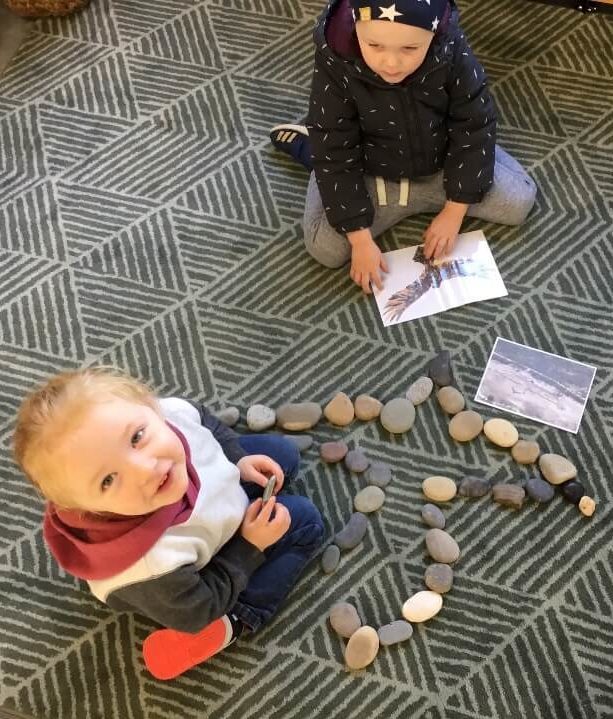
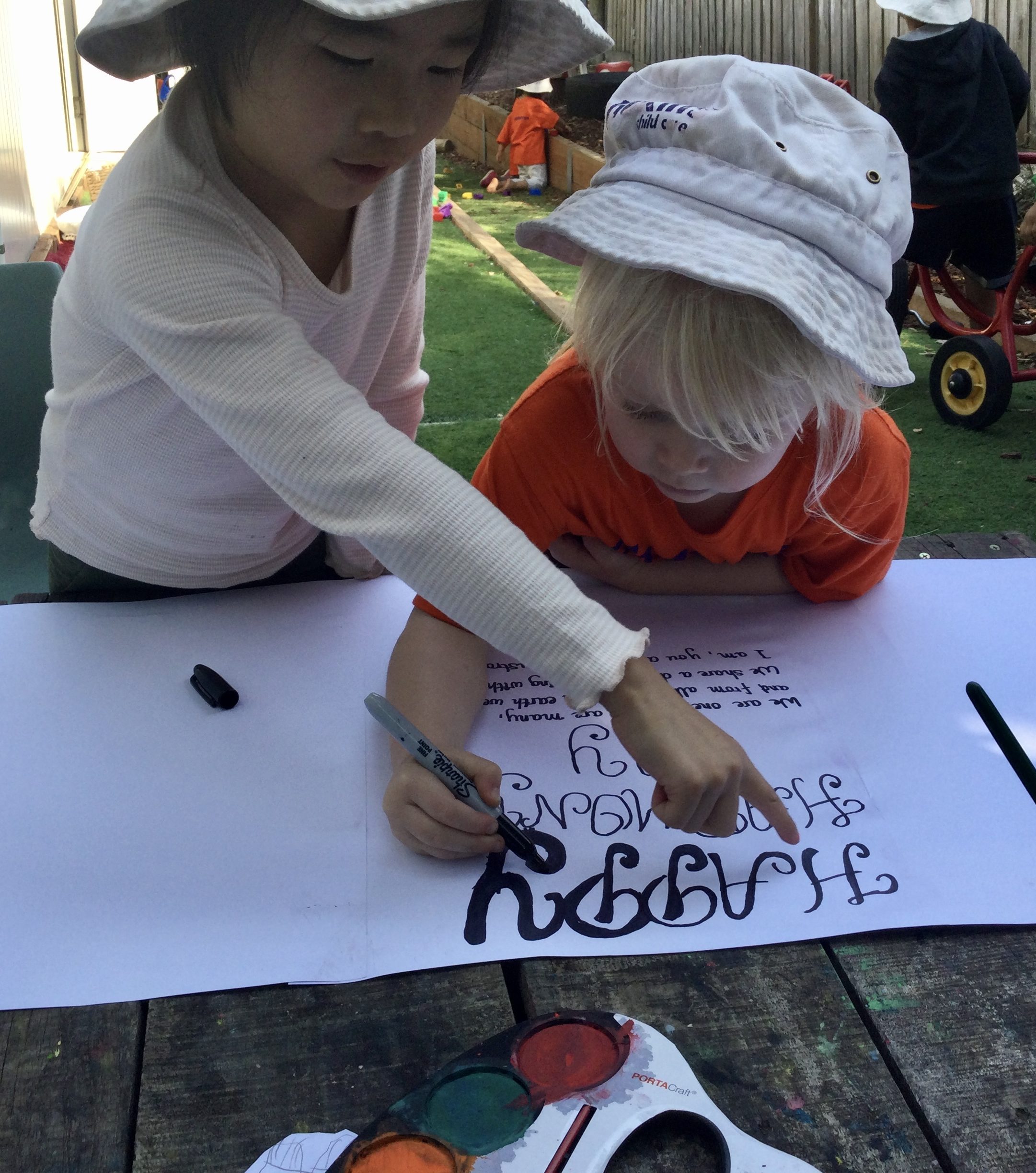
Age: 4-6+ years
Cooperative play is generally the most common type of play that children over four years of age will engage in with others. This stage is where children are interested in both the activity and the other people they are doing it with.
Cooperative play happens in small groups, and there is usually a clear leader, with children taking on different roles, whether they are formally or informally assigned. For example, some children naturally commandeer a group and others are content to follow, which would be informal role allocation, whereas children can also formally assign roles, such as, “it’s my turn to be the mum, and you can be the baby”, or “do you want to be the leader this time?”.
This type of play is more organised, where children are often completing specific tasks to accomplish a goal which has been predetermined by the group. Children often develop a set of rules for their game to follow, so cooperation, compromise and turn-taking skills are tested and developed when they play socially. At this stage of play development it brings together the skills children have developed in the prior stages of play, and is essential for social interaction development.
Understanding and being able to recognise the stages of play for preschool age children, as parents and educators, is incredibly valuable as it helps us to more effectively support children to develop their social, emotional and cognitive skills through play, and build confidence in themselves and their ability to connect with others.
An integral aspect of living in Australia is learning about Aboriginal and Torres Strait Islander culture. When we, as early childhood educators, plant seeds of knowledge for the youngest of our learners, we hope that we will nurture their respect for and understanding of First Australians, the people who have lived on this land for more than sixty thousand years.
Over the last few years, as a team, we’ve been expanding our knowledge about Aboriginal and Torres Strait Islander perspectives and how we represent our knowledge at Choklits. This begins with an examination of our own personal beliefs, then our beliefs as educators, before engaging with others, sharing our learning and understanding the children through learning experiences. It is not a linear journey, and often circles around in the space of learning, unlearning, and relearning.
The path is one that can’t be walked alone; it takes many different connections and relationships from the community to add their voices and share understandings. This can be a sensitive topic, as often there are strong emotions, deep trauma and ongoing healing in the space of sharing and understanding the truth of the past and present and its effects.
As we developed our own knowledge, we wanted to make sure that we were including and listening to the voices of people who were directly affected by these perspectives. For us at Choklits, this has included connecting with our families, community groups and organisations and inclusion support, consulting with artists, networking with other early learning services and engaging with professional development opportunities.
One of the connections we made was through a grant project from the community organisation EACH, about visible demonstrations and representations of Aboriginal and Torres Strait Islander culture (which you can read about here). The Choklits team came together to share visions and intentions, leading to many sparks of possible ideas and enthusiasm for how we could show our commitment to embedding visible First Peoples’ experiences at Choklits.
During our brainstorming process, we identified that we had the opportunity to develop a longer term vision beyond the grant project. We realised that with a defined goal, we could foster further progress with a sustainable plan that reflected our philosophies, intentions and vision. When we learnt of Reconciliation Australia and their Reconciliation Action Plans (RAPs), we recognised a great opportunity to take the next step in our journey to cultural inclusion and safety. A Reconciliation Action Plan would support and guide us to identify actions as part of demonstrating commitment to Aboriginal and Torres Strait Islander histories, cultures and contributions.
The relationships we’ve developed and feedback we’ve had from our connections on this journey reminded us of the ways in which Aboriginal and Torres Strait Islander culture is embedded throughout the Choklits childcare centre, in the artwork displayed, our learning program, the experiences offered to children and our visible resources. Developing a RAP would formalise our commitment and give us another source to build on our knowledge so that our growth continues.
The RAP itself is a working document which helps the Choklits community identify and understand our own cultural identity. It ensures that Aboriginal and Torres Strait Islander perspectives are embedded and accurately represented in everyday practices, and that Choklits is a culturally safe place for everyone to attend.
The RAP, the structure of which is provided by Nurragunawali, is a program developed by Reconciliation Australia to support schools and early learning services to construct environments that foster knowledge and recognition of the value of Aboriginal and Torres Strait Islander perspectives.
To dive deeply into the RAP, a Choklits working group was formed. This team collaborated on ways to implement reconciliation initiatives, reflecting on our current reconciliation abilities and how we could improve them. Over the course of a year, amid-COVID and lockdowns, we thoroughly examined our practices and understandings, writing a vision for reconciliation and progressing through the relevant actions within the RAP.
The RAP is made up of 40 actions, each of which are implemented through ‘deliverables’; the strategies and steps to address the actions. Each action falls into one of three categories: relationships, respect and opportunities, and each of the categories are further broken down into the classroom, school or community. We reflected on which actions would be our focus, aligning them with our current understanding, what we do well and where we could improve our engagement. With critical reflection, one of the foundations of our Choklits philosophy, we examined where there was room for us to build on our existing knowledge and practices. Not only do we want to acknowledge the things we do well at Choklits, we also want to make sure we seize opportunities to learn and grow as we evolve.
The Nurragunnawali platform offers guidance to work through each of the actions, providing a clear process to comprehensively create a commitment with actions along the way. We took advantage of the many resources provided to create the deliverables for each of the actions we chose to focus our attention on.
The process was intricate and encompassed consulting the stakeholders involved. The questions that arose, and our natural drive to further our knowledge, meant that we continued to build connections and relationships with groups and people who could offer rich insights to our practices. Over several months, we selected the actions which would align best with what we wanted to achieve and the direction of growth the Choklits team wanted to take.
By September 2021, we were very excited to have reached the stage of submitting our RAP to Reconciliation Australia for review.
By formalising these commitments, we embrace the opportunity to weave elements of reconciliation throughout education in practical and positive ways. Those elements include historical acceptance, race relations, equality and equity, institutional integrity and unity.
In the words of local artist Simone Thomson (descendant of Victoria’s Ulupna and Moira Clans of the Yorta-Yorta Tribe, and the Yarra-Yarra Clan of the Wurundjeri Tribe), we have the opportunity to:
“Contribute to teaching respect for the oldest living culture on Earth and inspire knowledge seeking little minds to accept”.
As we await the feedback on our RAP submission, we are continuing to examine and reflect on ways to build and grow our understanding as a centre. As it is important to us to keep the RAP alive, relevant and contributing to our practices, the leadership team dedicate time to collaborate on the RAP actions weekly. We use the opportunity to share perspectives and resources, and critically reflect on how we’re progressing with our intentions.
Reconciliation Australia recognises the importance of celebrating achievements and progress, and encourages celebration. In fact, celebrating RAP progress is one of the actions within the RAP.
“We are committed to reflecting on the progress made in the growth of knowledge and pride in Aboriginal and Torres Strait Islander histories, cultures and contributions in our early learning service. We will track the progress of our RAP, continually revisit our commitments, and celebrate our achievements, while generating new ideas to develop and sustain our RAP into the future.”
Narragunnawali: Reconciliation in Education
As with everything we do at Choklits, our community is a big part of these celebrations. We look forward to publishing our RAP to share it with the close and wider community, and planning for the next exciting steps in our commitment to Reconciliation.
Separation anxiety varies wildly between children, and while it is a completely normal aspect of children’s social and brain development, it can be deeply upsetting for both parents and kids. If your child is struggling with separation anxiety, it is important to remember that their unwillingness to leave you is a sign that strong and healthy attachments have been developed between the two of you, and with time and practice, reducing separation anxiety in children can be achieved.
Separation anxiety in children is the fear of being away from parents or caregivers. While, as adults, we know that our children will be safe and happy when left in the care of others, like friends, extended family or educators, it is completely natural for young children to anxious about leaving their parents.
Looking at separation anxiety from an evolutionary perspective can help us to understand it; from a primitive, survival point of view, the safest place for an infant (of any species) is with its parents, and if they weren’t fazed by separation or strangers, they would get lost far more easily, so a level of separation anxiety is ingrained in children’s brains and is a normal part of development.
Separation can begin at any age, but most commonly develops when a child is between one and four years old.
Babies usually adapt well to other people, and as long as their needs are being met, most babies are able to adjust to different caregivers.
In infants, separation anxiety can develop once a child begins to gain an understanding of object permanence, or in other words, once they realise that people and objects still exist when out of sight. Some infants can develop this understanding at as young as four or five months of age, however it more typically shows up when infants are around nine months old. Infants of this age are now aware that when they can’t see a parent or caregiver, they’ve gone away, which can leave them feeling upset as they don’t understand yet understand the concept of time, so don’t know when they’ll return.
Many children skip the infancy stage of separation anxiety, and start showing signs as toddlers, somewhere between fifteen and eighteen months old. As your toddler becomes more independent and strengthens their attachment to you, separation anxiety can become more pronounced, and they may become anxious, upset or agitated when a parent leaves.
Separation anxiety can be both easier and more difficult to handle concurrently as your child gets older. Kindergarten age children more clearly understand the reasons for a parent leaving and have a better handle on the concept of time, however they are still developing the emotional vocabulary to express and comprehend the distressing feelings they may have when separated from their parents.
There are numerous things you can do to help your child with separation anxiety to make separations easier and less stressful.
Separation anxiety is a completely normal developmental stage, but also a complex one. With time, practice and reassurance, you can help your child to build their confidence in being away from you and get started on your journey to reducing separation anxiety.
We have recently launched a new program in our curriculum called Choklits Activate, with the aim of fostering children’s love of movement through age-appropriate and skill-focused activities, so we thought this would be the perfect opportunity to discuss how beneficial participating in sport and generally being active is for children.
Being active is really important for children of all ages, not only because its loads of fun, but also because it supports growth in numerous essential developmental areas, including gross motor and fine motor skills, coordination, proprioception, social skills like teamwork and cooperation, listening to and following instructions, focus and concentration.
Participating in sport also aids children’s emotional development, by increasing self-esteem, and building confidence and self-efficacy through gaining a sense of achievement and competence. Furthermore, it instils healthy habits to set children up to continue being active throughout their lives, which is a key indicator for overall health.
Our Choklits Activate program is designed to encourage children to be active in a structured format, but physical activity includes far more than just participating in sports. It can be as simple as a game of ring-a-ring-a-roses as skipping in a circle, sitting down and jumping up are all ways of being active, or playing leapfrog or kicking a soccer ball around the garden.
Playing at the park is also an excellent example of an opportunity for movement; your child will be building their vascular fitness and endurance when they run, improving their muscle strength and proprioception when they climb a ladder, go on a climbing frame or do the monkey bars, gaining important social skills when they engage in imaginative play at a shop counter and developing flexibility when digging in the sand pit.
Participating in a wide range of different physical activities is essential for children’s physical health. Different types of physical activity target different skills and have different benefits; for example, playing catch will improve hand-eye coordination, skipping will help develop endurance and body awareness, yoga will aid proprioception and flexibility and team sports like dance, soccer or netball will build strength and teamwork abilities.
The mental and emotional health benefits of physical activity for children are often overlooked in the discussion about the importance of incorporating being active into a child’s day, however they are just as vital to their overall wellbeing.
Doing a wide variety of different movements helps children to develop vital connections and new pathways in their brain, which supports cognitive development as well as increased concentration, focus and critical thinking skills. Additionally, engaging in physical activity prompts the brain to release endorphins, which make you feel good and help you to sleep better, improving mood and decreasing anxiety.
Team sports and group activities are doubly beneficial, as they also foster social interactions, developing social skills, cooperation, problem solving abilities, teamwork skills and a sense of belonging through providing an experience where children are building rapport working towards shared goals.
Another incredible benefit of being active for children is the positive impact it has on self-esteem and confidence. When kids experience how much fun it is to play, jump, dance and run, they build a positive association with the activities and gain an understanding of all the amazing things their bodies can do. Having an appreciation of their body’s capabilities and learning new skills fosters a sense of achievement, improving their self-esteem, self-confidence and sense of self-efficacy. Developing this awareness early on in life is also hugely important for promoting positive body image.
Overall, being active is immensely beneficial for children’s physical, emotional and social development, as it is embedded with opportunities to improve their physical and cognitive abilities. Fostering a love of movement is a key goal of the Choklits Activate program, as it helps to build healthy physical activity habits so our children can continue to enjoy the benefits of an active lifestyle in their future years.
This Choklits blog post is authored by Choklits Educators Taylor Muscat and Sammy Faulks, the facilitators of our Choklits Activate program.
Choklits, a family owned day care centre, currently have two centres, Surrey Hills Child Care Centre and Ringwood Child Care Centre. A third centre, Croydon Child Care is planned to open towards the end of 2022.
Confidence is a vital facet of a happy and healthy life. Confident children believe in themselves and their abilities, understand that they are valuable and feel that they will be able to tackle the challenges that inevitably come their way. Building your child’s confidence is immensely important, which is why those of us at Choklits Child Care think its well time that we discussed it on our blog. Today, we’re going to delve into what self-confidence is, why it’s important and how you can help your child to feel confident and capable.
Self-confidence is a positive and trusting attitude of one’s own skills, value, qualities, judgements and capabilities. It is about accepting yourself and understanding your inherent worth.
Confidence originates from viewing oneself as competent and capable. This is important to understand, because it means that children’s confidence comes from a sense of their own abilities and accomplishments, not necessarily from the praise of parents, educators, family or friends. At Choklits Child Care, we are incredibly fortunate to watch children’s confidence grow every day as they accomplish goals and learn new skills.
From the minute they are born, children are learning new skills all the time, and with them, they also develop the confidence to use their new abilities. Developing self-confidence allows children to trust in their own capacity and feel secure in their self-worth in the event of failure, allowing them to rebound when they’re not successful.
Children without robust self-confidence feel unsure of themselves, and may doubt their abilities, capacity or worth. They are often highly critical of themselves and feel like they’re not as good as others. Underconfident children may not feel accepted and might be scared to make new friends or join in with their peers. A lack of self-confidence can also manifest in children being unwilling to try new things, or giving up easily when faced with a challenge, and having difficulty standing up for themselves, their needs and wants. Children with low confidence are also likely to struggle to cope in situations where they’ve made a mistake or feel as though they’ve failed.
Confident children feel good about themselves, and are secure in the knowledge that they are valued, loved and accepted. They are more likely to try new things and tackle challenges, and feel proud of the things they have accomplished. Children with strong self-confidence believe in themselves, which helps them to cope with making mistakes and makes them more likely to persevere, even when faced with failure.
You know building your child’s confidence is important, but not sure how to do it? Every child is different, and will need varying degrees of support to build their confidence, but here are some general guidelines to aid your child in developing self-confidence and to help you in assisting them to develop self-confidence.
Celebrating your children is always wonderful, but where confidence is concerned, its far more helpful to praise effort rather than achievements. Celebrating achievements is great, but it’s really important to place the emphasis on the effort that went into them, regardless of the outcome. Let your child know that you’re proud of how hard they’re working, as effort doesn’t always result in immediate success, which can be a tough concept for kids to come to terms with.
In a similar vein, praising perseverance helps children to develop self-confidence, as confidence isn’t about being good at everything, its about having the self-belief to keep trying when things are tricky.
Setting aside time to play with your child is really important, as is giving them your full and undivided attention during that time. Focus your attention solely on them to give them the message that you think they’re important and valuable. This boost your child’s sense of self-worth and signals to them that you are listening to what they have to say.
Make eye-contact and pause to let them finish their thoughts to help them understand that their ideas, feelings and opinions matter. Immerse yourself fully in their game, and build on their imaginative ideas to develop a shared creative space.
Modelling behaviours is one of the best ways to teach children new skills, and confidence is no different. Approaching tasks with positivity sets a good example for children as they are likely to mimic your mindset. Try not to make a fuss when you make a mistake or something doesn’t go to plan, instead model learning from times where we don’t succeed and trying again.
We all know that nobody’s perfect, and its important to teach children that perfection is unrealistic from an early age. Let your children make mistakes, and remind them that its totally normal and okay to not be amazing at everything. Teaching children to be comfortable with failure helps to build their confidence that they will be accepted as they are and not be subject to judgement, which leads to an increased likelihood of wanting to try new things.
This one might seem obvious, but its still very valuable. Remind your child that you love them for who they are, no matter what they’ve done or are feeling. Show them your love when you’re angry, when you’re happy and when you’re tired, when they’ve won an award, been unable to climb the playground, when they’ve learned a new skill and when they’ve had a rough day or a brilliant one. Making sure your child feels secure in your love, and that you think they’re awesome, will build self-worth and increase their confidence.
Building your child’s confidence is just another piece of the puzzle in setting them up to be happy, healthy and successful individuals. By providing ample encouragement, embracing imperfection and failure and spending quality time together, you can help set your child up for success by giving them the confidence to tackle whatever comes their way.
This blog has been provided by Choklits with two early learnings centres, Surrey Hills ELC and Ringwood ELC.
Communication is our medium for connecting with the people around us, and as such, is a fundamental aspect of our lives. The development of communication skills in young children is vital so that they are able to express themselves, develop social relationships and learn about their world.
There are many different methods of communication, which have different levels of importance in different aspects of our lives. We often think of communication as being about talking, and it can be, but in reality, the definition is far broader; communication is simply the transmission of information from one person to another.
Communication can be divided into four main methods; verbal communication, non-verbal communication, visual communication and written communication.
Verbal communication is the primary method of communication for most adults, as we tend to find it the most intuitive, but it’s also one that takes children a little longer to learn. Verbal communication encompasses not only the content of what we are saying, but also the pitch and tone of our voice. Pitch is important to pay attention to for the window it provides into the speaker’s emotional state, and tone is instrumental in conveying familiarity.
Non-verbal communication often occurs both intentionally and unintentionally. It includes facial expressions, body language, eye contact, gestures and physical touch. We often use non-verbal communication to interpret how a person is feeling in a situation, for example someone fidgeting with their hands and looking at the floor could be a sign of nervousness, and also to provide reassurance, like giving your child a hug.
Living in the digital age, visual communication has become more relevant in our lives than ever before. Visual communication includes things like photos, videos, charts, graphs, infographics, art and even emojis and GIFs. Most people are aware of the high value of visual communication in professional or educational settings through experience, such as being able to understand and interpret a dataset more easily when it is visually represented in a chart, or cementing one’s learning of anatomy through diagrams being more effective than written or verbal explanations. It’s also really important for kids too, for example in picture schedules, illustrations in books and weather charts.
Effective written communication is a difficult skill to master, as is lacks the multitude of cues we are able to utilise in verbal communication. For young children, this will be the least relevant kind of communication as they are not yet able to read and write, but exposure to it is still very beneficial through books, letters and cards.
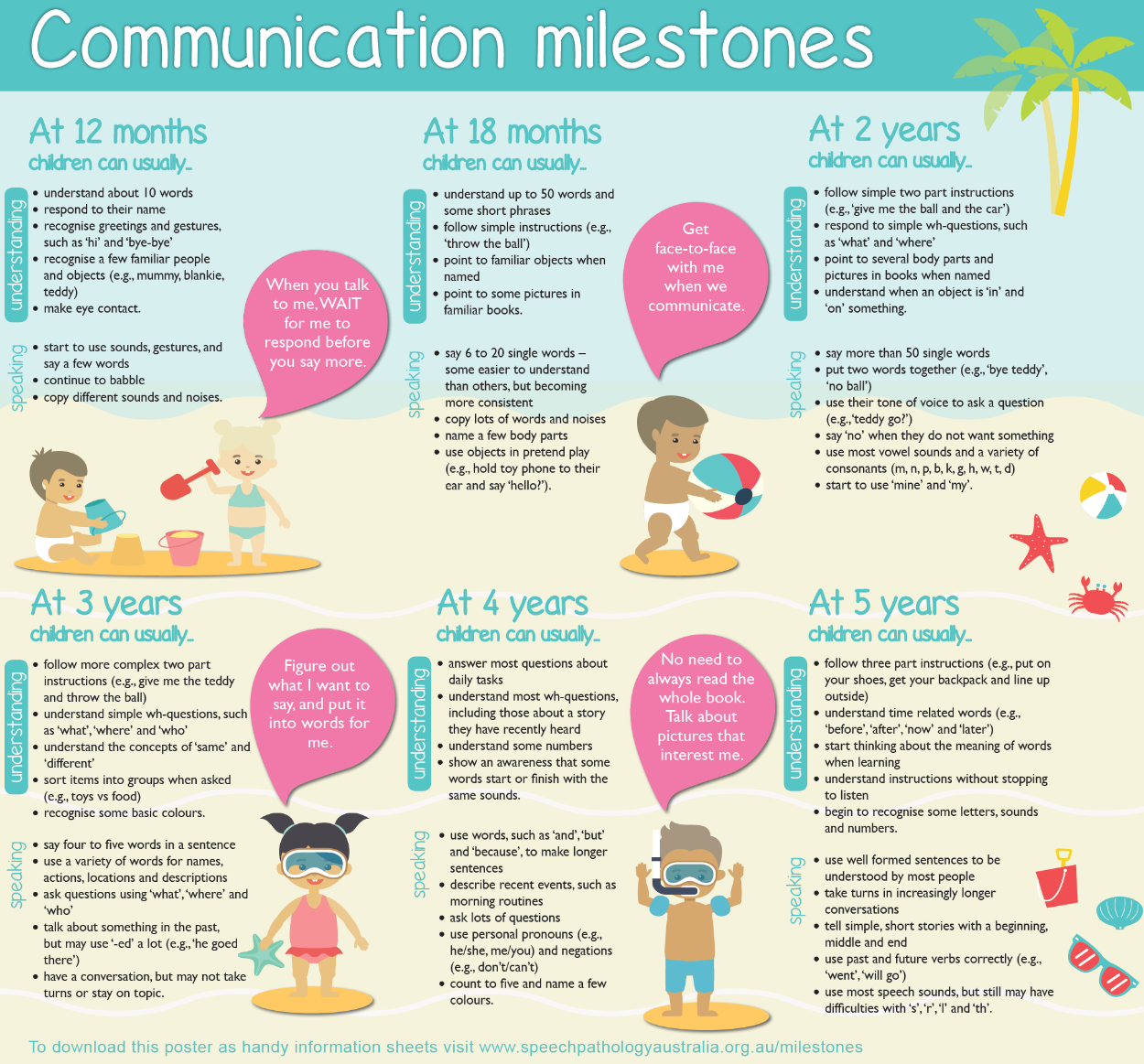
All children develop at their own pace, and that’s okay! Each and every person is unique and will learn things at different times and in different ways, however it is helpful to understand the progression of fundamental communication skills. Milestones are only guidelines, but they’re a helpful tool to help people pick up on when a child isn’t quite at the expected level, which allows early interventions to be put in place if needed.
The infographic below is from Speech Pathology Australia, and is a great resource for understanding typical developmental milestones for children’s communication skills.
Here at Choklits Child Care and Kindergarten, we understand what a critical time period young children are in for the development of communication skills, which is why we weave opportunities for teaching language, both emotional and literal, and positive communication throughout our curriculum every day. Here are some of the ways we promote the development of communication skills in young children at our centre.
Communication is such an important skill for young children to develop, and is especially wonderful to watch the progression as it allows them to express themselves and make more meaningful connections with the people around them. Communication is a very intuitive part of our lives, meaning that we don’t really have to think much about it, so it can be valuable to take the time to intentionally think about how we can promote it for our children. Here are some easy ideas for how you can support the development of your child’s communication skills at home:
Knowing how important the development of communication skills is in young children, you can be assured that here at Choklits Child Care Centre our educators are aware of the level of every child’s communication abilities and they will be assisting each child to further develop their communication skills based on how each individual child best learns and enjoys learning.
From birth, children experience, explore and interact with the world around them using their senses. Discovering the way different things taste, feel, sound, smell and look is instrumental in children’s understanding of the world, and is lots of fun too! Sensory play is favourite among children and educators alike at Choklits Child Care and Kindergarten, so we thought we’d share this blog about the importance of sensory play along with some simple activities you can try out at home provided at the end.
While we often associate strong sensory reactions with children, it’s worth looking at how adults experience life with their senses too. Think about your favourite memories; you might be surprised by the strong link they have with one or more senses. For example, the sound of the ocean might trigger a memory of a family beach trip, you might remember your high school formal every time you hear a specific song or be reminded of a cherished childhood friendship by the smell of bubble gum or a campfire.
Research has also shown that both children and adults learn best when multiple senses are engaged, for example, listening to something being said out loud, looking at a diagram and writing it down, so our senses are really important!
Sensory play is any activity that stimulates and engages the senses. This includes the five main senses of sight, smell, touch, taste and sound, as well as the less frequently discussed senses, balance and proprioception (or spatial awareness). Babies are born without fully developed senses; they mature over time as the child learns and grows. As children explore the world around them, new sensory experiences create nerve connections, building new pathways in their brain.
For the majority of adults, sight is the sense we are most reliant on. Sight is the stimulation of light receptors in the eyes, which our brain interprets into images.
Smell is experienced through the stimulation of nerve endings in our nose which then transmit the message to the brain. Fun Fact: humans have over 400 smelling receptors!
Touch is thought to be the first sense that humans develop, and is the stimulation of receptors in the skin that react to temperature, pressure and vibration.
Taste is the stimulation of chemical receptors in the mouth called taste buds, of which adults have been 2,00 and 4,000. Taste is usually broken down into five flavour categories; sweet, salty, sour, bitter and umami.
We experience sound through the workings of our ear canal. When something makes a noise, the sound waves travel through the air to our ears, causing our eardrum to vibrate and triggering sensory nerves to send a message to the brain about what we are hearing.
Like hearing, balance is also controlled by our ears, specifically the vestibular system in the inner ear, where neuron sensors provide the brain with information about where our body is in relation to the ground from gravity.
Proprioception is the ability to know where your body is in space, hence why it is also often referred to as spatial awareness. It’s how you can touch your nose, even with your eyes closed, or walk down a flight of stairs without needing to look at your feet. Proprioception works through the feedback our brains receive from receptors in our muscles and joints.
Sensory play is crucial for cognitive development. As we mentioned briefly above, every new experience a child has facilitates new nerve connections, reinforcing existing networks and building new pathways in the brain. It aids the development of gross motor and fine motor skills and can help to calm anxious or ‘heightened’ children.
Sensory play allows children to gain a more comprehensive understanding of the world around them, and is excellent for teaching them the names of sensory attributes, for example, rough/ smooth, hot/ cold, wet/ dry and dark/ light, which also builds knowledge and understanding of opposites.
Memory is another essential skill that sensory play helps to progress, as well as encouraging language development. Sensory play also teaches children preliminary problem solving skills and aids their ability to focus as it helps them them to filter the sensory input their brains receive from the world around them.
Lastly, sensory play is really fun for kids! It allows them to explore their curiosity and creativity in a way that provides immediate feedback, which is often very gratifying. We also often associate sensory play with activities where kids ‘get messy’ like painting or slime, which allows them to engage in uninhibited play and gives them permission to let go. Additionally, these activities are really exciting because they are different from the everyday things kids do!
Read on for two super simple and fun sensory play activities for kids.
Grab yourself two reasonably sized bowls or large containers, fill one about three quarters of the way with water and place the empty vessel next to it. You can add any items to the water, but here are a few of our favourite suggestions:
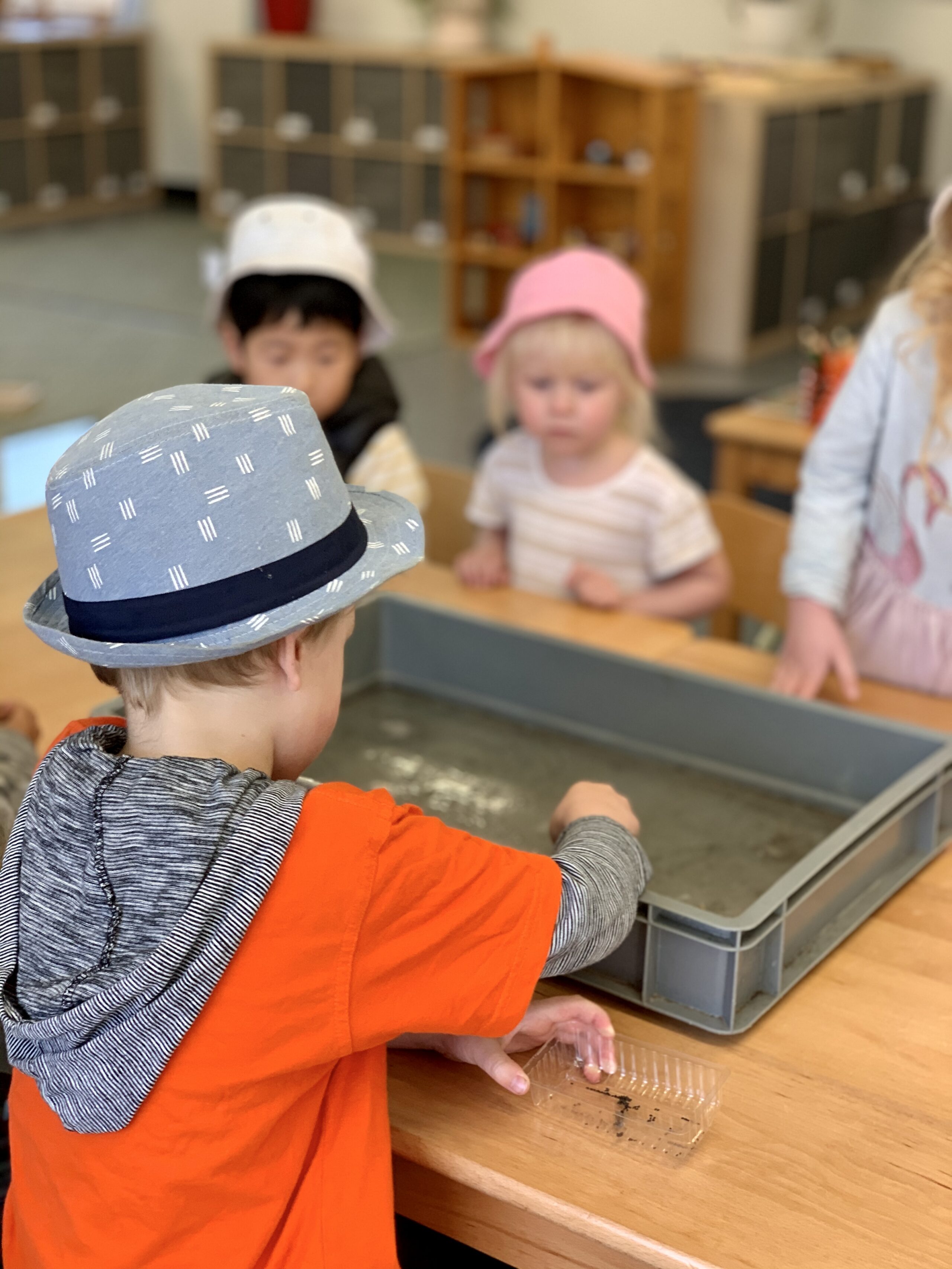
Collect a variety of items made of different materials and encourage your child to tap and bang on them with their hands or an object like a carboard tube or wooden spoon. This may not so easy on a parent’s nerves, because it does get loud, but its loads of fun for kids! Here are some items to explore:
Resilience is a word we often hear within the context of early learning, education, raising children, and life in general, and for good reason. Being resilient is really important for everyone, regardless of age, as it helps us to be happier, healthier and less stressed people, which is always a positive thing!
In the most basic terms, resilience refers to one’s capacity to cope with and recover from difficulties they encounter. For children, resilience can be interpreted as their ability to bounce back from the obstacles or challenges they come across and generally manage the ups and downs of life.
During childhood, common challenges faced might include moving house, starting kindy, going to a new school or dealing with the death of a loved one, and resilience is an incredibly helpful tool for children to have in their skill set for coping with adversity.
Resilience is not a skill that children either have or do not have; rather it exists on a continuum and is developed through a variety of processes that involve individual and environmental factors. It is crucial to remember that resilience is the ability to deal with adverse experiences, not freedom from negative emotions, and it is something that can be learnt by every person.
Resilience is an essential life skill, and it is really important for the support it provides to our mental health. For children, having greater resilience is a key factor in their ability to manage the stress triggered by difficult events and hence reduce their chances of developing mental health conditions like anxiety.
Being resilient helps equip children to deal with adversity and overcome the obstacles they will inevitably face, and develops a foundation of healthy coping strategies that will enable them to handle future hardships later on in life.
As is often the case with abstract concepts like resilience, it is usually relatively easy to define them but can be difficult to understand where they come from and how to develop them. A person’s resilience is shaped by a number of factors to do with both nature and nurture.
Resilience is influenced by a person’s nature or the individual characteristics they are born with, including their genetics and temperment, and also the environment they were raised in, which encompasses their culture, parents, family, community and experiences.
The diagram below is from Beyond Blue and represents the interaction between the factors that influence a child’s experiences of and reactions to adversity.
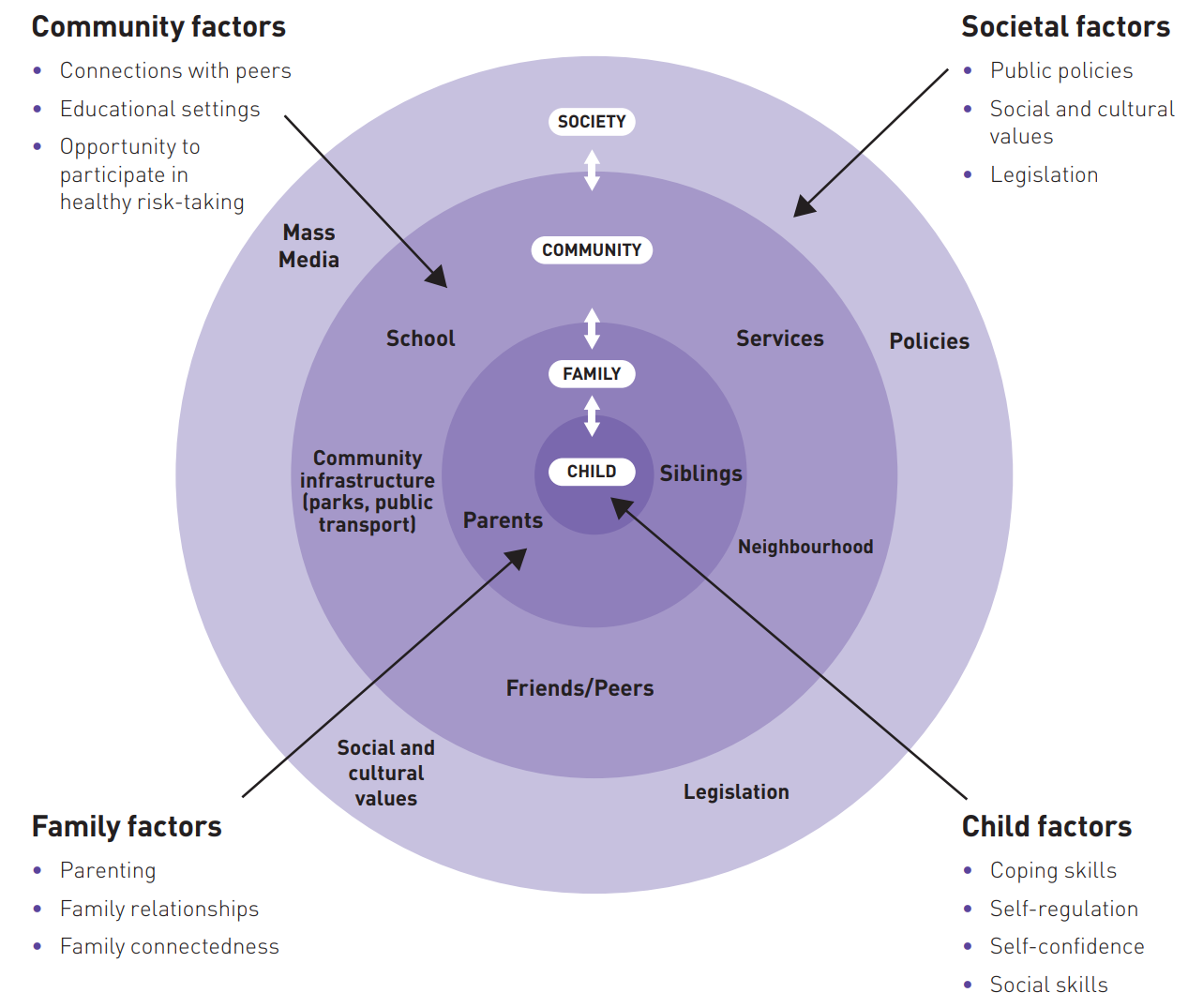
A helpful analogy for resilience is that of a boat. Imagine a boat sailing on the sea that encounters a storm. The storm is a representation of life’s challenges, and the boat represents an individual’s capacity to handle this adversity. It is easy to understand that different types of boats will respond differently to the same storm, and that some are better equipped to deal with it than others; the same goes for the way different children that encounter the same difficult situation will respond.
The boat’s capacity to withstand the storm depends on a multitude of factors, including:
Evidently, all of these factors play an important role in helping the boat to endure the storm, and one alone will not ensure that it makes it through.
Fortunately, it is never to early or too late to start building your child’s resilience, and there are numerous things you can do as a parent, carer or other significant person in a child’s life to help them develop resilience.
The key to building resilience in your child’s early years lies in five key areas;
Positive, high-quality relationships are incredibly valuable to building resilience in your child’s early years. Here are a few ways you can promote this:
Autonomy and responsibility are fundamental in building resilience in children. Below are some suggestions for promoting independence in your child:
Emotional coping skills support children’s resilience as they aid them in recognising and responding to emotions in a healthy way. How to support your child’s emotional coping skills:
Letting children take healthy risks and navigate challenging situations is really important for building their self-confidence, which is instrumental in raising a resilient child. Here are a couple of ideas for building confidence through challenge:
On the whole, resilience is a crucial asset for children to develop, as it will help them navigate the obstacles they are faced with now and provide a strong foundation to support them growing into healthy, happy individuals in the future.
Creating a strong support network, both in the home and the community, is vital for your child’s development of self-confidence, independence and emotional coping skills, and we aim to foster this everyday at Choklits Child Care through the positive relationships children develop here with their educators and their peers. We hope you enjoyed this blog on building resilience in your child’s early years, and learnt something new about the attributes that support its development!